Albany Budget Fight Threatens CUNY Funding for City Campuses
Advocates warn proposed state cuts would disproportionately impact CUNY campuses in New York City, endangering programs for low-income students.
By Kira Sato · January 27, 2026 · 4 min read
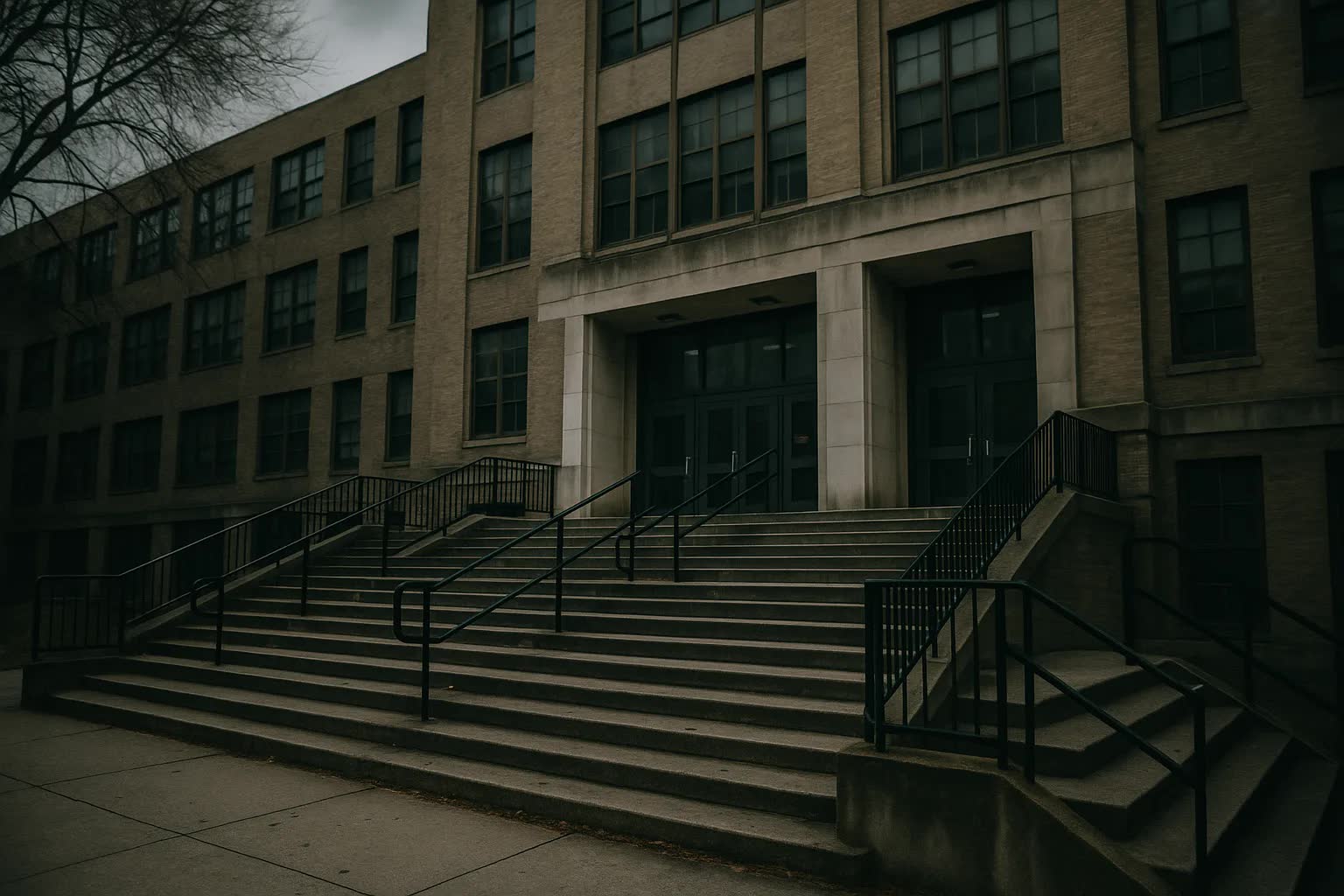
With the spring semester already underway in Morningside Heights and Long Island City, students at City College and LaGuardia Community College are facing the prospect that Albany's budget stalemate could strip millions from programs they rely on, threatening child care, evening classes and workforce training that serve low-income New Yorkers across the five boroughs.
The cuts are the product of a bruising budget fight in Albany, where lawmakers and the governor's office are debating how to close an estimated shortfall without raising taxes; the proposal now circulating would reduce state support for the City University of New York system, a move advocates say would disproportionately harm city campuses in neighborhoods such as Harlem, Astoria, Sunset Park and the Lower East Side.
"We are balancing an array of statewide priorities, but we understand the gravity of rolling back aid to CUNY," said a senior state budget aide who requested anonymity, adding that negotiators are considering phased reductions and targeted relief for high-need programs but declined to offer specifics while talks continue.
CUNY leaders say any significant drop in state operating aid would force painful choices. In a statement, Interim Chancellor Lila Park warned that cuts would imperil programs designed to serve working adults and first-generation college students — the same cohorts who fill community college classrooms in Jackson Heights, the Bronx's South Side and downtown Brooklyn — and could widen the gap between students' needs and the university's capacity to meet them.
Under the current proposal, according to figures circulated to legislative staff, the state would cut roughly $180 million from CUNY's operating budget for the next fiscal year, a reduction of about 6 to 8 percent on top of tuition and fee revenue; system officials estimate that could translate into the elimination of up to 120 certificate and continuing-education programs and affect as many as 25,000 students, including nearly 60 percent who are classified as low-income.
"This isn't abstract budget arithmetic; it's people's lives," said Maya Alvarez, executive director of the CUNY Student Action Network, who lives in the Bronx and is a former community college student. "If funding for child care slots or remedial math disappears, students — particularly single parents from neighborhoods like Red Hook and Mott Haven — will drop out because they literally cannot attend classes."
City officials in Manhattan, Queens and Brooklyn have joined student groups in criticizing the proposed reductions. Councilmember Dante Rios, whose district spans parts of Lower Manhattan and Tribeca and includes segments of the BMCC campus community, called the draft cuts "shortsighted," and said he would press Staten Island and Brooklyn delegation leaders to demand restoration of funds when legislators return to Albany next month.
At the neighborhood level, programs that appear small on a ledger have outsized local impact: LaGuardia's evening ESL classes in Long Island City feed workforce pipelines for restaurants and home health aides in nearby Astoria; the nursing program at Hunter College helps staff clinics on the Upper East Side and in East Harlem; Borough of Manhattan Community College's developmental-education classes are a pathway out of poverty for students from Chinatown and the Lower East Side. Campus food pantries, legal clinics and transportation stipends, officials warn, are vulnerable to cuts too.
CUNY has begun contingency planning: a hiring freeze in some departments, delayed capital projects in Brooklyn Heights and Flatbush, and an inventory of grant-matching requirements that could be scaled back. Labor unions representing adjuncts and service workers have held meetings in Sunset Park and Rego Park and are preparing collective demonstrations in Albany if the cuts survive the legislative process, while community groups in Morningside Heights and Williamsburg are exploring emergency fundraising drives to keep critical student supports afloat.
Lawmakers face a deadline to adopt a final budget by the end of March, and advocates say the coming weeks will determine whether CUNY campuses across the city can maintain basic services that help low-income New Yorkers complete degrees and obtain stable employment; if the current draft survives, administrators warn they may begin notifying certain program directors as early as April, a timing that could accelerate student protests and push delegations from campuses in the Bronx, Queens and Brooklyn to head to the state Capitol to lobby for restoration.