Albany Funding Shift Ties Hudson River PCB Cleanup to Downstate Infrastructure Projects
A budget maneuver redirects restitution money to transportation priorities in NYC, prompting criticism from environmental advocates in the Hudson Valley.
By Dominic Russo · March 31, 2026 · 4 min read
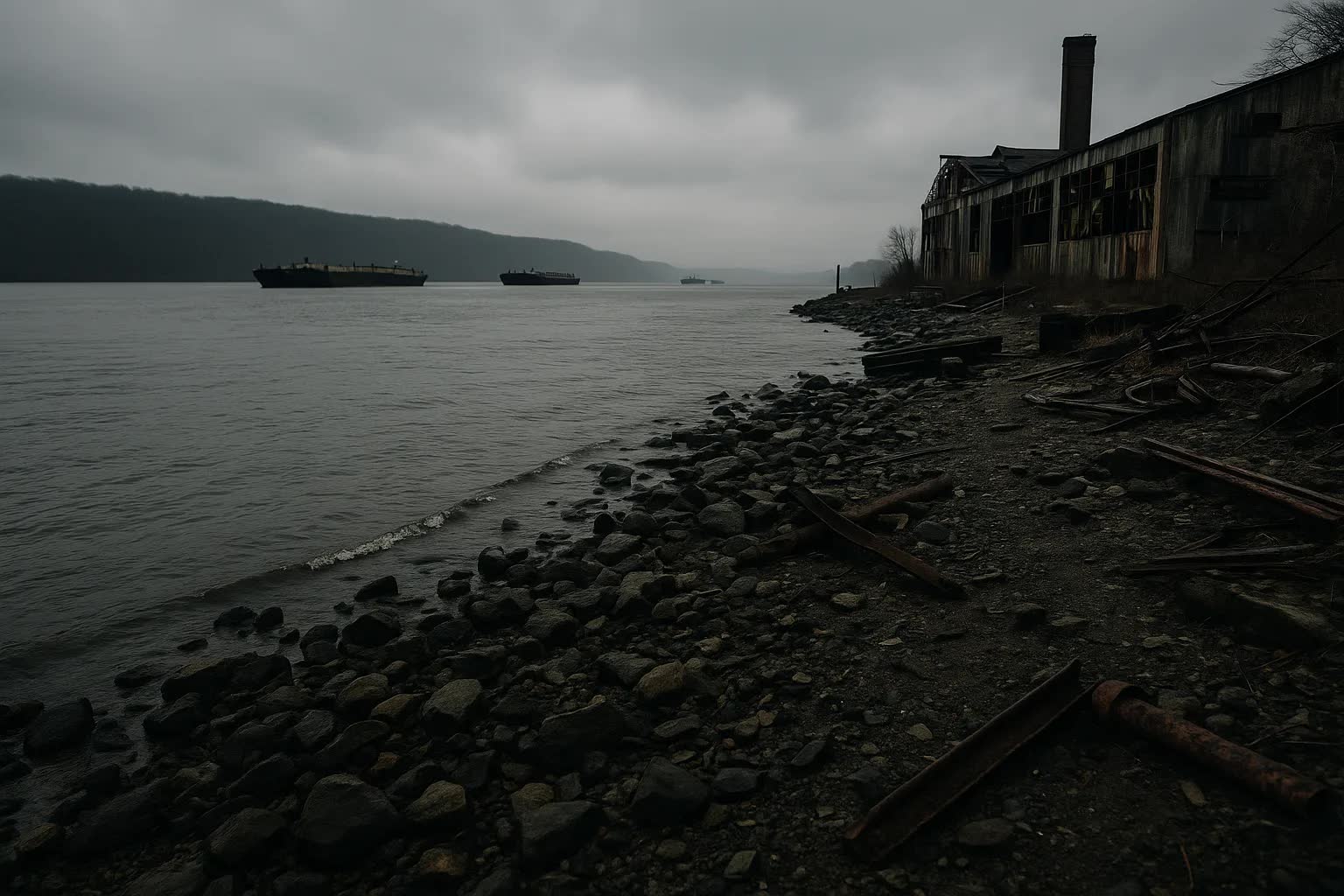
NEW YORK — March 31, 2026 — A controversial budget maneuver in Albany has quietly redirected hundreds of millions in river restitution money toward downstate transportation projects, a shift that promises tangible upgrades for commuters in Midtown and Lower Manhattan even as it threatens to stall long-planned cleanups of toxic PCBs in communities upriver from Beacon and Kingston.
The change, tucked into the final language of the state budget signed last week by Governor Elaine Hartwell, moves a portion of a restitution fund that was established after decades of industrial PCB contamination in the Hudson River. State officials say the money, drawn from a settlement with the defunct chemical firm HarborChem, will be used to shore up subway signal work, bus rapid transit corridors and aging commuter-rail infrastructure across New York City, with particular emphasis on chokepoints at Atlantic Avenue in Brooklyn and the Lex-42 corridor in Manhattan.
Environmental groups in the Hudson Valley reacted with alarm. "Communities that have borne the brunt of PCB contamination for generations are being shortchanged to fund projects miles away," said Marisol Vega, executive director of Hudson River Guardians, from a meeting room in Beacon. "This is not just a budget move; it's a moral choice about who gets protection and who gets progress."
"From a transit standpoint, the infusion is a lifeline," said a senior MTA planner who requested anonymity because the details are still being finalized. "We're talking about replacing century-old interlockings under the East River, modernizing signal systems between Times Square and Grand Central, and accelerating safety work at Atlantic Terminal. That will shave minutes off commutes for hundreds of thousands of riders every day."
The fiscal math in Albany's retooling is stark. Of a roughly $500 million restitution pool originally earmarked for Hudson River remediation, the budget reallocates $320 million for downstate transportation work, leaving $180 million for ongoing cleanup activities. State officials have proposed $160 million for signal and interlocking upgrades in Manhattan and Brooklyn, $100 million for bus rapid transit and dedicated lane construction in Queens and the Bronx, and $60 million toward resiliency improvements for Staten Island ferry terminals. The state estimates the PCB cleanup now faces a shortfall that could extend remediation timelines by five to seven years and raise projected costs from an estimated $1 billion to as much as $1.4 billion.
Local elected officials in the Hudson Valley said they were blindsided. "Kingston and Newburgh have been waiting for shoreline restoration and dredging that would reduce contaminant loads for fishermen and waterfront neighborhoods," said James Ortiz, president of the Ulster County Legislature. "We were promised these funds would accelerate cleanup, not be repurposed for projects in Manhattan. That's a betrayal of trust for communities that sustained the health burden of industrial pollution."
State budget officials pushed back, saying the decision reflects broader statewide needs. "This allocation balances environmental priorities with urgent transportation safety issues affecting nearly two million daily riders who rely on our transit system," said Caleb Monroe, acting state budget director, in a statement from Albany. "We have also committed to seeking additional federal remediation dollars to ensure the Hudson River cleanup proceeds without undue delay."
Scientists and public health advocates warn that the timing could be dangerous. "PCBs bind to sediment and bioaccumulate in fish; delays in dredging and capping can perpetuate exposure for both subsistence fishers and children who paddle along the shoreline," said Dr. Renee Sato, an aquatic toxicologist at the Hudson River Institute in Poughkeepsie. "Extending the timeline by even a few years increases the cumulative risk across every community that depends on the river for recreation and livelihood."
The political fallout is already mounting. Hudson Valley activists have scheduled protests and town-hall forums in Poughkeepsie and Beacon, and at least two county legislatures have authorized a legal review of the budget language. Downstate transit advocates and several community boards in neighborhoods from the East Village to Crown Heights, meanwhile, are celebrating promised fixes to aging infrastructure that riders have long complained about. The tug-of-war has turned into a regional fight over whether investment should prioritize environmental remediation in small river towns or transit reliability for dense urban corridors.
Lawmakers on both sides of the debate say the fight is likely to continue into the spring session. Several upstate and Hudson Valley legislators told colleagues they will file amendments to restore the original restitution allocation, while downstate members insist the transfers are necessary to prevent system failures that could imperil commuters and commerce. With the MTA planning cycles and federal grant deadlines looming, Albany faces competing timetables; in the coming weeks, hearings, potential court challenges and renewed negotiations in budget committees will determine whether the redirected funds remain or are reallocated again, and what that will mean for both New York City's trains and the Hudson's long-delayed cleanup.