Albany Lawmakers Advance Rent-Stabilization Overhaul in Rare Summer Session
A package tightening rules on major-capital-improvement rent hikes cleared a key committee, setting up a fall floor fight with landlord groups.
By Dana Okafor · July 11, 2026 · 5 min read
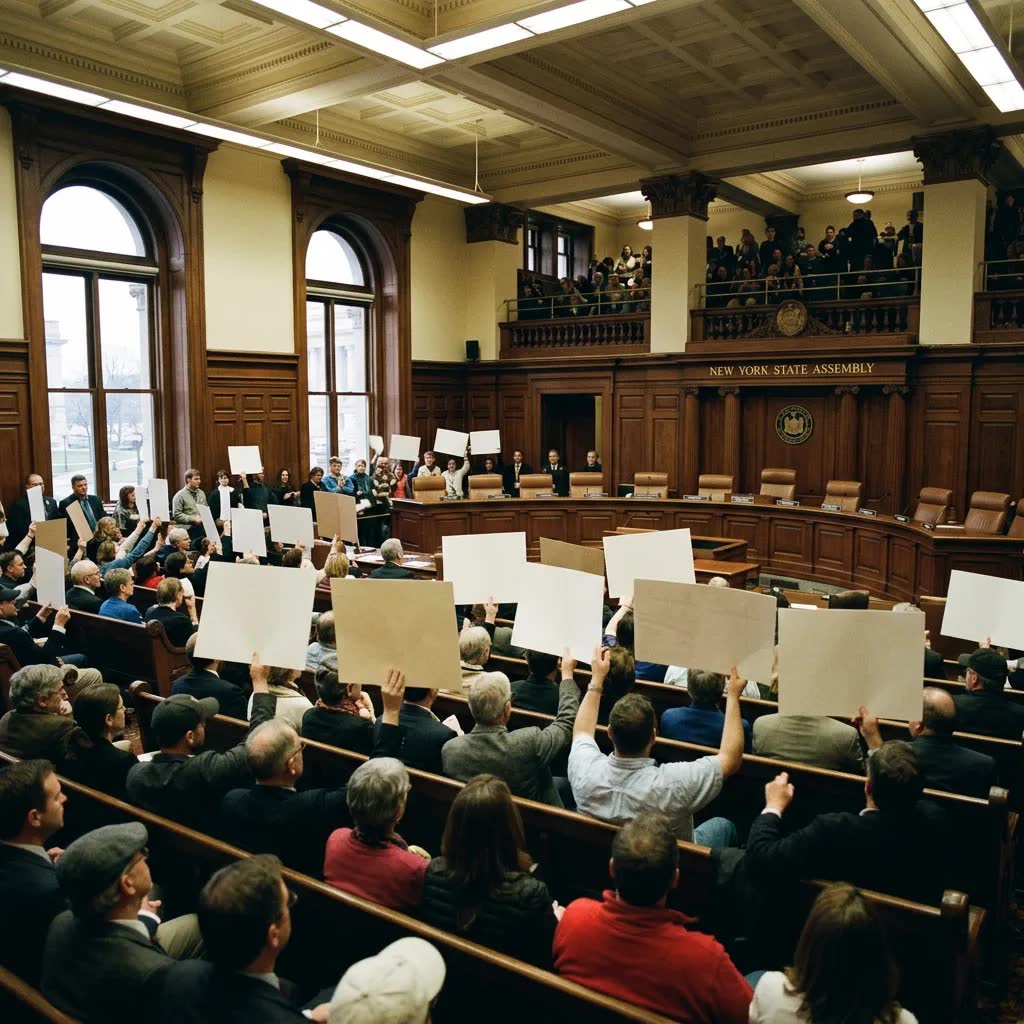
ALBANY — A legislative package that would sharply limit how much landlords can raise rents to recoup building-wide improvements cleared a key State Senate committee on Friday, an unusual midsummer maneuver that supporters said reflected the urgency of the state's affordability debate. The measure would cap the portion of major-capital-improvement costs that owners can pass on to rent-stabilized tenants and would extend the repayment period for such increases, moves that housing advocates estimate could shield hundreds of thousands of regulated apartments from steep hikes.
The bill's sponsor, a senator from Upper Manhattan, said the current rules allow landlords to convert routine maintenance into permanent rent increases that outlast the improvements themselves. "A new boiler should not mean a rent that keeps climbing for twenty years," she said during the committee hearing, which stretched past three hours. Tenant organizers packed the room, holding signs and testifying about buildings where cumulative improvement charges had pushed monthly rents beyond what longtime residents could afford.
Landlord and real estate groups mounted a forceful opposition, warning that the changes would discourage owners from investing in aging housing stock and could accelerate the deterioration of buildings across the state. A representative of a property-owners association testified that many small landlords already defer critical repairs because the current cost-recovery formula does not keep pace with construction inflation, and he predicted the bill would "turn deferred maintenance into permanent decay."
The committee vote broke largely along party lines, with the majority advancing the measure over the objections of several members who said the legislation had moved too quickly for adequate review. A handful of lawmakers from suburban districts expressed unease, noting that the rules would apply unevenly across regions with different housing markets and asking for amendments to protect owner-occupied multifamily homes. Leadership signaled openness to narrow changes but insisted the core provisions would remain intact.
Governor Hochul has not taken a public position on the specific package, and her office declined to say whether she would sign it should it reach her desk. In a brief statement, a spokesperson said the governor "shares the goal of keeping New Yorkers in their homes" while wanting to "ensure the state does not choke off the very investment that keeps those homes livable." That careful phrasing left advocates on both sides claiming grounds for optimism.
The bill now heads toward a full floor vote expected after lawmakers reconvene in the fall, when the housing fight is likely to intersect with a broader debate over property taxes and construction incentives. Political analysts said the summer committee action was designed partly to build momentum and partly to force legislators on record ahead of next year's elections. "This is as much about the fall as it is about the boiler," one Albany observer noted, "and everyone in that room knew it."