Hochul Signs Bill Toughening Enforcement of Rent-Stabilization Rules
The new state law raises penalties for landlords who illegally deregulate apartments and creates a tenant-tip hotline, drawing cheers from housing advocates and pushback from property owners.
By Dana Okafor · July 20, 2026 · 5 min read
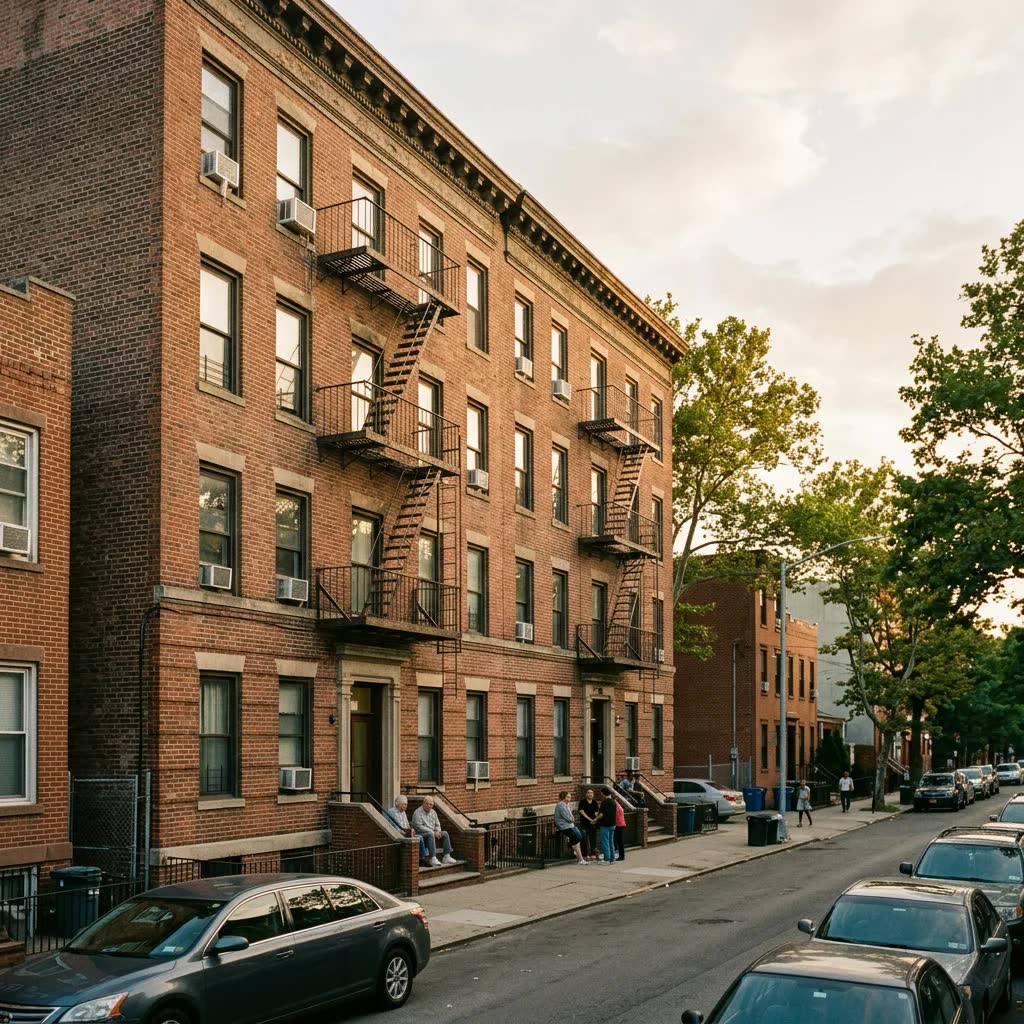
ALBANY — Governor Kathy Hochul signed legislation Monday that sharply increases penalties for landlords found to have illegally removed apartments from New York's rent-stabilization system, capping a session-long fight between tenant coalitions and property-owner groups. The law triples the maximum fine for improper deregulation and creates a state-run tip line through which tenants can report suspected violations without identifying themselves to their landlord.
The measure comes amid persistent complaints that some owners inflated renovation costs to justify rent increases or quietly reclassified regulated units as market-rate. Under the new law, landlords found in violation must return affected units to stabilized status and repay tenants for overcharges going back up to six years, plus interest. A newly funded enforcement unit within the state housing agency will investigate patterns of complaints across large portfolios.
"For years the rules were on the books and the enforcement was on vacation," Hochul said at the signing in Albany. "This bill puts teeth behind protections that hundreds of thousands of New Yorkers depend on to stay in their homes." She was joined by legislative sponsors and tenant organizers who had rallied at the Capitol through the spring, several of whom said they had personally battled improper rent hikes.
Property-owner associations warned that the law would chill investment in aging housing stock, arguing that owners already struggle with rising insurance, tax, and repair costs. "You cannot fine your way to more housing," the head of one landlord group said, contending that the threat of steep penalties would discourage renovations that keep old buildings livable. Some real-estate analysts predicted the measure could push marginal owners to sell rather than reinvest.
Housing advocates countered that the vast majority of responsible owners had nothing to fear, and that the law targeted only deliberate abuse. They pointed to state data suggesting tens of thousands of apartments may have been improperly removed from regulation over the past two decades. "This is about the tenants who did everything right and still got squeezed out," a legal-aid attorney said, adding that the anonymous tip line could surface violations that had gone unreported for years.
The enforcement unit is expected to begin taking complaints in the fall, and the housing agency said it would publish annual reports on the number of units restored to stabilized status. For tenants like a longtime Washington Heights resident who spoke at the signing, the practical stakes were straightforward. "I just want to grow old in the apartment I've lived in for thirty years," she said. "This law makes that a little more possible."