Transit Capital Plan Sparks Albany Fight Over Signal Upgrades and Debt
Lawmakers and the transit authority are at odds over how to finance a multiyear plan to modernize aging subway signals blamed for chronic delays.
By Marcus Bell · July 24, 2026 · 5 min read
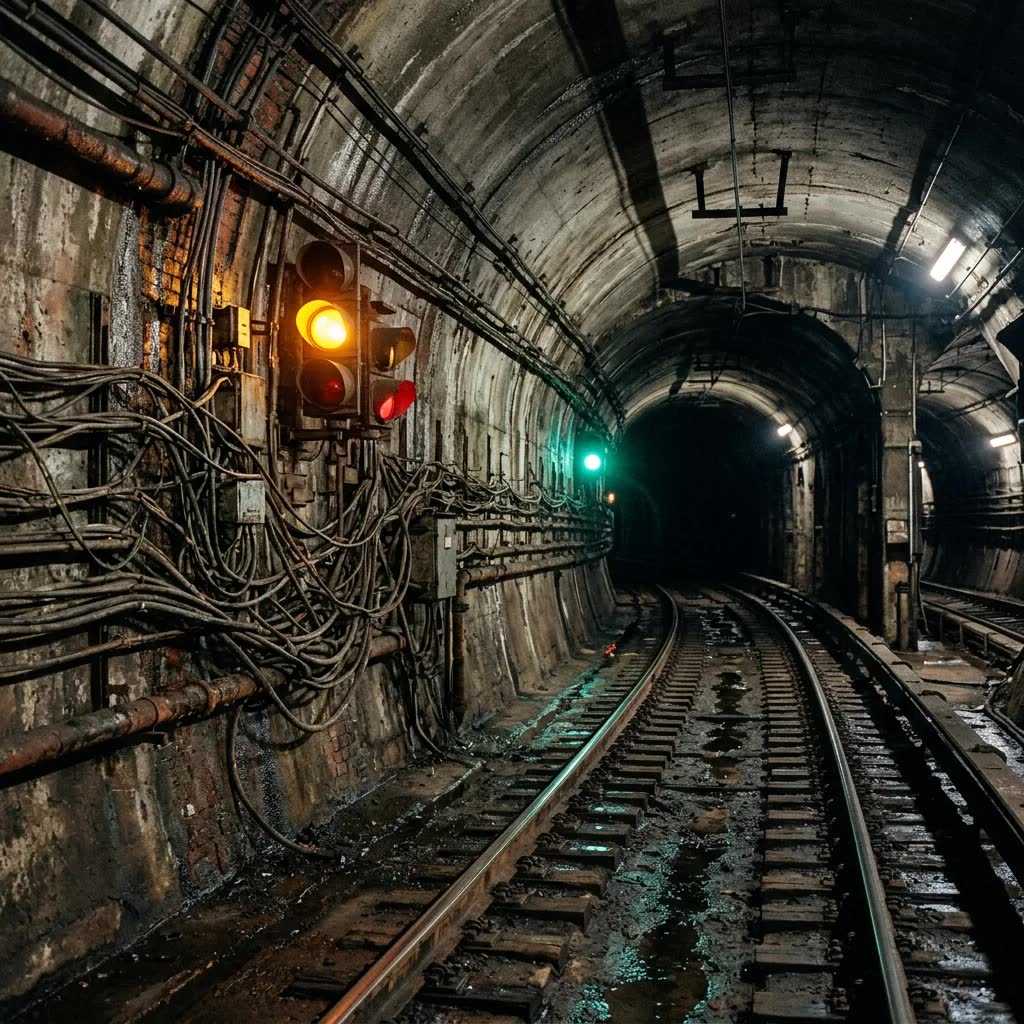
ALBANY — A multiyear plan to overhaul the subway's aging signal system, long blamed for the delays that snarl millions of commutes, has become the center of a financing dispute between state lawmakers and the transit authority. The authority says modernizing signals on several of the busiest lines is essential to running more frequent, reliable service, but the price tag has reignited a familiar argument over how much of the cost should be covered by borrowing versus direct state support.
Transit officials told a legislative panel that outdated signal technology on some lines dates back generations and cannot safely accommodate the tighter train spacing that modern equipment allows. Upgrading it, they argued, would do more to improve reliability than almost any other single investment. "You cannot run a twenty-first-century railroad on switches from another era," one official told lawmakers, describing frequent failures that cascade into systemwide delays.
The dispute centers less on whether to fund the upgrades than on how. Some legislators warned that leaning heavily on borrowing would saddle the authority with debt payments that could crowd out future operating budgets and eventually pressure fares. Others countered that delaying the work would prove even costlier as failure-prone equipment continues to degrade, and they pressed for a larger direct state contribution to reduce reliance on bonds.
Governor Hochul's office signaled support for the modernization goal while urging fiscal restraint, with a spokesperson saying the governor wanted "an ambitious plan that does not mortgage the system's future." Riders' advocates, meanwhile, expressed frustration at the pace of debate, noting that signal projects already underway have taken years and that commuters continue to bear the cost of delays in the meantime.
Business groups from across the region weighed in as well, arguing that unreliable transit undermines the city's economy by lengthening commutes and discouraging in-person work and tourism. They urged Albany to treat the signal upgrades as economic infrastructure rather than a discretionary expense. Labor unions representing transit workers echoed the call, tying the investment to job creation and worker safety.
Legislative leaders said they hoped to reach a framework before the next budget cycle, but acknowledged that the borrowing question remained unresolved. "Everyone agrees the signals need fixing," one lawmaker said. "The fight is over who holds the checkbook and for how long." The transit authority said it would present a detailed sequencing plan to show which lines would be upgraded first.