Artists Reclaim Long Island Lighthouses as Studio Residencies
Disused coastal beacons are being renovated for short-term artist housing and site-specific programming that engages shoreline communities.
By Sofia Martell · April 15, 2026 · 5 min read
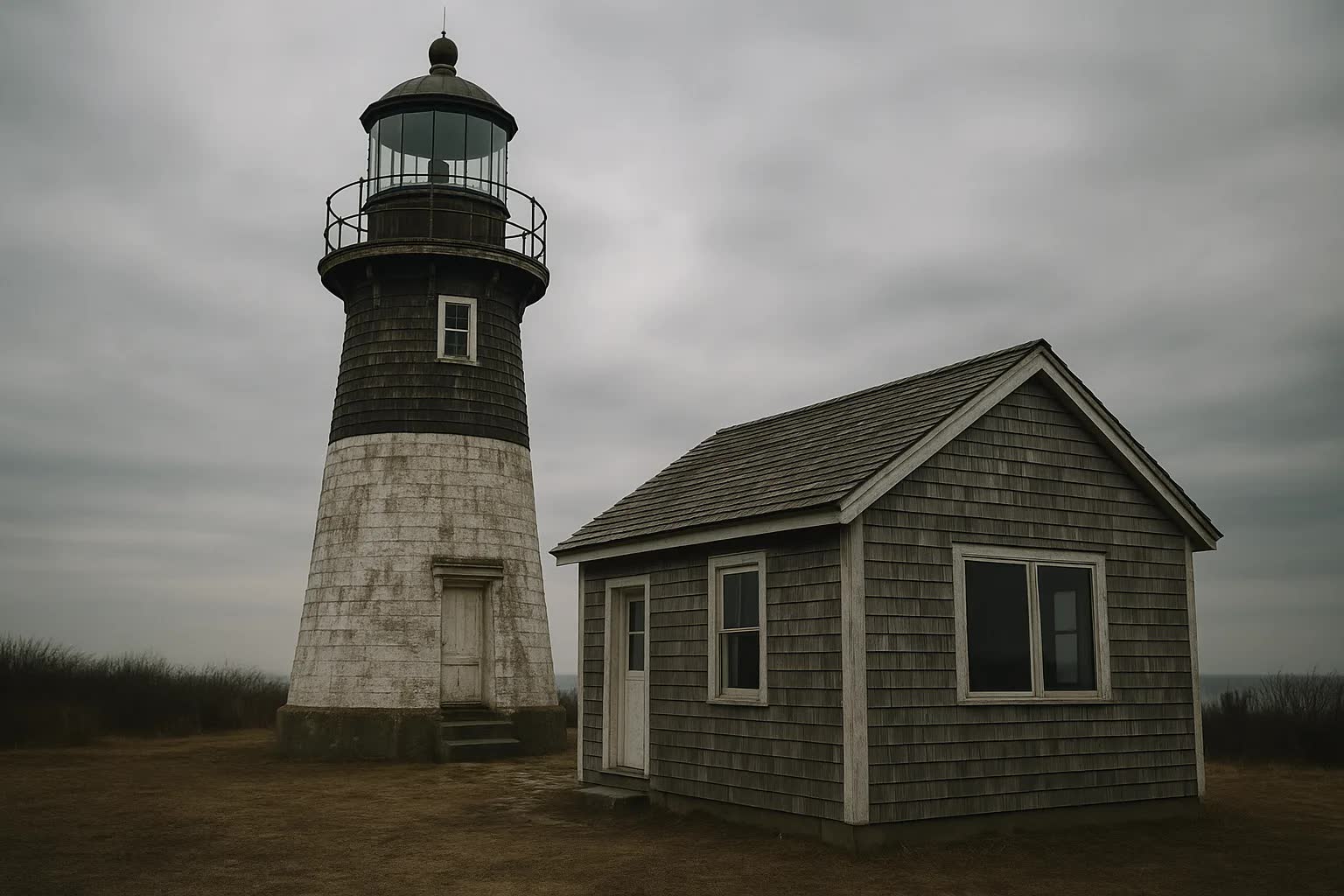
NEW YORK — Artists from Red Hook to the Lower East Side are trading subway commutes for tide charts as a growing number of disused Long Island lighthouses are being renovated into short-term studio residences and community programming hubs that its backers say will reconnect shoreline communities with the coast’s cultural life. The movement, which has placed working artists inside keeper’s cottages and atop bluffs accessible by ferry from Manhattan’s South Street Seaport and private docks in DUMBO, emphasizes temporary housing, site-specific commissions and public events rather than permanent conversions or tourist accommodations. Advocates say the residencies aim to preserve maritime heritage while expanding cultural access for communities that have long been sidelined by seasonal tourism.
The idea of artist residencies in coastal beacons is not entirely new, but it has accelerated since Superstorm Sandy and a recent wave of federal and state surplus-property programs made maintenance agreements more feasible. For decades many of Long Island’s smaller lights were automated and left with little day-to-day oversight; some fell into disrepair, others were fenced off as safety hazards. Nonprofit groups, private donors and municipal officials tell similar stories: a collapsed kitchen roof here, an eroded path there, and a community eager to find a use that balances preservation with public benefit.
Renovation projects vary by site, but most follow a common template: restore the keeper’s quarters into a small live-work suite, build a modest studio with climate control, repair or replicate historical masonry, and install off-grid systems like solar arrays and rainwater collection. At the recently reopened Beacon Harbor Light on the North Shore, crews used historically sensitive methods on the lantern room while adding a concealed composting toilet and a satellite link for emergency communications. The emphasis, program directors say, is on lightweight interventions that keep the character of the tower intact and leave the landscape unpaved.
"We’re trying to keep these as working beacons, not boutique hotels," said Mara Leone, executive director of Shoreline Preservation Trust, which has been involved in six restorations along the eastern corridor. "The goal is to create residencies that are useful to artists and local residents alike — places where an artist can respond to the shoreline and where the community can come for workshops and seasonal festivals." Leone said agreements require public programming and discounted slots for local artists drawn from neighboring hamlets and Queens waterfront neighborhoods.
For many artists, the residencies offer a rare combination of isolation and connection. "There’s a particular light here that doesn’t exist in Manhattan or even in Rockaway; it reshapes how I work," said Jonah Kim, a painter who spent six weeks this winter at the Cedar Point Keeper’s Quarters, a converted light accessible by a 40-minute ferry from Midtown. "The lack of constant Wi-Fi is actually a gift — it forces you to look up, to listen to the tide, and to develop work that is site-specific." Kim has exhibited a series of small seascape panels in a pop-up at a storefront gallery on Smith Street in Carroll Gardens.
The scale of the effort can be measured in concrete terms. As of April 2026, local coalitions had identified 27 Long Island light stations suitable for adaptive reuse; 12 have active residency programs or are under construction. Funding for those 12 projects totals about $4.2 million, a mix of state historic-preservation grants, private philanthropy and municipal matching funds. Typical residencies run from two to eight weeks, with an average cohort size of three artists per site; the programs combined expect to host roughly 160 artists this year and to present more than 50 public events, from school workshops to shoreline concerts.
Not every town has welcomed the idea with open arms. In parts of Nassau County and on the South Shore, local residents and business owners have voiced concerns over increased foot traffic, parking shortages, and the specter of cultural displacement that sometimes accompanies arts-driven revitalization. "We support preservation, but we need guarantees that our fishermen and longtime residents won’t be priced out or inconvenienced," said Abigail Ruiz, chair of the East Hempstead Waterfront Community Board. Her board successfully negotiated an agreement stipulating that at least 30 percent of residency slots and all public programming be reserved for local participants and that shuttle services be provided from the nearest commuter lot.
Program directors have sought institutional partnerships to deepen local ties and expand educational offerings. Several residencies now operate jointly with area colleges and cultural institutions — Pratt Institute runs a summer exchange that places grad students on Firebreak Light for studio seminars; a newly formed partnership with Stony Brook University provides coastal ecology workshops and monitoring equipment that resident artists can incorporate into commissions. Local tradespeople from Far Rockaway and Freeport have been hired for masonry and carpentry work, bringing another layer of economic benefit to shoreline neighborhoods.
Beyond arts programming, the lighthouses are becoming informal platforms for climate science and shoreline stewardship. Residencies often include artist-scientist collaborations in which residents collect erosion data, photograph bird migrations, or develop installations that visualize sea-level rise for visiting school groups. "These sites are living laboratories," said Dr. Elena Park, a coastal ecologist and residency advisor. "Artists translate data into forms that resonate with the public — sculptures, participatory walks, sound works — and that can change how communities perceive risk and resilience." Some grantors have begun to favor projects that pair cultural outcomes with measurable environmental monitoring.
Organizers acknowledge the work is ongoing and that governance will determine long-term impact. Most programs rely on rolling stewardship agreements that require annual reporting on community access, maintenance, and environmental obligations. Critics say that without sustained public funding and strong oversight, the projects could drift toward private programming. Supporters point to early indicators — rising school participation rates from neighborhoods like Coney Island and Harlem, and the emergence of satellite exhibitions in DUMBO and downtown Manhattan — as reasons to be cautiously optimistic. Planners are now drafting a regional blueprint intended to institutionalize best practices and to extend residency models to another eight lights over the next five years, with an eye toward stronger climate adaptations, paid stipends for local artists and formal apprenticeship pathways for shoreline tradespeople.