At The Met, Chinese Artifacts Become a Living Cross-Cultural Conversation
A new installation at The Metropolitan Museum of Art places more than 100 works in porcelain, jade, metalwork, and silk in dialogue across a thousand years — asking what everyday objects reveal about Chinese society, and what it means to encounter them in New York.
By Iris Ye · July 30, 2026 · 6 min read
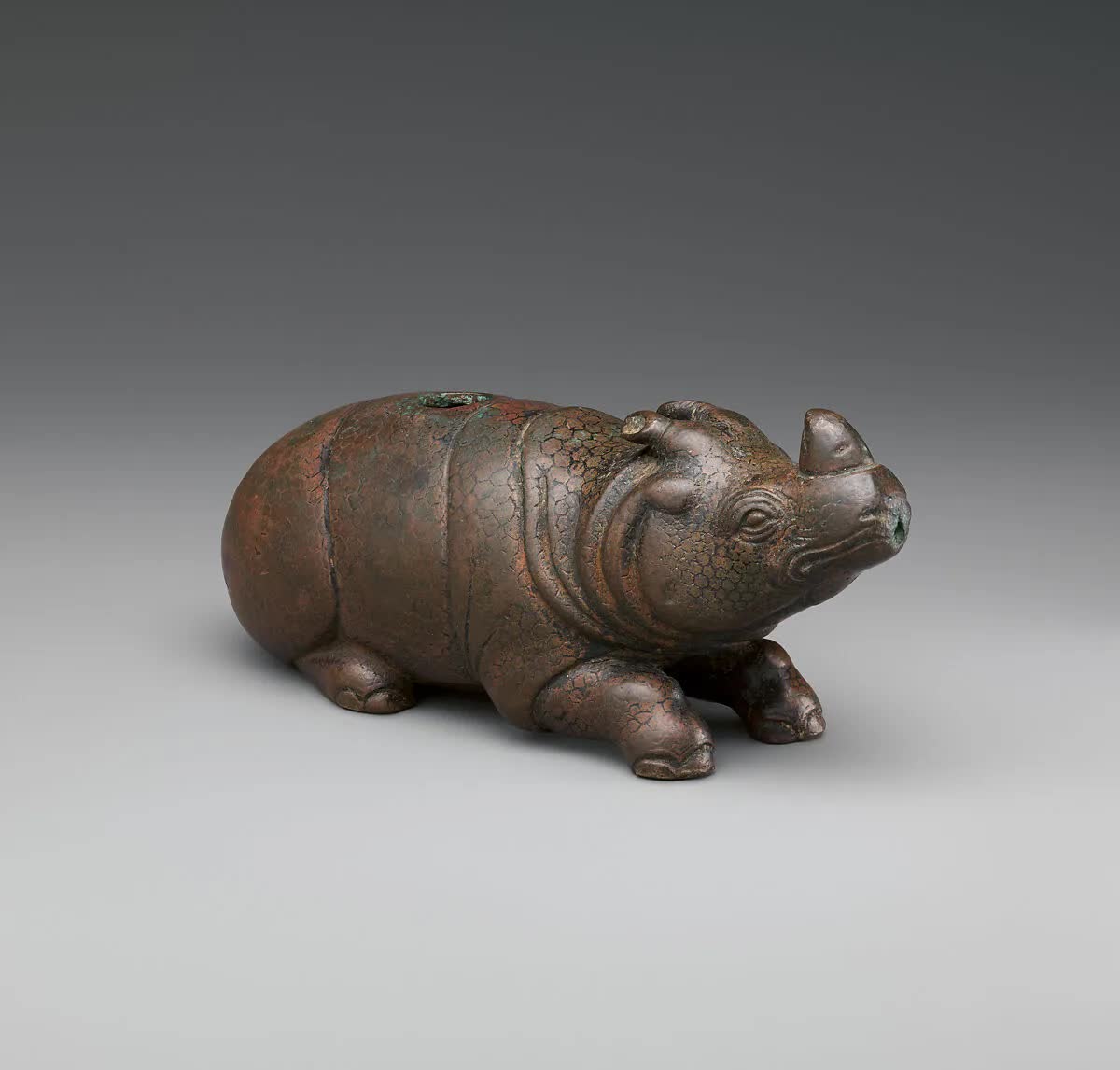
NEW YORK — A bronze water dropper shaped like a rhinoceros, a piece of carved jade and a porcelain vessel may appear to be silent remnants of another time. At The Metropolitan Museum of Art, however, such objects are being presented as entry points into the social values, everyday lives and cultural exchanges that shaped China over the past millennium.
“Decorative Arts in China, 1000 to the Present,” which opened at The Met Fifth Avenue on July 25, brings together more than 100 works in porcelain, metalwork, lacquer, jade, bamboo, silk and other materials. Drawn mainly from the museum’s collection, the objects range from elaborate royal commissions to restrained works made for domestic consumers or overseas markets.
Rather than organizing the display primarily by material or historical period, the exhibition places different forms of art in conversation with one another. Its approach examines changing tastes among different social groups while emphasizing both the technical skill of Chinese artisans and the broader cultural traditions behind their work.
That framework also challenges the limits of the term “decorative arts.” In many Chinese historical contexts, objects now placed under that label were not created simply to ornament a room. They could serve practical, ceremonial and social purposes while conveying ideas about status, personal character, religious belief or good fortune.
For viewers unfamiliar with those traditions, understanding an object’s original use can change the act of looking. The form of a vessel may carry an auspicious meaning. The physical qualities of jade may evoke moral ideals. An object produced for export may reveal how Chinese craftspeople responded to foreign markets and adapted their designs to different cultural expectations.
By restoring such context, museums can transform artifacts from visually appealing objects into records of how people lived, worked and understood the world. Their role is therefore not limited to preserving the material past. Museums can also reconnect objects with the human experiences and systems of meaning that once surrounded them.
A neighboring exhibition, “A Lasting Legacy: Chinese Jades from New York Collections,” extends that conversation into the history of American collecting. Featuring 50 objects from The Met’s collection displayed alongside pieces associated with pioneering collector Heber R. Bishop, the exhibition traces the growing American interest in Chinese jade during the 20th century.
Jade has been valued in China for thousands of years not only for its beauty, but also for the human qualities associated with the material. Its gentle color has been connected with benevolence, its soft luster with humility, and its durability with integrity. Yet those meanings were not necessarily apparent to early American collectors encountering the works outside their original cultural environment.
The exhibition shows that the American understanding of Chinese jade has continued to develop as collectors, scholars and museums gained greater knowledge of its history and significance. In doing so, it tells two related stories: one about Chinese artistic traditions and another about how those traditions have been interpreted in New York.
That process remains relevant for a younger generation accustomed to encountering culture through rapidly circulating digital images. A photograph may make an unfamiliar object instantly visible, but visibility alone does not guarantee understanding. Museums still have the responsibility to provide the historical and cultural context that keeps an object from being reduced to an exotic image or decorative symbol.
At a time when China-U.S. relations are often discussed through diplomacy, trade and technological competition, cultural institutions offer a quieter form of engagement. They allow visitors to approach another society through the objects people created, used and valued.
In New York, these artifacts are no longer only remnants of the past. When their stories are carefully restored, they can become part of a living conversation between cultures.