Backyard Blueberry Farms Offer City Families Weekend Harvests on Long Island
Small-scale pick-your-own operations are packaging family experiences with teaching sessions about pollinators and crop cycles.
By Leo Wang · May 3, 2026 · 4 min read
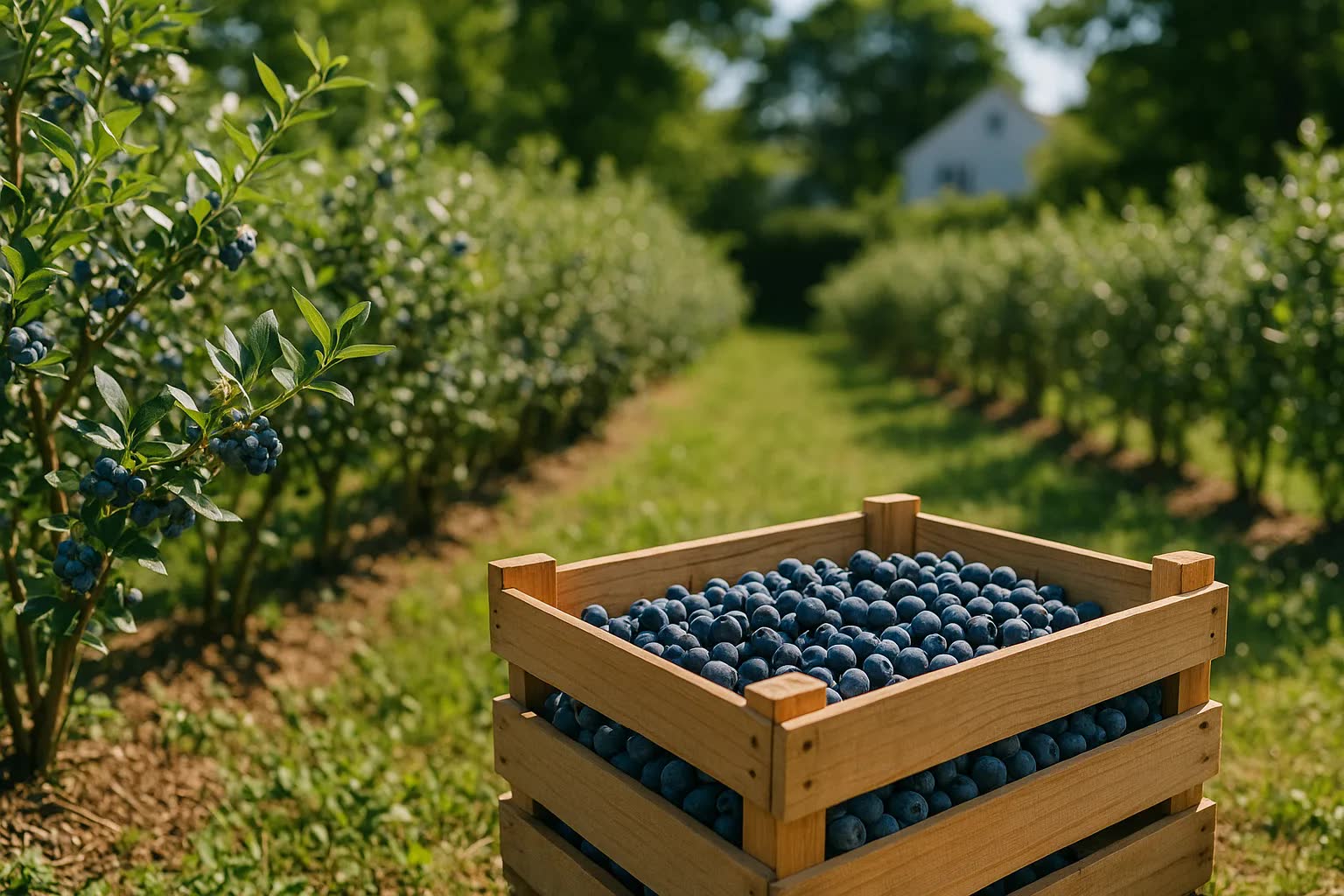
NEW YORK — On a recent Saturday, a steady stream of cars threaded east on the Long Island Expressway from Williamsburg, the Upper West Side and Jackson Heights, ferrying toddlers in sun hats and grandparents with folding chairs to a patch of blueberry bushes outside Jamesport where pick-your-own hours have become a weekend ritual for city families. Small-scale farms on the North and South Forks are packaging the harvest into an experience — timed picking sessions, picnic groves and short education modules on pollinators and crop cycles — giving urban parents a hands-on answer to the perennial question: where does our food come from?
At Blue Harbor Acres in Jamesport, owner Maya Trenton has spent the last three years turning what had been a modest u-pick field into an orchestrated family outing complete with a children’s scavenger hunt and a laminated pollinator identification sheet. "We want kids to see where their food comes from and why bees matter," said Trenton, who calls herself the farm's experiential director. "If a child remembers a bee in the field, they’re more likely to care about preserving habitat back in the city."
The model is deliberately low-tech but highly curated: families reserve 45-minute time slots online, receive a small picking bucket and a short orientation under a shade tent, then enter rows of highbush blueberries monitored by staff who answer questions about pruning, bloom cycles and organic pest control. Farms such as Peconic Patch in Mattituck and Patchogue’s Riverbend Hollow have added weekend chalkboard lessons on crop rotation and workshops on turning berries into jam, attracting a mix of parents from Park Slope, the East Village and Bay Ridge looking for an educational escape that feels both rustic and reliable.
The growth is measurable. Organizers on the North Fork estimate about 22 pick-your-own blueberry operations now operate within a 30-mile stretch of Riverhead to Southold, drawing roughly 40,000 weekend visitors last season across Long Island’s berry circuit. Typical admission fees range from $8 to $20 per person or $10 to $25 for a standard pint container; a highbush blueberry crop on a well-managed acre can produce 4,000 to 6,000 pounds in a season, allowing small farms to sell both bulk and experiential access. Many farms report that agritourism now accounts for 30 percent to 50 percent of their annual revenue, helping offset volatile wholesale prices.
Community and county extension educators have been instrumental in shaping curricula. "We work with farms to weave short lessons about pollinators into the pick-your-own experience, so visitors learn what a foraging pattern looks like and how planting native species helps bees," said Ivy Chen, Nassau County extension horticulturist. Chen’s team supplies farms with laminated guides, children’s activity sheets and a mobile demonstration hive used for observation only; the hive is placed behind a plexiglass barrier and explained, not opened, to avoid stressing the bees.
Children at North Fork Family Farm’s Saturday session trace a paper map of bee flight paths and then compare it to the way blueberry bushes are spaced, learning why cross-pollination matters to fruit set. Farms have installed small pollinator plots of milkweed and bee balm at the edge of their rows and mounted explanatory signs about simple practices like leaving brush piles and limiting late-season pesticide sprays. Educators say the visual and tactile elements — counting flowers, watching a worker gently shake blossoms to dislodge nectar — make abstract ecology tangible for families who spend most weekdays in neighborhoods like Forest Hills and the Upper East Side.
Practical logistics have matured alongside programming. Most farms report average drive times from Midtown Manhattan of 60 to 90 minutes, with LIRR riders combining Montauk or Port Jefferson branch trains and short taxi or shuttle rides from stations in Riverhead or Greenport; several operations have started timed bus runs from Park Slope and Manhattan’s East Midtown on high-demand weekends. Parking is managed with attendants or pre-assigned lots, and farms limit per-slot group sizes to 10 to 15 people to prevent overcrowding in the berry rows. Many now require reservations during the June and July peak and have contingency plans for rain.
For the farmers, agritourism is as much about economics as education. "A busy weekend can cover a month of wholesale volatility," said Tomas Alvarez, farm manager at Peconic Patch, who grew up in Patchogue and hired eight seasonal workers last year from nearby Suffolk County towns. Farms say agritourism revenue helps underwrite soil health projects, new pollinator hedgerows and modest wages for seasonal crews. Some operators have also started certified-school-group rates and partnerships with local food banks to donate leftover berries, expanding the social benefits of the enterprise.
The trend has attracted attention beyond the fields. A 2024 study by the Long Island Sustainable Agriculture Institute, a regional nonprofit, found that hands-on agritourism visits correlated with a 26 percent increase in family purchases of local produce over the following month, and that 68 percent of surveyed parents reported their children were more willing to try blueberries after a pick-your-own visit. Urban educators say those numbers translate into small but meaningful shifts in food literacy and environmental stewardship among city families who otherwise have limited exposure to working farms.
As the 2026 season approaches, farms are planning incremental expansions — more shaded seating, additional morning time slots for young families, and pilot shuttle partnerships with community centers in Jackson Heights and Sunset Park to make the trips easier and more equitable. Blue Harbor Acres is testing an off-season series of berry-care classes for teachers and a mobile pop-up that would bring a crate of fresh berries and a short pollinator demo to a Manhattan playground. If past seasons are any guide, those small investments could deepen a connection between city neighborhoods and the island fields that feed them, keeping weekend blueberry harvests a staple of suburban escapes for New Yorkers in years to come.