Basement Flood-Proofing Trends Transform Lower Manhattan Rentals
As storms intensify, landlords and tenants are adopting modular pumps, raised electricals and water-resistant finishes to keep below-grade spaces usable.
By Caroline O'Neill · May 3, 2026 · 4 min read
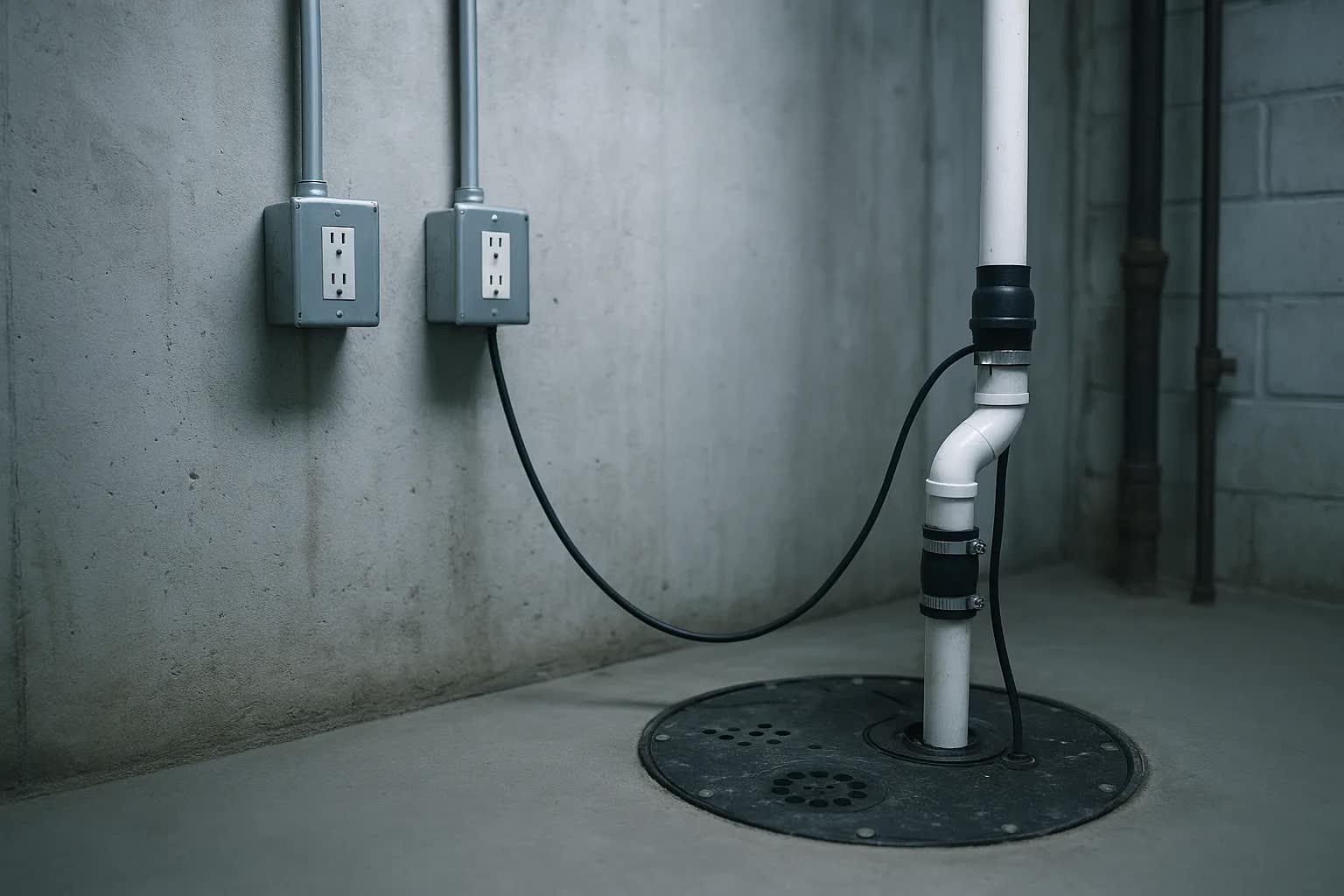
Basement flood-proofing has moved from niche retrofit to mainstream reality in Lower Manhattan as increasingly intense storms force landlords and tenants to rethink how below-grade spaces stay functional, safe and rentable; from Battery Park City’s low-lying townhouse basements to converted storefronts on Water Street, modular pumps, raised electrical panels and water-resistant finishes are transforming the way the neighborhood uses its once-perilous undercroft spaces.
On a damp April morning at 120 Water Street, a former newsprint warehouse turned rental building in the South Street Seaport area, tenants shuffled past a newly installed stainless-steel unit the size of a filing cabinet: a modular sump pump with an integrated battery backup and automatic float switch that kicks in when water reaches a preset level. The landlord, HarborView Realty, also raised outlets and circuit breakers two feet above the basement floor and coated the lower walls with a cementitious waterproofing finish. Tenants say the changes mean they can continue to use common laundry rooms, storage lockers and a small gym even after heavy rains that previously rendered the floor unusable for days.
"We started seeing more frequent water in the basement after the '23 storm season and realized it wasn't a one-off," said Marisol Vega, property manager at HarborView Realty, who oversees seven rental buildings between Fulton Street and the Battery. "The modular units were affordable, fast to install and minimal disruption to tenants — that made the decision an easy one this winter." The company declined to provide contract details but said installations were completed in under a week at most sites.
The new systems being deployed around Lower Manhattan combine small, self-contained submersible pumps that sit in preformed sumps and plug into wall outlets, battery backups that provide up to 48 hours of operation, and sensor-based controls that send text alerts to building managers. Electrical upgrades typically include moving meter banks and breakers above anticipated flood levels or installing riser-mounted junction boxes; finish upgrades favor nonporous epoxy floors, porcelain tile and closed-cell spray foam insulation that resists mold and wicking.
A 2025 survey by the Lower Manhattan Housing Resilience Lab found that 42% of buildings with below-grade rental spaces in the Financial District, Two Bridges and Chinatown had installed at least one floodproofing measure since 2022, up from 16% in 2021. The survey — covering 312 buildings and 1,120 below-grade units between Battery Place and Delancey Street — reported average first-costs of $3,400 for modular pump systems, $1,250 to raise electrical systems per building, and $2,100 for water-resistant finishes per unit; landlords in the sample reported an average repair cost savings of 68% in the two years after installations versus the two years prior.
"It isn't glamorous, but it works," said Elena Morales, principal engineer at FloodSafe Innovations, a Williamsburg-based resilience design firm that has retrofitted more than 40 properties in Lower Manhattan. "Modular pumps can be swapped out in an hour, they're relatively cheap to maintain and you don't have to gut a basement to get resiliency. Combined with raised electricals and simple passive barriers like threshold seals, you can keep commercial tenants in place and avoid long-term closures." Morales emphasized that integration with backflow preventers and stormwater management is critical for neighborhoods where combined sewer overflow remains a threat.
Tenants and community groups, however, warn that resiliency upgrades can become a tool for passing costs to renters or shrinking usable space in already tight units. "In Two Bridges, basement storage and community rooms are lifelines for larger families and small immigrant-owned shops," said Tomas Rivera, president of the Two Bridges Tenant Coalition. "We applaud landlords who invest in safety, but we need transparency on costs and assurances that upgrades won't be used to raise rents or convert below-grade housing into higher-margin storage or commercial space."
City agencies and nonprofit funds are trying to mediate that tension. The Department of Buildings has issued new guidance to streamline permits for battery-backed pumps and low-impact design retrofits in flood-prone areas, while a locally funded pilot, the Manhattan Resilience Fund, has offered small grants and technical assistance for low-income housing providers to install floodproofing measures. On Pearl Street and parts of Fulton Market, community organizations have used those grants to keep basement day-care rooms and artist studios open after storms, officials say.
Small businesses that rely on below-grade space — nail salons, bodegas and copiers around Canal Street and the Bowery — are also adopting new designs: raised counters, sealed service areas and elevated storage racks. Some landlords now advertise 'flood-safe' basements as a feature on listings aimed at tenants who need resilient, year-round access. "We used to close after any heavy rain, now we might get the odd puddle but it's manageable," said Daniel Park, owner of Park & Copy on Pearl Street. "It's a competitive advantage in the neighborhood." An anonymous senior MTA planner who requested anonymity noted that coordination remains essential where municipal infrastructure intersects private space: "We watch water elevations at the street level and try to warn building operators, but having the right in-building systems makes all the difference."
As storms grow more frequent and insurers adapt to new risk models, building owners and tenants in Lower Manhattan say flood-proofing is becoming part of the normal lifecycle of rental property, not an emergency fix. Engineers expect modular systems to get smarter, with predictive sensors and cloud monitoring, while community advocates push for subsidies to keep resilience equitable. For renters and small businesses from Battery Park City to Chinatown, the next rainy season will test whether these investments hold when the next intense storm arrives — and whether the neighborhood can keep its below-grade spaces both usable and affordable.