Beauty From the Inside Out: New York’s Wellness Industry Rethinks Anti-Aging
Beauty businesses are talking not only about appearance, but also about sleep, stress, scalp health, preventive care and the way people want to feel as they grow older.
By Iris Ye · September 25, 2026 · 4 min read
NEW YORK, Sep 25 2026 — For years, the language of anti-aging centered on what could be erased, tightened or covered. Increasingly, that language is broadening. Beauty businesses are talking not only about appearance, but also about sleep, stress, scalp health, preventive care and the way people want to feel as they grow older.
That shift is helping blur the once-clear boundary between beauty and wellness. McKinsey estimates that consumers in the United States now spend more than $500 billion a year on wellness, while 84% describe wellness as a top or important priority. Its recent research has also identified healthy aging, beauty and in-person wellness services as areas drawing growing consumer interest.
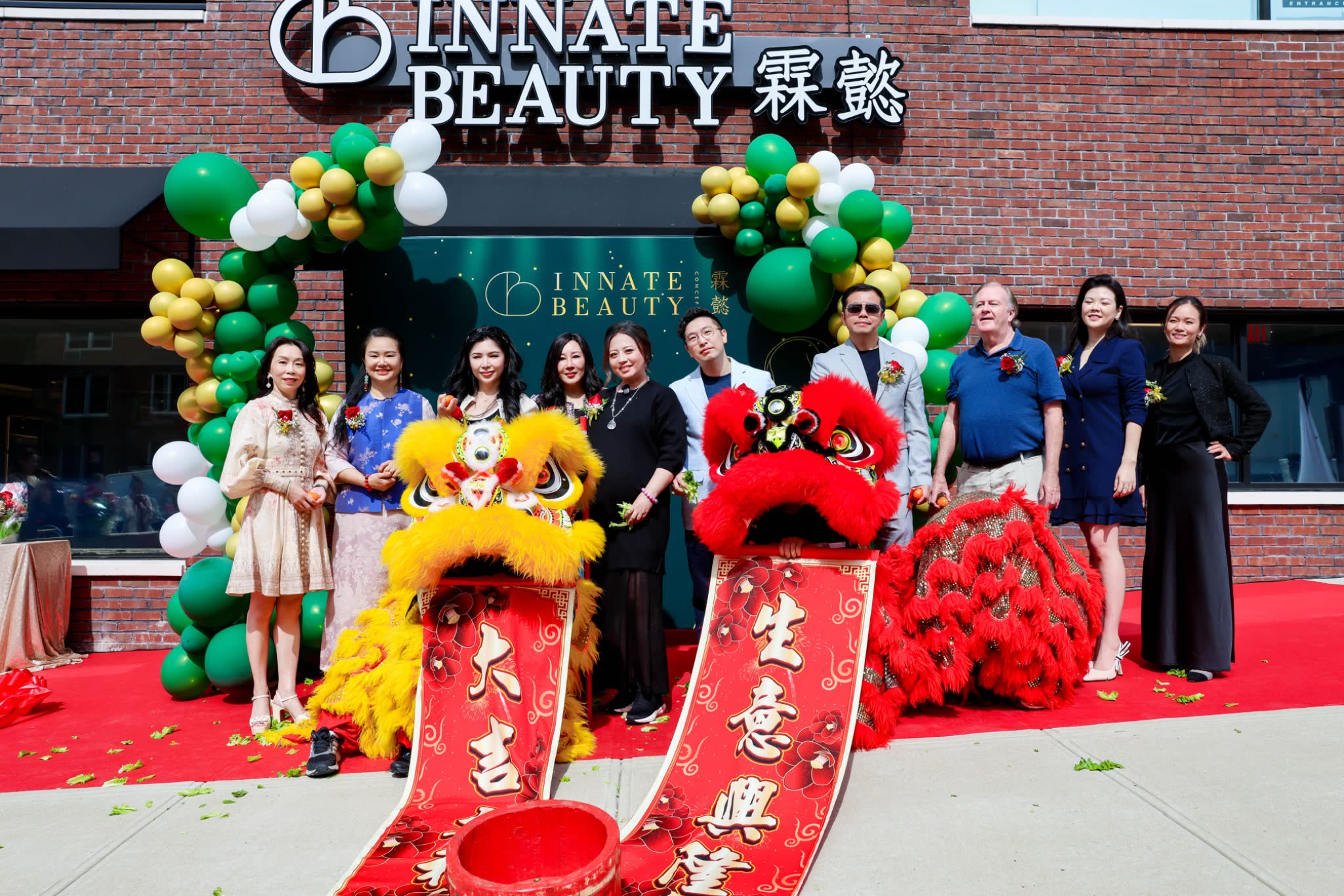
In Douglaston, Queens, Innate Beauty Concepts offers one local example of how those trends are being translated into a new kind of beauty business. Developed in 2024 by acupuncturist Sonia Guan, the concept combines Chinese cosmetic acupuncture, Korean-inspired scalp care and AI-assisted scalp analysis within a model centered on restorative wellness rather than appearance alone. The business celebrated its official opening on Sept. 25, 2026, after a yearlong soft opening that drew enthusiastic feedback from guests.
Guan was raised in a Chinese medicine family and said her family has operated acupuncture clinics in New York for more than 30 years. She later earned a master’s degree in acupuncture, trained in cosmetic facial acupuncture and built her own practice around areas including pain management, women’s health and facial rejuvenation.
In the years after the pandemic, Guan noticed that conversations about appearance were increasingly overlapping with concerns about stress, energy, hair and scalp conditions, and long-term well-being. The goal for many clients, she said, was no longer simply to correct something visible, but to feel better and maintain their overall well-being as they aged.
That observation reflects a wider change in the wellness market. McKinsey’s 2025 research found that healthy aging has become an important priority across age groups, while younger consumers are beginning to engage with anti-aging products and services earlier than previous generations. The Global Wellness Institute reported that the global wellness economy reached $6.8 trillion in 2024, up 7.9% from the previous year, and projects it could approach $9.8 trillion by 2029.
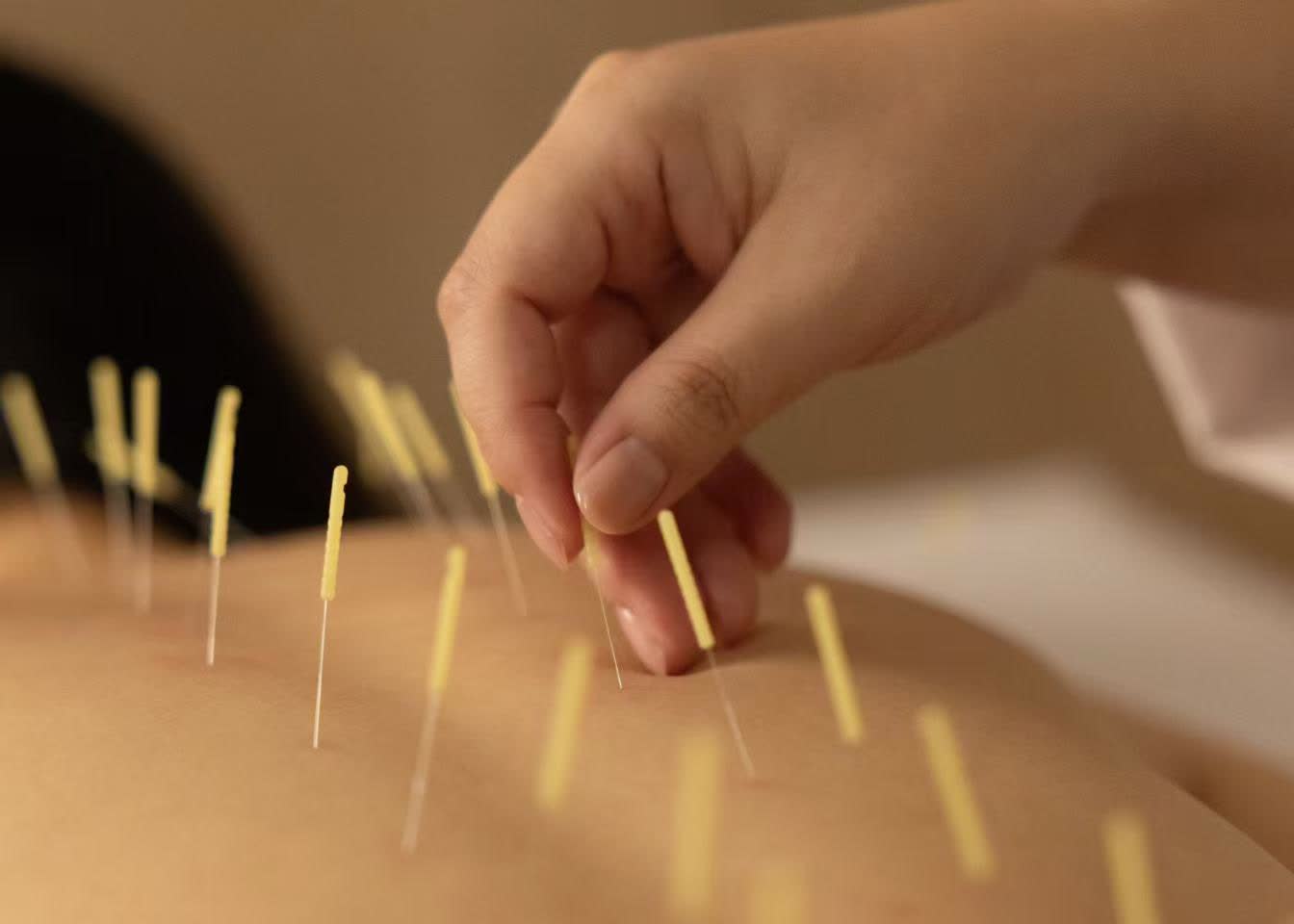
At Innate Beauty, practices that once might have existed in separate spaces are placed under one roof. Chinese acupuncture is paired with Korean-style scalp treatments, while imaging technology is used to examine the scalp and help personalize services. Instead of treating scalp care as an extension of hair styling, the company presents it as part of a broader wellness routine and an entry point into conversations about aging.
The scalp is central to Guan’s approach. She describes vibrant aging as beginning with foundational wellness, with scalp health playing an early role in that process. The philosophy is also reflected in the company’s name: Guan describes “Innate Beauty” as natural beauty that already exists within a person and can be revealed rather than manufactured.
The combination of traditional practices and newer technology is another part of the model. Technology provides a more individualized view of the scalp, while acupuncture and manual therapies remain rooted in older ideas of balance, circulation and restorative care. The pairing reflects a wider shift in wellness, where consumers increasingly seek natural or non-invasive services alongside personalization and technology.
That positioning also requires a clear distinction between wellness language and medical claims. Federal Trade Commission guidance requires objective health claims to be supported by competent and reliable scientific evidence, an important boundary for businesses operating across beauty, wellness and health care.
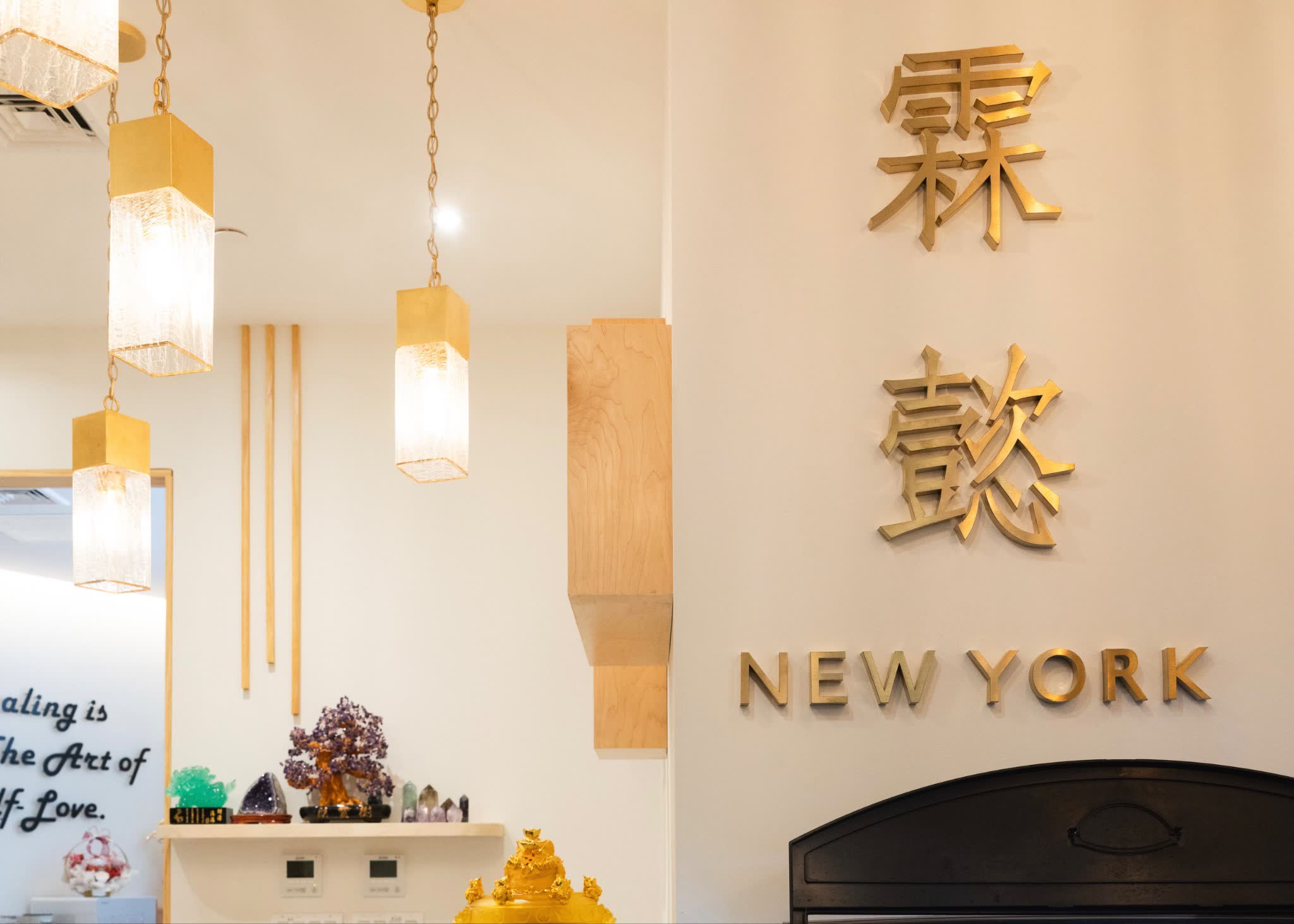
Innate Beauty’s slogan, “Healing is the art of self-love,” captures the company’s broader interpretation of anti-aging: less about correcting every sign of age and more about building routines around care, comfort and long-term well-being.
As the wellness economy continues to expand, businesses like Innate Beauty suggest that the future of beauty may be shaped as much by how people want to feel as by how they want to look. The language of anti-aging is not disappearing, but it is becoming broader — making room for scalp health, traditional medicine, technology and a growing preference for aging well rather than simply appearing younger.