Boardwalk Tenants and New Owners Wrestle Over Coney Island's Post-Pandemic Identity
Small amusements and family-run stands face rising rents and redevelopment proposals as the historic boardwalk seeks to balance nostalgia with new investment.
By Kira Sato · March 12, 2026 · 4 min read
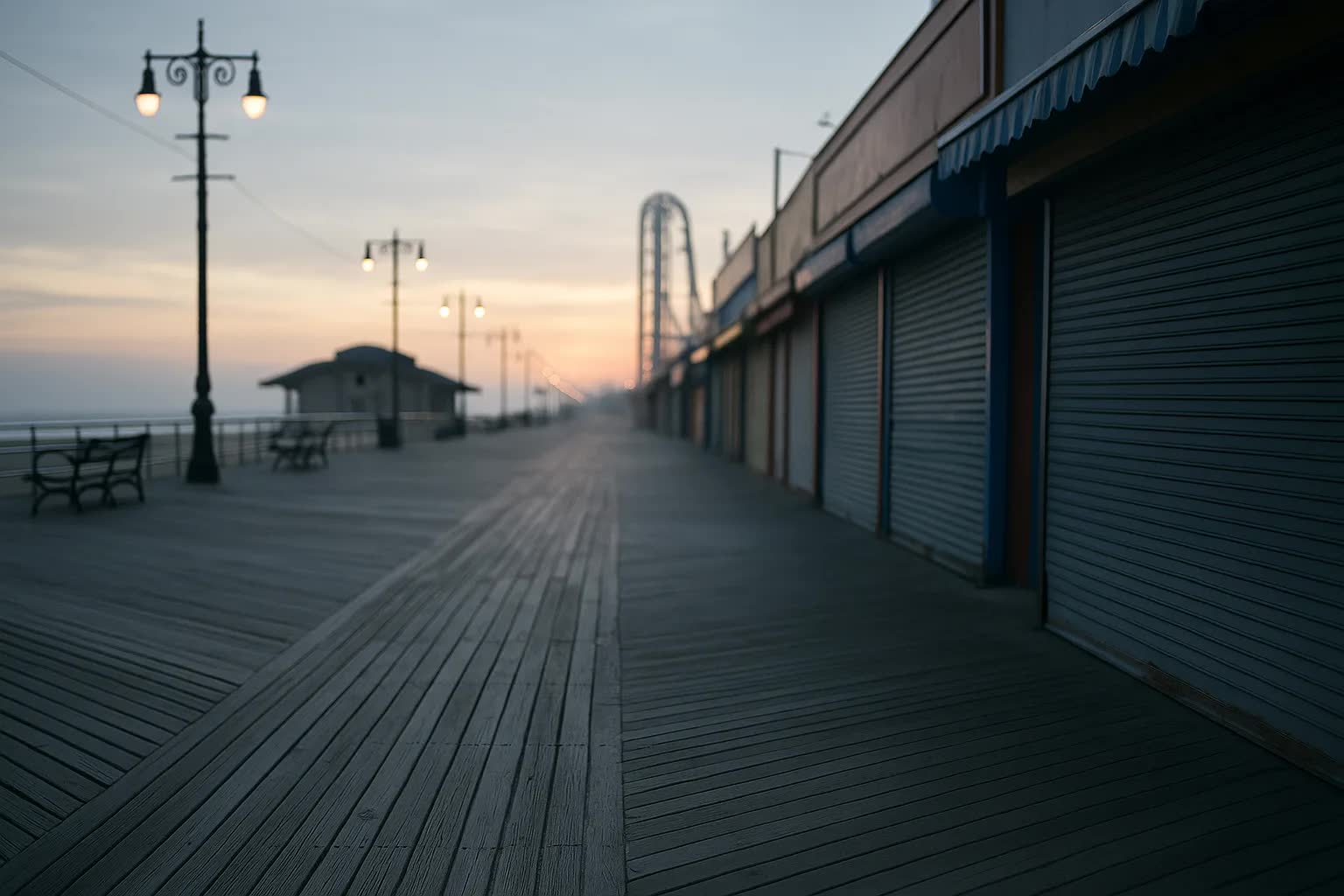
NEW YORK — On a brisk March afternoon, the wooden planks of Coney Island's boardwalk creak under a new kind of weight: not just tourists and the familiar clatter of rides near the Cyclone, but the heavy conversation between longtime vendors and recent buyers who see opportunity in post-pandemic recovery. Along Surf and Stillwell avenues, family-run hot dog stands, fortune-tellers and independent arcades are negotiating leases, submitting community impact statements and facing proposed designs that would reshape blocks of the shoreline between Brighton Beach and the amusement piers.
For decades the boardwalk has served as a symbol of New York summer—a patchwork of mom-and-pop concessions rubbing shoulders with branded attractions. The pandemic hollowed that mosaic: several year-round tenants closed, foot traffic vanished and a handful of properties were put up for sale. Now, as crowds return and city tourism rebounds, owners and developers are making moves that many small operators say threaten the boardwalk’s character even as they bring fresh capital.
Mariela Cruz, owner of Cruz's Clams on Surf Avenue for 32 years, said she has watched rent offers triple in recent negotiations and finds herself weighing a life’s work against a recession of affordability. "My parents taught me to hold the grill and keep prices honest for neighbors," Cruz said. "We built our business one summer at a time. If the leases keep changing, my son won't have that chance." Her lease expires in August and she said an initial renewal proposal would raise her monthly rent from $2,800 to $6,500.
On the other side, developers framed their interest as preservation through investment. Dmitri Korolenko, managing partner at Shoreline Development Partners, which bought three contiguous parcels east of West 12th Street last year, said the firm is seeking to upgrade aging sewage and electrical systems while creating year-round jobs. "We are committed to a mixed-use plan that honors Coney Island's amusements while introducing sustainable infrastructure and better vendor facilities," Korolenko said. He added the company is open to negotiated lease terms and community benefits agreements.
Numbers in the negotiations are stark. City filings reviewed by NYDailyWatch show 42 family-run concession contracts along the boardwalk, of which 28 were scheduled for renewal in 2025–26; average monthly rents for prime Surf Avenue stalls rose an estimated 84% from $2,700 in 2019 to $4,960 in 2025. Annual attendance at Coney Island attractions fell from an estimated 6.2 million visitors in 2019 to 1.1 million in 2020, then rebounded to 4.6 million in 2024, according to tourism studies commissioned by a local business improvement district. Meanwhile, proposed redevelopment plans filed in January envision roughly 230,000 square feet of new commercial space and up to 180 residential units in two mid-rise buildings.
Community groups and planners have pushed back, demanding protections for legacy businesses and clearer rules on affordable retail space. The Coney Heritage Alliance, a neighborhood nonprofit, has held three public forums and submitted a petition with more than 3,400 signatures asking the city to require developers to set aside concession space at below-market rents. "This place isn't just a view; it's a history and an economy for working families," said Joanne Patel, chair of the alliance. Community Board 13 has scheduled a hearing on the Shoreline plan for late April.
Independent amusement operators say the dynamics are especially tricky for mechanical rides and small-operator arcades that survive on seasonal margins. Abdul Rahman, operations manager at Kiddie Coaster, an independent ride tucked behind the Stillwell entrance, said rising lease costs and higher prices for parts and labor have left operators more vulnerable to buyouts. "We fixed a gearbox last year that cost twice what it did before the pandemic," Rahman said. "If owners are expected to invest in modernization, there needs to be a path that keeps independent operators viable."
City agencies are monitoring the talks while balancing competing priorities: shoreline resilience, tourism revenue and neighborhood stability. Emily Nguyen, a planner at the Department of City Planning, said any large-scale zoning change would require environmental review and community input. "We recognize the boardwalk's cultural value and the need for infrastructure upgrades," Nguyen said. "The challenge for planning is aligning long-term resilience projects with protections for those who have made Coney Island what it is."
The debate is not limited to vendors and developers; residents of adjacent blocks in Brighton Beach and Sheepshead Bay worry about displacement, traffic and the loss of affordable services. Sasha Petrov, who has lived on Ocean Parkway for 18 years and works seasonally as a carnival technician, noted the informal networks that keep the area functioning through off-seasons. "People rent rooms, swap parts, and help each other through slow winters," Petrov said. "If the new plans erase the small businesses, the neighborhood changes for good—not just during summer weekends."
As March gives way to a season of public meetings, the next steps will test whether Coney Island can accommodate new investment without losing the seams that stitch its communities together. Developers and city officials say compromises are possible—fixed-term concessions, joint maintenance funds, and pilot programs for below-market stalls have been floated—but many vendors want legally binding guarantees. The first public hearing in late April will set a tone for negotiations, and concessions must be settled before the summer tourism surge if this stretch of the boardwalk is to remain both a place of memory and a place of business.