Broadway Producers Invest in Projection Mapping and Spatial Audio for New Shows
Theater companies are betting on immersive tech to lure audiences back, changing rehearsal workflows and technical staffing across the theater district.
By Amina El-Sayed · March 23, 2026 · 4 min read
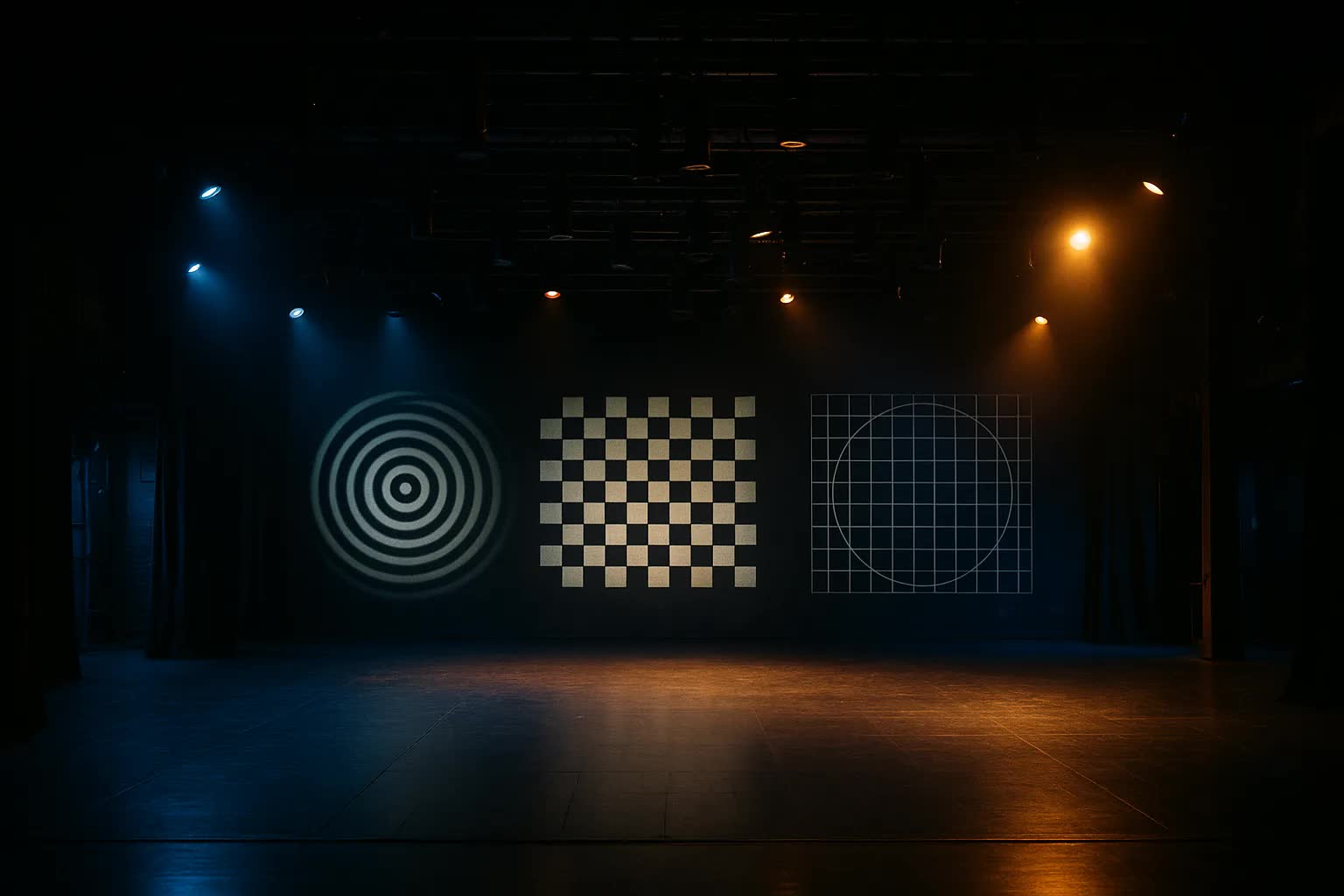
NEW YORK — Facing a slow but steady rebound in tourists and a neighborhood that still prizes spectacle, Broadway producers are increasingly turning to projection mapping and immersive spatial audio to retool shows and lure audiences back to the Theater District, a shift that is reshaping rehearsal schedules, technical staffing and the economics of mounting a production from 42nd Street to Hudson Yards.
At Blue Lantern Productions' new musical workshop on West 45th Street, projection designers arrive at the rehearsal room before the cast, testing cues on a patchwork of rented projectors and a prototype LED scrim that will ultimately be replaced by mapped imagery on the facade of the theater. Producers say the tech creates a marketing hook and makes seats in the rear orchestra feel like front-row tickets, but it also forces directors and designers to plan scenes months earlier than they used to.
“We used to lock scenery two weeks before tech week; now we have to lock the animation, the keyframes and the audio objects before the choreography is finished,” said Mariana Cortez, lead technical director at Blue Lantern Productions. “It changes who you hire — you need VFX supervisors, audio object programmers and projection specialists in the room from day one.”
Across the street at HarborStage, executives say spatial audio installations are being treated as capital improvements rather than rentals, with object-based audio arrays hung in fly towers and under balconies to place sound precisely in audience seats. “When a thunderclap moves from the mezzanine to the balcony in sync with the projections, people gasp,” said Elliot Voss, executive producer at HarborStage. “That reaction translates into word-of-mouth that trailers and posters no longer generate on their own.”
Startups and specialist vendors are proliferating in Manhattan to meet demand. Firms such as AstraPlay Labs and Gotham Projection Collective are setting up shop in Hell's Kitchen and the Garment District to be close to theaters, advertising fast turnaround times and turnkey systems that bundle mapping engines, laser projectors and spatial audio rigs. Production managers say the move toward integrated vendors is shortening procurement cycles but increasing up-front capital requirements for small and mid-size companies.
The numbers underline the scale of the shift: in the 2025-26 season, producers in the Theater District and adjacent off-Broadway houses reported that 22 of 36 new productions used some form of projection mapping and 18 employed object-based spatial audio, a jump from 9 and 7 respectively in the prior season; producers estimated average capital outlays of $1.3 million per show for hardware and software licenses, while technical payrolls rose by an average of 3.8 full-time-equivalent positions per production to operate and maintain the systems. Houses that adopted the immersive packages also reported average ticket revenue increases of roughly 12 percent compared with similar non-immersive productions, according to production company accounting compiled for this report.
The technology is altering rehearsal workflows in practical ways. Scenic carpenters and fly crews now spend days calibrating sightlines with projected content, and stage managers coordinate an expanded call sheet that lists not only lighting and sound cues but projector warm-up sequences and audio object checks. Many productions are using previsualization software to simulate projection mapping during early table work, allowing directors to block scenes against virtual backdrops before a physical set is built.
That change has labor implications. Producers are negotiating new job descriptions with Stagecraft Local 271, the municipal union that represents technical staff at many downtown theaters, and are recruiting workers with audiovisual and software skills rather than traditional rigging-only backgrounds. Training pipelines are emerging with community colleges and private boot camps in neighborhoods from the East Village to the Upper West Side offering semester-long certificates in projection mapping, 3-D audio mixing and VFX integration targeted at theater technicians.
The move is not without friction. Some historic houses have structural limits — cramped fly towers and aging catwalks — that make rigging projection arrays and speaker arrays difficult and costly to retrofit. Community groups in the Upper West Side and Hell's Kitchen have also filed complaints about late-night audio tests and the spill of powerful projectors onto nearby residential facades, forcing producers to negotiate sound curfews and light shields with neighborhood preservation boards. And several producers warned of a consolidation risk: smaller companies may be priced out unless suppliers offer scaled pricing for repertory and touring versions of immersive designs.
Still, producers say the technology is becoming a competitive baseline. “We see a five-year runway where immersive audio and mapped visuals move from luxury add-ons to expected elements, much like lighting did decades ago,” said Priya Nandagopal, chief strategy officer at Gotham Projection Collective. “The next challenge is making these systems portable and affordable so regional theaters and touring companies can take them on the road without rebuilding everything from scratch.”