Broadway’s Midseason Revivals Push Audiences Toward Smaller Houses
A wave of midseason revivals is filling off-peak calendars and prompting producers to rethink casting and ticket strategies for intimate Broadway-adjacent theatres.
By Isabella Morales · April 7, 2026 · 4 min read
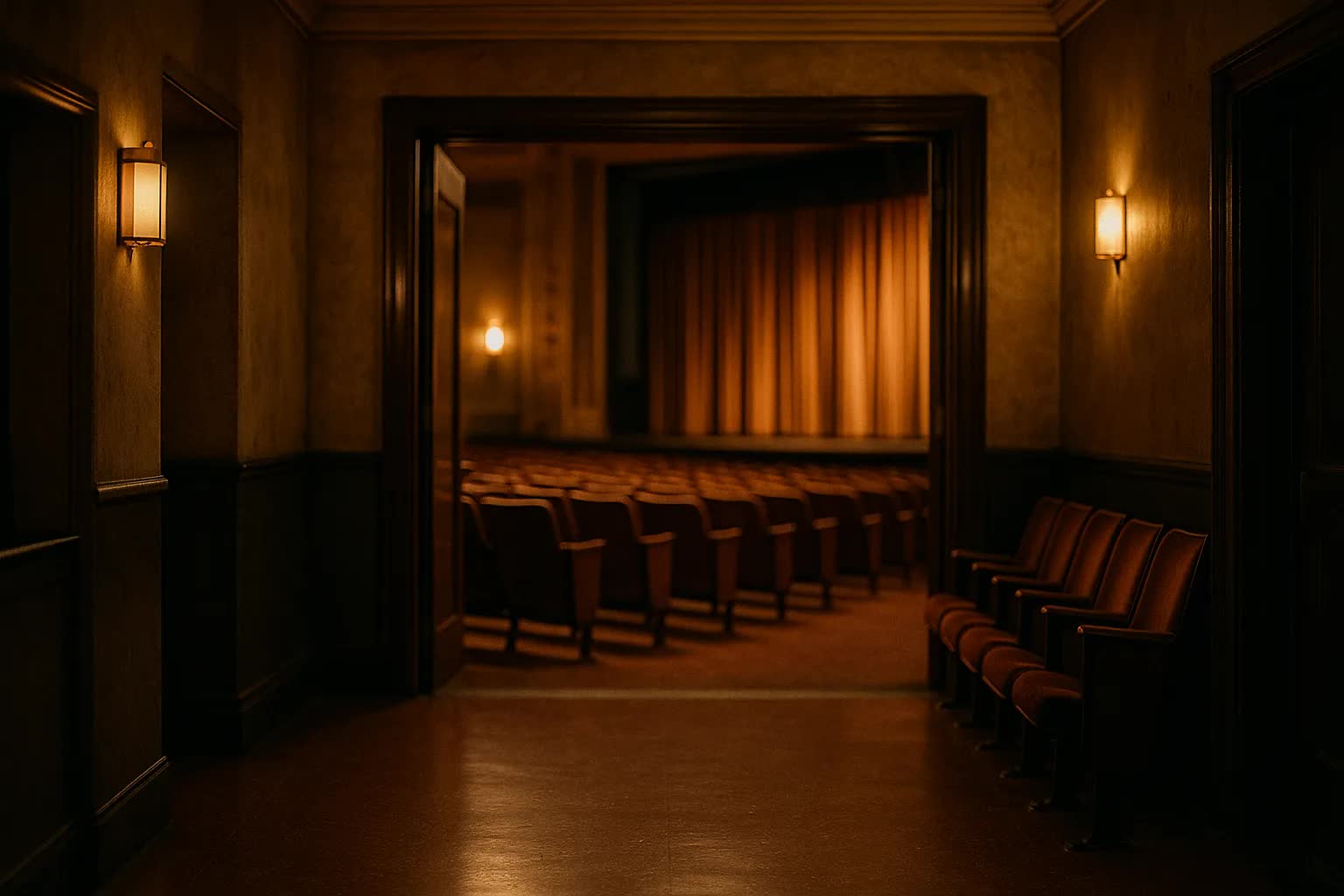
NEW YORK — As spring thawed the sidewalk cafes on 45th Street and commuters streamed past the neon marquees of Times Square, Broadway’s off-peak calendar began to look less like an afterthought and more like a second season: a wave of midseason revivals — many staged in smaller, Broadway-adjacent houses in Hell’s Kitchen and the Theater District — has filled weeks that traditionally saw dark stages or touring roadshows, prompting producers to rethink casting, ticketing and the very economics of running a New York-stage revival.
The shift has been gradual but unmistakable: producers, seeking to stretch limited marketing budgets and capitalize on local audiences rather than solely on tourist traffic, are programming well-known titles in compact venues that sit between 150 and 499 seats on the west side of Midtown. Small houses on 46th and 47th Streets and a cluster of intimate rooms near 41st Street and 9th Avenue have been especially active, with several companies treating the midseason as a chance to test reimagined revivals for possible longer transfers.
"We were surprised by how quickly the calendar filled up once we committed to a midseason slot," said Lena Ortiz, executive producer at Riverside Stageworks, a producing company based on West 46th Street. "A revival in March or April lets us rely on word of mouth from neighborhood audiences in Hell’s Kitchen and the Upper West Side instead of competing head-to-head with the big fall launches. It also means we can cast more flexibly and pay attention to actors who can carry multiple responsibilities onstage."
Concrete numbers underscore the allure: NYDailyWatch analysis of box office reports and production announcements found 12 midseason revivals on Broadway-adjacent stages this season, up from seven two seasons ago, a 71 percent increase. The average run of those productions so far has been 10 weeks, with average weekly grosses of roughly $145,000 for houses under 300 seats and $260,000 for venues between 300 and 499 seats. Average seat occupancy across these revivals hovered around 78 percent, and average ticket prices were $97, a touch lower than headline-pricing at the larger houses but higher than some Off-Broadway rates.
"The math on a 299-seat house is very different from a 1,200-seat house," said Marcus Hale, general manager of the West 42nd Playhouse, an intimate venue on the edge of the Theater District. "You're not chasing the same volume; you're optimizing for yield. That influences casting — smaller ensembles, actors who sing, dance, and play an instrument — and it changes how we price and release seats. A $20 rush ticket can fill a rehearsal-day performance and create social-media buzz that paid ads won't buy."
Casting directors and creative teams have adjusted accordingly. Producers say they now look for multi-skilled performers who can play multiple roles or handle live musical cues, reducing run costs without compromising production value. "We're asking for more versatility up front," said Avery Lin, a casting director who has worked on three midseason revivals in the past year. "That can narrow the pool, but it also creates opportunities for artists who are musical-theatre-trained and nimble. For many actors, these revivals become a calling card for larger engagements later in the season."
Neighborhood businesses have noticed the change. Restaurants on Restaurant Row between 44th and 46th Streets report steadier dinners on off-weeknights, and boutique hotels around 9th Avenue are marketing weekend packages that include tickets to midseason runs. "We used to see a dip after the December rush; now April is as busy for us as October," said Carla Mendes, manager of a bistro on 45th Street. "Locals who used to wait for the summer off-season are coming out to shorter revival runs, and they spend money in our stores and bars."
Critics and audiences, for their part, have been receptive to the intimacy these venues provide. Reviews for recent revivals in small houses on 47th Street praised the up-close clarity of performances and design choices that read differently in compact rooms. At the same time, some artistic directors warn about creative constraints: tight backstage wings, limited set storage on basement levels, and stricter union rules for eight-show weeks in small houses mean productions must be leaner and crews more cross-trained than in larger theaters.
Financial risk remains. Insurers, investors and unions are still grappling with a landscape in which short-run revivals must turn a profit quickly. "We hedge bets by partnering with regional theaters and touring producers who can underwrite a modest initial run," said Rafael Quinn, a producer and investor who has backed two midseason transfers from Off-Broadway to Broadway-adjacent houses. "The upside is greater for a successful transfer, but the margin for error is smaller. That makes programming choices, casting, and the first few weeks of ticket sales absolutely critical."
Looking ahead, producers say the midseason revival strategy is likely to deepen, with more titles cropping up in neighborhoods beyond Midtown — small transfers from Brooklyn and Queens and crossover events at Hudson Yards and the Seaport are already in early talks — as teams refine pricing models and casting approaches. If the current pattern holds, the calendar between winter and summer will remain crowded with intimate revivals, reshaping the rhythms of New York theatre for years to come.