The Bronx Names Its First Borough Poet, and She Wants Verse on the Buses
A newly created borough poet position debuts with an ambitious plan to put original poems in laundromats, bus shelters, and community-garden fences across the Bronx.
By Zoe Kaplan · July 11, 2026 · 4 min read
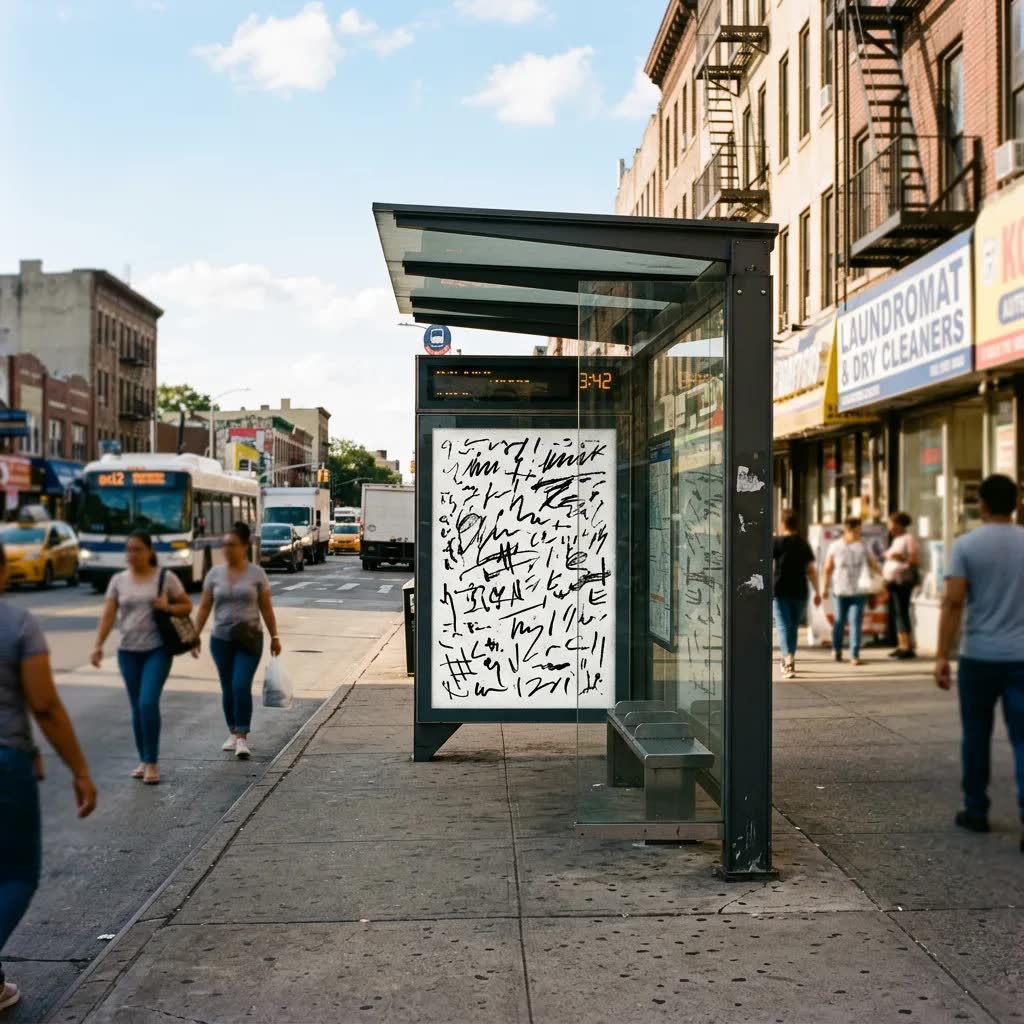
NEW YORK — The Bronx has long claimed a fierce literary and lyrical identity, from its role as a cradle of hip-hop to a deep bench of poets who came up in its classrooms and clubs. This month the borough formalized that legacy with the creation of an inaugural borough poet position, a two-year honorary role intended to weave original verse into the fabric of everyday neighborhood life.
The inaugural appointee, a longtime educator and spoken-word performer who has spent two decades running free workshops in the borough's schools and senior centers, laid out an agenda that leans hard toward the streets rather than the lectern. Her signature proposal is a project she calls "Poems in Passing": short original works, contributed by Bronx residents of all ages, printed on placards and installed in the places people wait — bus shelters, laundromats, clinic waiting rooms, and the chain-link fences of community gardens.
"Poetry in this borough was never something that lived only in books," she said at a small ceremony marking the appointment. "It lived on stoops and in cyphers and on the backs of receipts. All I'm doing is putting it back where it always belonged, out where people actually are." She framed the role less as a personal honor than as an invitation for thousands of Bronx residents to see their own words in public, arguing that the borough has never lacked for poets, only for platforms.
The position carries a modest stipend funded through a mix of borough discretionary money and a private literary foundation, and it comes with no formal requirement beyond a handful of public appearances each year. The new poet has said she intends to blow past that minimum, with plans for a traveling open-mic series that would set up in a different neighborhood every month, and a printed anthology at the end of her term collecting the strongest submissions from the placard project.
Reaction across the borough's tight-knit literary community has been warm, if occasionally competitive. Several established Bronx writers welcomed the recognition while noting, with characteristic bluntness, that the borough has produced enough talent to fill a dozen such posts. Younger poets, meanwhile, have flooded the project's early submission form, drawn by the promise of seeing their lines posted somewhere their neighbors will actually read them on the way to work.
Installation of the first batch of placards is expected before the end of the summer, pending sign-offs from the transit and sanitation agencies whose infrastructure they will occupy. The poet said she was untroubled by the bureaucratic wait. "People here have been making art in the margins forever," she said. "A few permits aren't going to stop a borough that invented a whole culture out of nothing."