Bronx Indoor Climbing Gyms Prioritize Youth Access
Nonprofit-run facilities are offering scholarships and after-school programs to keep climbing walls open to local kids.
By Marcus Thompson · February 25, 2026 · 4 min read
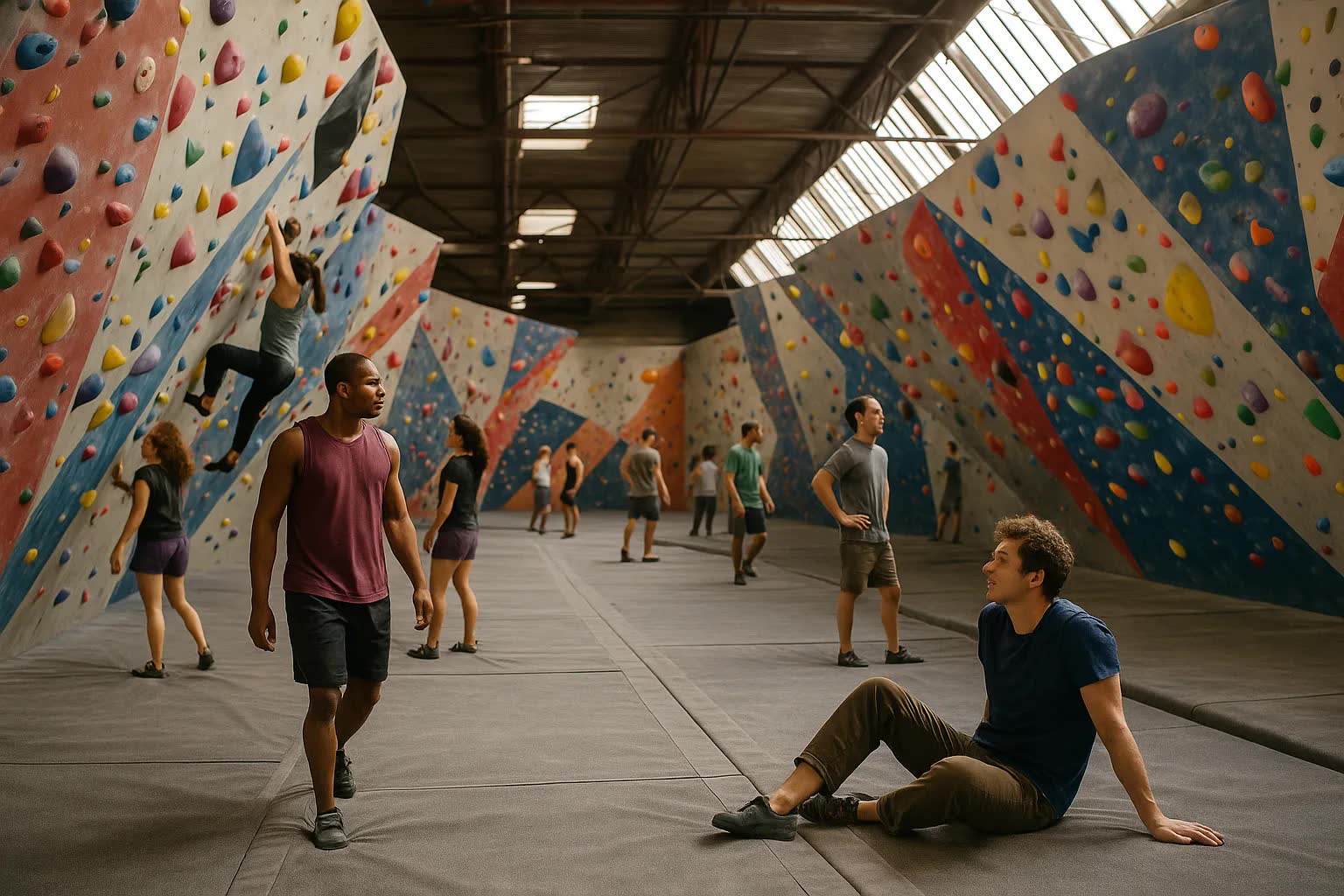
NEW YORK — In neighborhoods from Fordham to Mott Haven, nonprofit-run indoor climbing gyms are quietly reshaping how Bronx kids spend their afternoons, offering scholarships, after-school instruction and transportation help so climbing walls stay open to local youth even as operating costs rise citywide.
Across the borough three organizations — Bronx Boulder Collective on Fordham Road, High Bridge Climb near the Harlem River in Mott Haven and RockRoots in Hunts Point — run programs designed not to make money but to keep access affordable for children and teenagers. The facilities host homework help by day and belay training by early evening, and many of the participants come directly from nearby public schools and housing developments. "We see climbing as an entry point into confidence, teamwork and a safe place after school," said Lena Ortiz, executive director of Bronx Boulder Collective, who helped launch the nonprofit in 2020 after running youth sports programs in the Bronx Zoo neighborhood.
The gyms use sliding-scale memberships, full scholarships and partnerships with community groups to remove financial barriers. High Bridge Climb, for instance, picks up groups from P.S. 55 and a network of after-school sites and provides gear loaners for kids who can’t afford their own shoes. "If a kid shows up with curiosity, we find a way to get them on the wall," said Marcus Alvarez, program director at High Bridge Climb, adding that coaches sometimes fund taxi rides or MetroCard bundles from their own pockets to make practices possible.
Concrete numbers help explain the scale. Since 2023, the three nonprofits estimate they have issued roughly 1,200 full or partial scholarships and served about 820 children in structured programs each week; they say volunteer and paid staffers logged roughly 28,000 supervision hours last year. Typical full-price monthly memberships range from $50 to $80, but 60 percent of members at the three gyms pay $10 or less after aid. The organizations also report operating costs rising by about 12 percent year-over-year, with monthly rents that average $8,000 for mid-block retail spaces and climb above $15,000 for warehouse-sized sites near transit hubs.
Parents and teens describe climbing as more than exercise. Coaches point to improved focus, reduced school suspensions and a pipeline into part-time employment. "Climbing kept me out of trouble when my after-school options were limited," said Jamal Reyes, 15, a junior at a Bronx vocational high school who lives in Mott Haven and has been at High Bridge Climb for three years. "I learned how to teach knots and now I help younger kids on Saturdays. It makes me feel like I have a job and a future here."
Still, funding and real estate pressures limit how much the gyms can expand. Insurance, professional belay certification for staff and the cost of padded flooring all add up. RockRoots reported raising $350,000 in donations last year but said almost half of that went to a single rent increase in early 2025. The gyms rely on a mix of small foundation grants, local corporate sponsorships such as equipment donations from Bronx Gearworks, and modest municipal grants; a combination of two one-time city youth grants totaling $100,000 in 2024 helped cover utility backlogs and a van for outreach.
Space is another constraint. Ideal climbing facilities need high ceilings and clear floor plans, which are increasingly rare along Fordham Road and in redevelopment corridors such as the Concourse. In Hunts Point, one group is negotiating to convert a disused light-industrial lot into a multi-use sports hub, but zoning and community board reviews could push a project into next year. To bridge the gap, gyms are experimenting with modular walls that can be installed in school gyms and with a 'climb bus' concept that brings bouldering pads and instructors to parks and recreation centers in Soundview and Throggs Neck.
Community investment has grown organically: alumni who once relied on scholarships now return as apprentice coaches, and local volunteers staff belaying rotations. That workforce pipeline has become a point of pride and a modest revenue source for the nonprofits, which pay stipends to advanced youth instructors. "Seeing a former student rope up as a paid coach is the best grant we could ever receive," said Maya Chen, volunteer coach and Bronx native who coordinates the teen apprenticeship program at Bronx Boulder Collective. "It changes expectations for what a Bronx kid can do after school and who gets to teach in their neighborhood."
Looking ahead, the gyms are planning modest expansions and a first boroughwide youth competition in fall 2026 while continuing to press for longer-term public support that matches the need. Leaders say they will keep experimenting with satellite programs in Riverdale and near the New York Botanical Garden, scale up summer camps and formalize employer partnerships that can turn climbing experience into apprenticeship and green-jobs opportunities. For families across the Bronx, the hope is that these nonprofit walls will remain a steady fixture — and that the next generation of climbers will find not just a sport but a career path and a community beneath the ropes.