Brooklyn Ballroom Scene Finds New Homes in Repurposed Warehouses
After club closures and rising rents, ball culture organizers are retrofitting industrial spaces across Brooklyn to host balls and practice houses.
By Anika Bose · March 6, 2026 · 4 min read
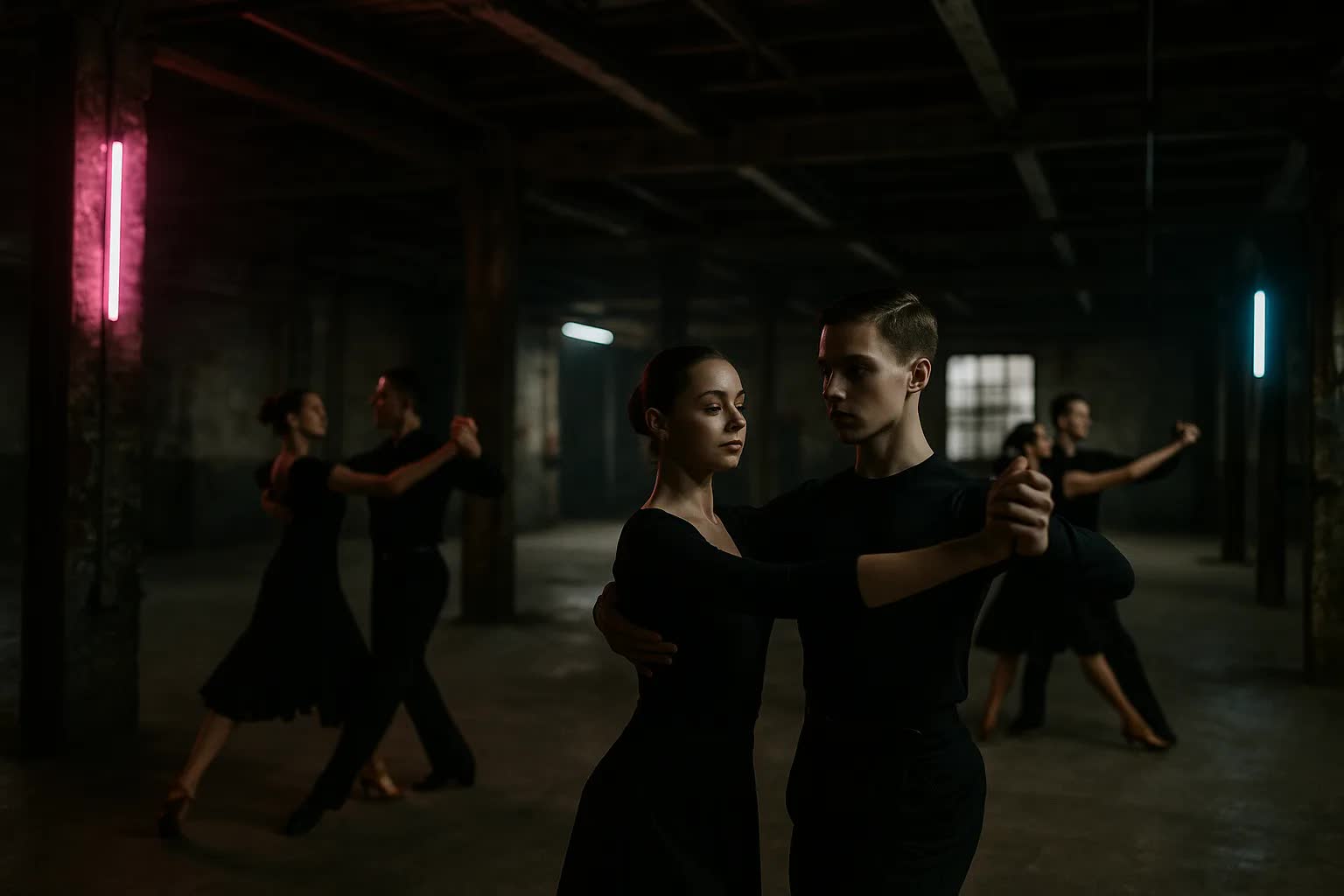
NEW YORK — After a half-dozen beloved clubs closed their doors in Williamsburg, Bushwick and northern Brooklyn over the last three years, ball culture organizers have quietly repurposed a string of industrial buildings as new hubs for voguing, runway and practice houses, stitching a live circuit across Jefferson Street, Gowanus Canal frontages and the warehouses that line the Brooklyn Navy Yard and Red Hook waterfront.
Long associated with Harlem and Manhattan nightlife, balls have taken on a distinctly Brooklyn geography as organizers seek out high ceilings, loading docks and lower rents to host crowded runway categories and long Sundays of practice. The shift has been spurred by rising commercial rents in old club neighborhoods, redevelopment of lofts, and a series of noise-related closures that left many competing for a dwindling number of venues that could handle the sound, staging and late-night hours of ballroom events.
At 280 Jefferson St., a five-minute walk from the M train stop and the rebuilt Morgan Avenue corridor, a former printing plant is now called The Foundry, with a sprung dance floor, mirrored wall and a folding stage bolted to the loading dock. "We had to build the house from the floor up, literally and metaphorically," said Marquise "Q" Delgado, executive director of the House Coalition of Brooklyn, the organizers' network that helped secure the lease. "This is about more than parties — it's where young people learn performance, build leadership and get paid for a craft that used to be invisible."
The move into warehouses has required organizers to become quasi-developers — installing soundproofing, ADA-accessible bathrooms, sprinkler systems and professional electrical panels to meet Department of Buildings inspections. "We spent six months dealing with DOB paperwork and fighting for a certificate of operation that reflects what balls actually are," said Simone Ruiz, founder and floor captain of Velvet House, which now hosts weekly rehearsals in a converted warehouse off Third Avenue in Sunset Park. "It cost more than we thought, but it also made the space safer and more sustainable for everyone."
Concrete numbers tell the story of both strain and scale: between 2019 and 2025 an estimated 27 licensed nightclubs in Brooklyn closed or relocated, according to a countywide venue survey compiled by the Brooklyn Venue Trust; average asking rent for 5,000-square-foot industrial spaces in northern Brooklyn rose from roughly $60,000 a year in 2018 to about $220,000 in 2025; average retrofit costs for a fully code-compliant ballroom have ranged from $80,000 to $250,000 depending on needed upgrades; and a full-capacity ball in a retrofit space typically sells 350 to 800 tickets at prices from $12 to $45, supplemented by small vendor fees and donor support.
To spread those costs, organizers have stitched together a patchwork of revenue streams: membership subscriptions, sliding-scale door prices, concessions, classes run for local schools and small grants from newly created local arts funds. The Foundry and several other sites have formalized partnerships with neighborhood businesses — coffee shops on Atlantic Avenue and a caterer in Gowanus — to supply food and staffing, and some landlords now offer stepped rent schedules or light industrial zoning breaks in exchange for community benefit agreements.
Not everyone is immediately thrilled by the change. Residents in parts of Gowanus and Red Hook have filed three noise complaints this winter, and community boards have begun demanding detailed operations plans and parking mitigations for weekend events. "We're trying to be good neighbors and we know there's a learning curve," said Ethan Clarke, owner of Clarke Industrial Properties, which leases two buildings used for balls in northern Red Hook. "Long-term leases with responsible operators give us steady income and keep buildings occupied, but we also insist on strict noise controls and neighborhood hiring commitments when we sign these deals."
Beyond parties, the new warehouse venues are staking a claim as civic spaces: many host youth workshops with local schools in Bedford-Stuyvesant and Sunset Park, offer paid mentorships led by veteran ballroom performers and provide on-site health and legal resources on event nights. Elders of the scene have begun staging intergenerational feedback sessions in those same converted spaces, creating an apprenticeship model that organizers say helps sustain the culture as older performers retire or move on to other projects.
City policy changes have smoothed some transitions. A pilot program launched last year under a municipal initiative called the Cultural Reuse Initiative provided expedited inspection and modest grant support for 14 adaptive-reuse projects in Brooklyn, three of which are now home to regular balls; city planners and a coalition of organizers are negotiating a template lease and a standard operating handbook that would make it easier for new houses to secure space. Still, organizers caution that long-term viability depends on continued philanthropic support, responsive regulation and the willingness of landlords to offer below-market terms.
Organizers say the newly forged network of warehouses and practice houses is only the beginning: plans are already underway for a borough-wide ballroom festival in 2027 and for incubator spaces at the Brooklyn Navy Yard that would offer rehearsal studios and small production grants. "We're building an infrastructure so the next generation doesn't have to start from zero every time a club closes," Delgado said. "If we can keep these spaces affordable and anchored in neighborhoods, Brooklyn's ballroom scene will be stronger and more visible for years to come."