Brooklyn Breweries Hit by Hops Shortage and Tariff Costs
Local craft brewers are raising prices and altering recipes as imported hop varieties become scarcer and more expensive.
By Aaron Feldman · December 21, 2025 · 4 min read
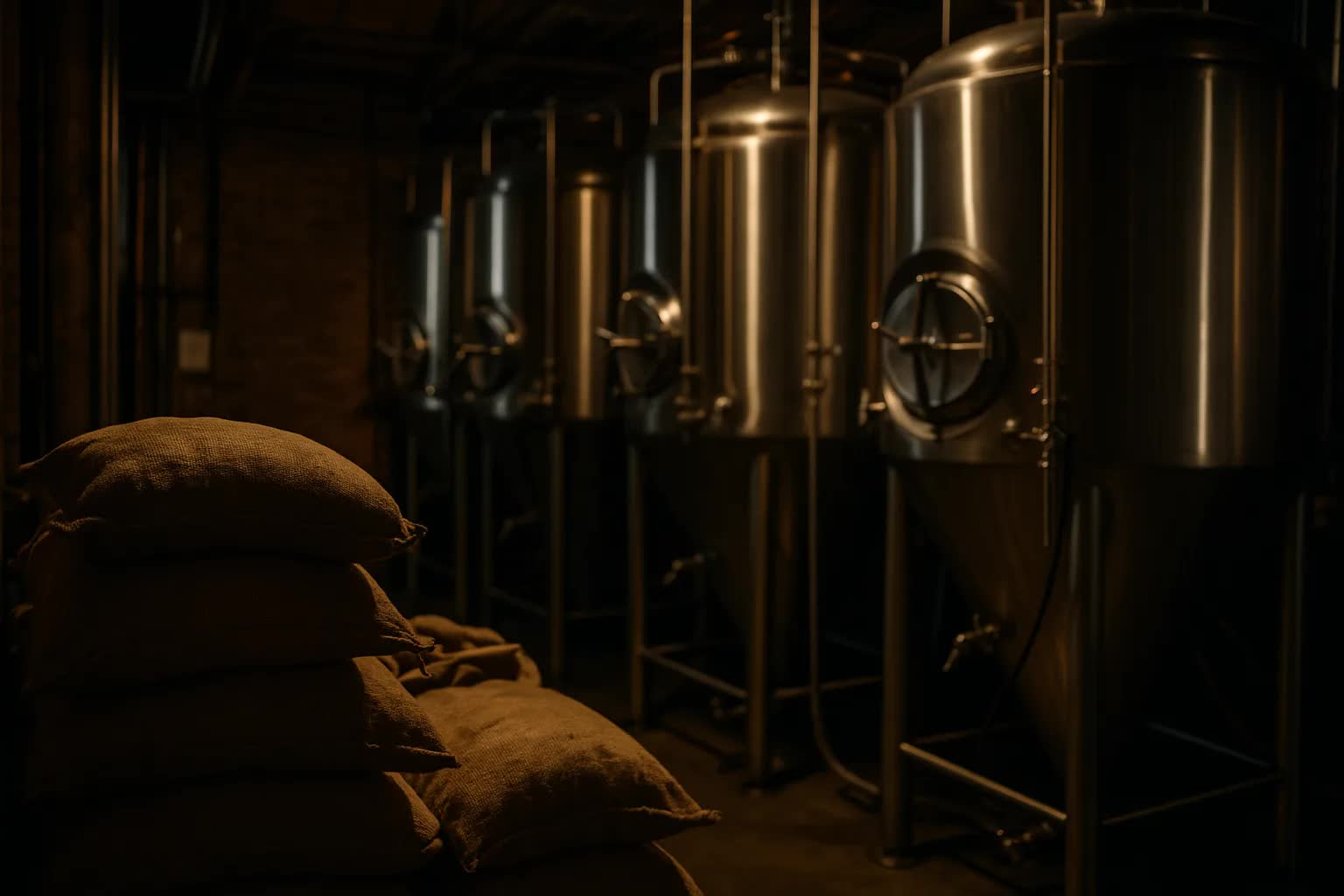
Brooklyn craft brewers from Williamsburg to Red Hook are scrambling as a global shortage of prized hop varieties and higher import tariffs squeeze budgets, force recipe changes and prompt menu price hikes across taprooms on Atlantic Avenue, near Industry City and along the Gowanus Canal.
At Ridge Street Brewing in Red Hook, head brewer Liam Caruso said the brewery has cut back on dry-hopping one of its flagship IPAs and is now blending in locally grown alternatives. "We had to change the recipe three times this season just to keep the flavor profile recognizable," said Caruso, who co-owns the six-barrel brew house on Van Brunt Street. "Customers notice, but they generally stick with us when we explain why. They know the wholesale cost of those imported hops has gone through the roof."
The numbers behind the crunch are stark. Imports of specialty hops from Germany, New Zealand and the Pacific Northwest dropped an estimated 28 percent between January and October 2025 compared with the same period in 2023, according to a supply-chain analysis compiled for the New York Brewers Alliance. The average cost of imported aroma hops rose from about $10 per pound in 2022 to roughly $22 per pound this year. A survey of 62 Brooklyn breweries conducted in November found 70 percent had raised taproom prices by an average of 12 percent and that 45 percent had temporarily retired at least one hoppy beer from their year-round lineup.
Tariff policy is a major driver. Importers say a package of agricultural tariffs enacted in mid-2024 has pushed landed costs higher even as ocean freight rates eased from pandemic-era highs. "The tariff added nearly 18 percent to our landed cost on certain European hop varieties, and when you add trucking, cold storage and brokerage fees, a single pallet of premium hops can cost two to three times what it did three years ago," said Nadia Rahman, founder of Gowanus Hopworks, a Brooklyn-based importer and distributor that operates a warehouse near the Ninth Street pier. "We used to be able to predict pricing on a season-by-season basis. Now it's volatile."
The squeeze is being felt across neighborhoods where craft beer is part of the local economy and culture. In Bushwick, a small brewer on Irving Avenue has turned its sought-after double IPA into a quarterly special to conserve inventory. In Greenpoint, a bottle shop owner on Franklin Street said distributors are imposing minimum-order requirements on scarce hop-forward beers, nudging smaller bars to broaden their beer lists toward lower-hop styles. Taproom operators on Atlantic Avenue and in DUMBO reported quieter weekday traffic as customers assess higher pour prices.
Distributors and wholesalers say the problem is not just tariffs but also a thinning global crop. Growers in the Yakima Valley and hop farms in Germany reported smaller yields this growing season, and New Zealand shipments have been delayed by port congestion and stricter phytosanitary inspections. "There are fewer of the classic varieties we all grew up on," said Marco Silva, sales director at Harbor City Distributors, whose fleet serves Manhattan and Brooklyn. "We can substitute, but it's a long process to match bitterness, citrus or floral notes. That can change a beer buyers' perception overnight."
Smaller operations are making tough choices. Ridge Street Brewing cut staff scheduling in December and is shifting its canning runs toward lighter lagers that require fewer hops per barrel, while larger regional brewers are absorbing costs or negotiating long-term contracts with growers in the Pacific Northwest. Several craft brewers in Park Slope and Carroll Gardens said they were experimenting with hop-forward adjuncts — citrus peels, local herbs — to mimic flavors without relying exclusively on scarce imports. Even so, several brewers reported thinning margins and delayed plans for taproom expansions.
Municipal and private initiatives are beginning to respond. A cooperative project led by the Brooklyn Agricultural Collective announced a pilot rooftop hop yard in Sunset Park to test urban-grown varieties adapted to New York summers. Local universities and extension programs have offered to help brewers with small-batch hop cultivation, and a handful of Brooklyn breweries have signed multi-year contracts with a cooperative of Pacific Northwest growers to secure priority allotments next season. "We're planting the seeds for resilience," said Asha Patel, owner of Ninth Street Taproom in Park Slope. "It won't replace imports overnight, but community-based supply helps dampen shocks."
For now, brewers and drinkers alike are bracing for a transition. Expect more rotating tap lists that favor lower-hop styles through spring, continued price adjustment at bars and grocers, and a push for policy relief by industry groups that want tariff waivers or targeted subsidies to offset the added costs. Back in Red Hook, Caruso said Ridge Street Brewing is already plotting its 2026 season with mixed sourcing strategies, rooftop trial plots and a few seasonal collaborations to keep customers engaged. "We brew to make people happy and to keep our team employed," he said. "This year taught us that flexibility is as much an ingredient as hops."