Brooklyn DIY Venues Keep Punk and Indie Scenes Alive Despite Rising Rents
Longstanding DIY spaces in Williamsburg and Bushwick are adapting with membership models and pop-up shows to survive neighborhood redevelopment.
By Omar Haddad · May 3, 2026 · 4 min read
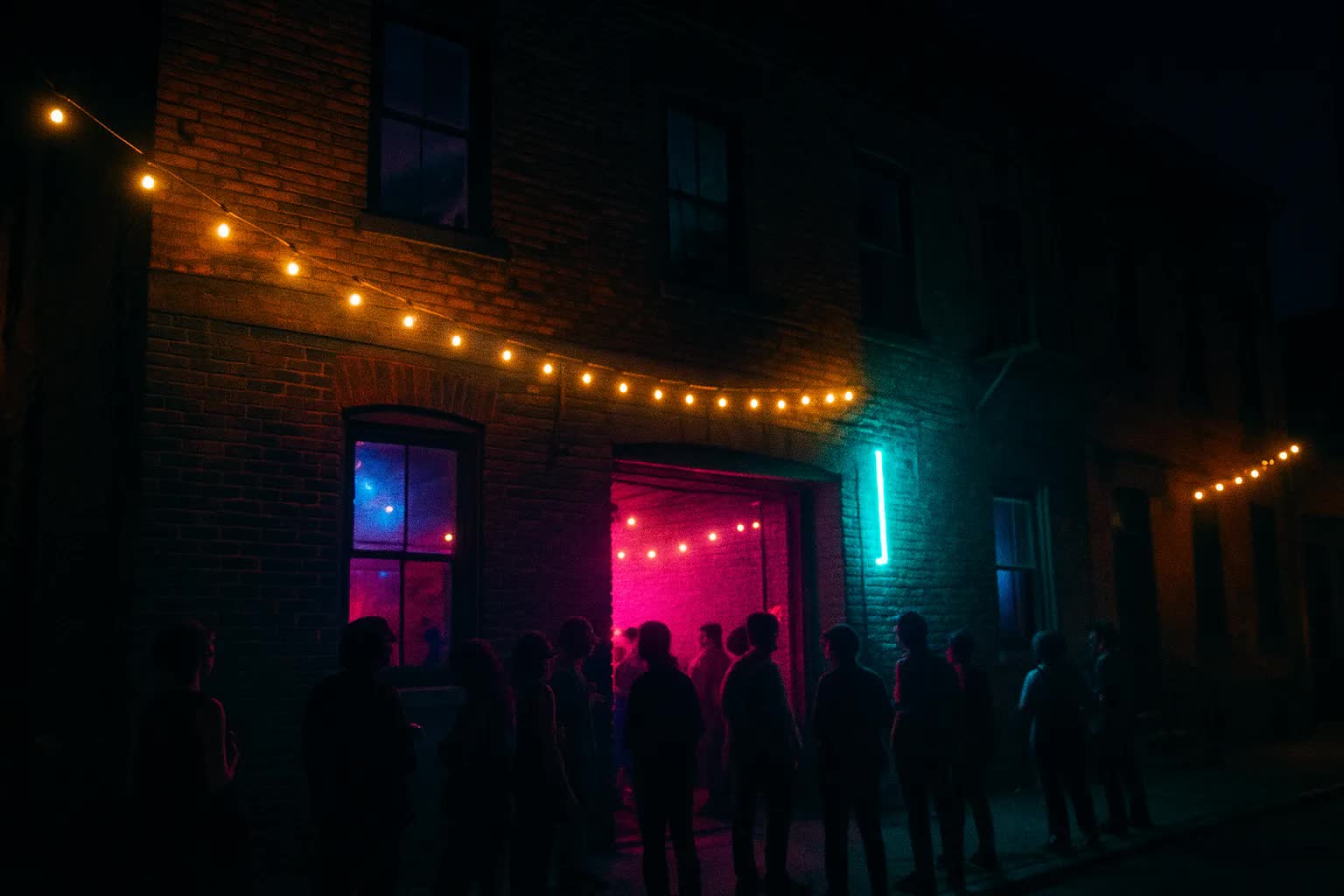
NEW YORK — In the neighborhoods that helped define Brooklyn’s indie and punk revival, DIY music spaces are increasingly becoming exercises in creative survival as much as art. Along Bedford Avenue in Williamsburg and down a rung of side streets off Flushing Avenue in Bushwick, promoters, musicians and small landlords are cobbling together membership programs, curated pop-up weekends and limited-capacity shows to keep venues open as redevelopment drives up rents and displaces longtime spaces and the communities that sustain them.
For almost two decades, basements behind brownstones and former industrial lots have been the training grounds for bands, experimental theater and grassroots festivals across North Brooklyn. Spaces such as the Freight Loft in East Williamsburg, the Neon Basement near McCarren Park and a scattering of house shows around Bushwick’s Morgan Avenue corridor cultivated scenes defined by loose booking, late-night sets and an ethic of low cost and low barriers. Those conditions, residents say, are under siege as in-town investment and new luxury housing raise commercial lease rates and encourage stricter landlord oversight.
The scale of the pressure is sharp and measurable: average commercial rents in North Brooklyn climbed about 72 percent from 2016 to 2025, according to figures compiled by a local landlords’ association and three venue operators; Graham Avenue storefronts that once leased for roughly $28 per square foot in 2015 now fetch about $48 per square foot on new five-year leases. Venue-operators report that permit and insurance costs have doubled in the last four years for venues hosting more than 75 people, and that they have closed 12 DIY venues across Williamsburg and Bushwick since 2019, representing roughly 40 percent of the scene’s capacity during its peak years.
Faced with those trends, organizers are turning to membership models to create predictable revenue and limit liability. "We introduced a tiered membership last year; for $60 a year members get discounted tickets and priority booking," said Ava Chen, co-founder of the Freight Loft and a longtime booking director, "It’s not a silver bullet, but it gives us a baseline so we can sign a short-term lease without hemorrhaging cash during winter months." Membership programs have also helped venues rebuild trust with neighboring residents by limiting how often shows run and creating a vetted community of attendees.
Pop-up shows and neighborhood partnerships are another adaptation. Promoters are staging one-off nights inside cafes, collaborative art spaces and even outdoor lots next to Domino Park, rotating locations to avoid the full burden of a long-term lease. "We do a month of Thursday gigs at a coffee shop on Graham, then a two-week run in a storefront on Flushing before going dark," said Tessa Marquez, booking director at Neon Basement. "The model keeps artists working and keeps audiences engaged, and it allows us to renegotiate costs with host businesses based on actual turnout rather than theoretical rent."
The DIY ethos is also running into zoning and regulatory constraints that can be as lethal as market forces. Organizers say obtaining temporary event permits, sound variances and the necessary liquor licenses requires months of paperwork and payments that small operators cannot always afford. "We lost two shows because the permit schedule changed at the last minute," said Marcus Delaney, a landlord and principal at Blue Ridge Properties, which owns several mixed-use buildings in Bushwick. "Owners want to support culture, but they also have to mitigate liability; insurance demands and noise complaints push them away from long-term agreements with DIY promoters."
Economically, the DIY spaces rely on a fragile mix of door revenue, bar sales and niche sponsorships. Typical capacity for a backyard or basement show in Bushwick is between 60 and 120 people; with average ticket prices ranging from $8 to $15, nightly gross from tickets often falls short of cover for rent, staff and insurance unless the bar and merch sales are strong. A recent fundraiser by Grit House, a DIY collective on Withers Street, raised $18,300 in two weeks, enough to cover three months of rent and two months of staff pay, but organizers said the frequency and unpredictability of such drives make them unsustainable as a long-term strategy.
The cultural calculus extends beyond economics. Musicians and community leaders argue that the spaces are vital civic infrastructure that provide rehearsal rooms, affordable booking and mentorship for emerging artists. Local arts coalitions have begun pushing city councilmembers for tailored relief — including expedited temporary-use permits and a municipal fund to subsidize insurance for small venues — though advocates concede policy change will be incremental. Meanwhile, collaborations with neighborhood businesses and arts incubators have led to hybrid programming: daytime children’s workshops followed by evening shows, and residency programs that allow artists to develop material in exchange for community presentations.
The resilience of Brooklyn’s DIY scene may depend on its ability to institutionalize some of the improvisational practices that sustained it informally for years. Organizers say they are exploring multi-venue cooperatives, shared storefronts and even leasing consortiums that would spread risk across several operators. "We’re not going to stop making noise, but we have to be smarter about how it’s financed and how we work with the neighborhoods that host us," Chen said. As spring turns to summer and outdoor capacity inches up, the scene’s future will likely hinge on a mix of civic accommodations, creative business models and the stubborn willingness of artists to keep showing up.