Brooklyn Light Manufacturers Pivot Toward Electric-Vehicle Components
Small factories in Sunset Park and Gowanus are retooling to supply EV startups, creating new skilled-occupational demand in the borough.
By Kira Sato · December 8, 2025 · 4 min read
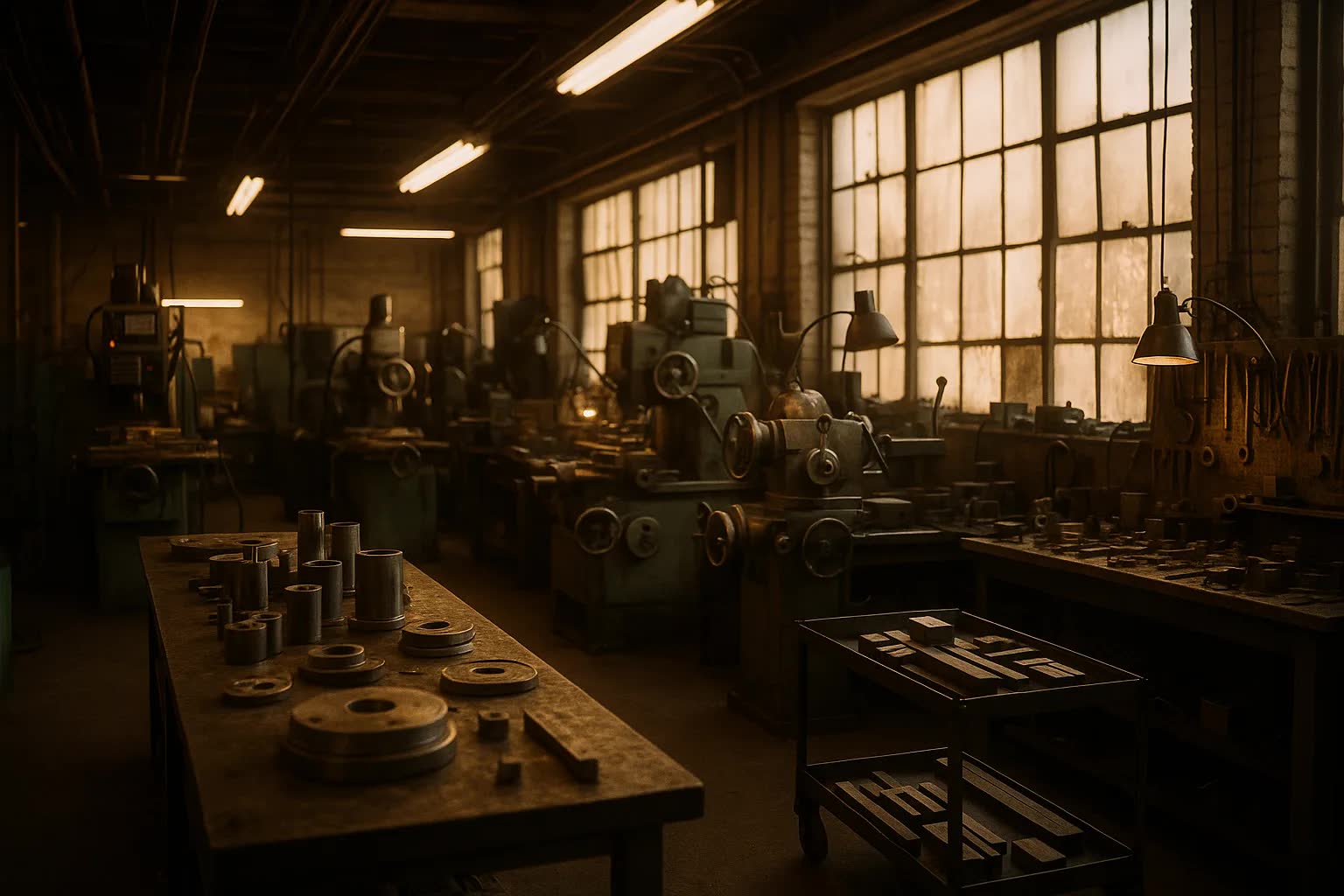
Brooklyn's industrial ribbons in Sunset Park and Gowanus are quietly being rewired for the electric-vehicle era, as small lighting factories that once made fixtures for Manhattan restaurants and brownstone restorations retool to supply a growing roster of EV startups. Along Third Avenue and the 39th Street corridor in Sunset Park, as well as in lofts and low-rise plants fronting the Gowanus Canal, metal shops that honed brass, aluminum and wiring for decades are now producing battery housings, thermal-management plates and charging-station enclosures for companies that want components close to the city they serve.
For years, businesses such as Beacon Lighting Works, LumaForge and Midway Fixtures—all family-run shops clustered between 2nd Avenue and the BQE—specialized in decorative and architectural lighting. Their shops have long been a training ground for machinists, sheet-metal workers and hand-wire technicians. Those skill sets are now in demand for a different reason: EV hardware requires precise welding, CNC milling and complex electrical harness assembly, all of which these factories already know how to do on a small scale.
Owners say the pivot is part practical and part opportunistic. 'We were a company that made chandeliers for Park Slope restaurants,' said Carlos Mejia, plant manager at Beacon Lighting Works in Sunset Park. 'When VoltFrame came looking for a prototype battery tray that needed to fit under a compact cargo van, our team realized the same fixtures and jigs could be retooled. It's not just about making metal. It's about tolerances, cooling channels and safe wiring.' Beacon and several neighbors have swapped decorative art templates for CAD files and thermal-simulation software in the past 18 months.
Startups and small EV assemblers based in Brooklyn and Queens have sought nearby suppliers to shorten lead times and to iterate designs quickly. VoltFrame, an electric delivery-van maker that occupies a small garage facility in Red Hook, has partnered with HarborTech Components in Gowanus to prototype fast-charge module housings. 'Having a partner that can turn a part around in a week rather than a month changes how we design,' said Aisha Rahman, founder and chief engineer at VoltFrame. 'Proximity to skilled fabricators in Brooklyn lets us test cooling geometries and electrical isolations with real parts, not just simulations.'
The scale of the shift is modest but measurable. NYDailyWatch reviewed city business registrations and conducted interviews that indicate roughly 18 small lighting and metalwork shops in Sunset Park and Gowanus have submitted equipment-upgrade permits or supplier agreements with EV firms since early 2024. Those conversions have created an estimated 420 new skilled positions across the two neighborhoods, up from about 270 such jobs in 2023, and increased small-factory capital expenditures by an estimated $7.2 million, largely for CNC machines, robotic welders and UL-rated test chambers.
Manufacturers say the technical and regulatory hurdles are steep. Moving from a fixture that meets a homeowner's eye to a battery enclosure that must pass crash, puncture and thermal-abuse tests means shops must invest in new tooling and certifications, and in some cases hire outside engineers. 'We had to install a vibration table and an environmental chamber to simulate extreme conditions,' said Mei Lin, operations director at LumaForge, which now makes busbar supports and sensor housings. 'The upfront cost was significant, but the orders we're getting from regional EV assemblers justify it.'
To meet demand, local workforce programs and vocational schools have expanded relevant training. Brooklyn TradeWorks, an Industry City nonprofit, runs a 10-week apprenticeship that teaches CNC programming, TIG welding and electrical harness assembly; the program doubled enrollment this year. 'People who cut their teeth on decorative metalwork have transferable skills,' said Jamal Ortiz, director of workforce development at Brooklyn TradeWorks. 'We're seeing a broader cross-section of applicants, from mid-career electricians to recent graduates who want hands-on fabrication work tied to clean-tech.'
The transition has altered neighborhood economies. Small suppliers that sold lamp shades to interior designers are seeing steady orders from firms that supply charging poles and battery packs to local delivery fleets. Rents for light-industrial bays off Third Avenue and in northern Gowanus have ticked up as demand for short-run prototyping and testing space grows, prompting some longtime tenants to negotiate leases or relocate to industrial parks in Sunset Park and the Brooklyn Army Terminal. Residents along the canal have voiced concern about increased truck traffic and night shifts, while business improvement groups emphasize job creation and cleaner technology work compared with older manufacturing activities.
City and state incentives for electrification and advanced manufacturing have helped accelerate the conversions but have not eliminated risk. Many shop owners describe a precarious early-adopter phase where small orders fund the purchase of expensive equipment and certifications. Still, factory owners and startup partners say the proximity to market, the availability of skilled fabricators and a local culture of iterative engineering give Brooklyn an edge. Over the next two to three years, those involved expect more formal supplier networks to form, with consolidated testing hubs and expanded apprenticeship pipelines that could anchor a modest but durable EV hardware cluster in the borough.