Brooklyn Recycling Yards Face New Lead Inspections After Nearby School Soil Tests
Parents and elected officials demand stricter oversight of metal-processing sites that schools say may have contributed to elevated lead levels.
By Rashid Karim · April 2, 2026 · 4 min read
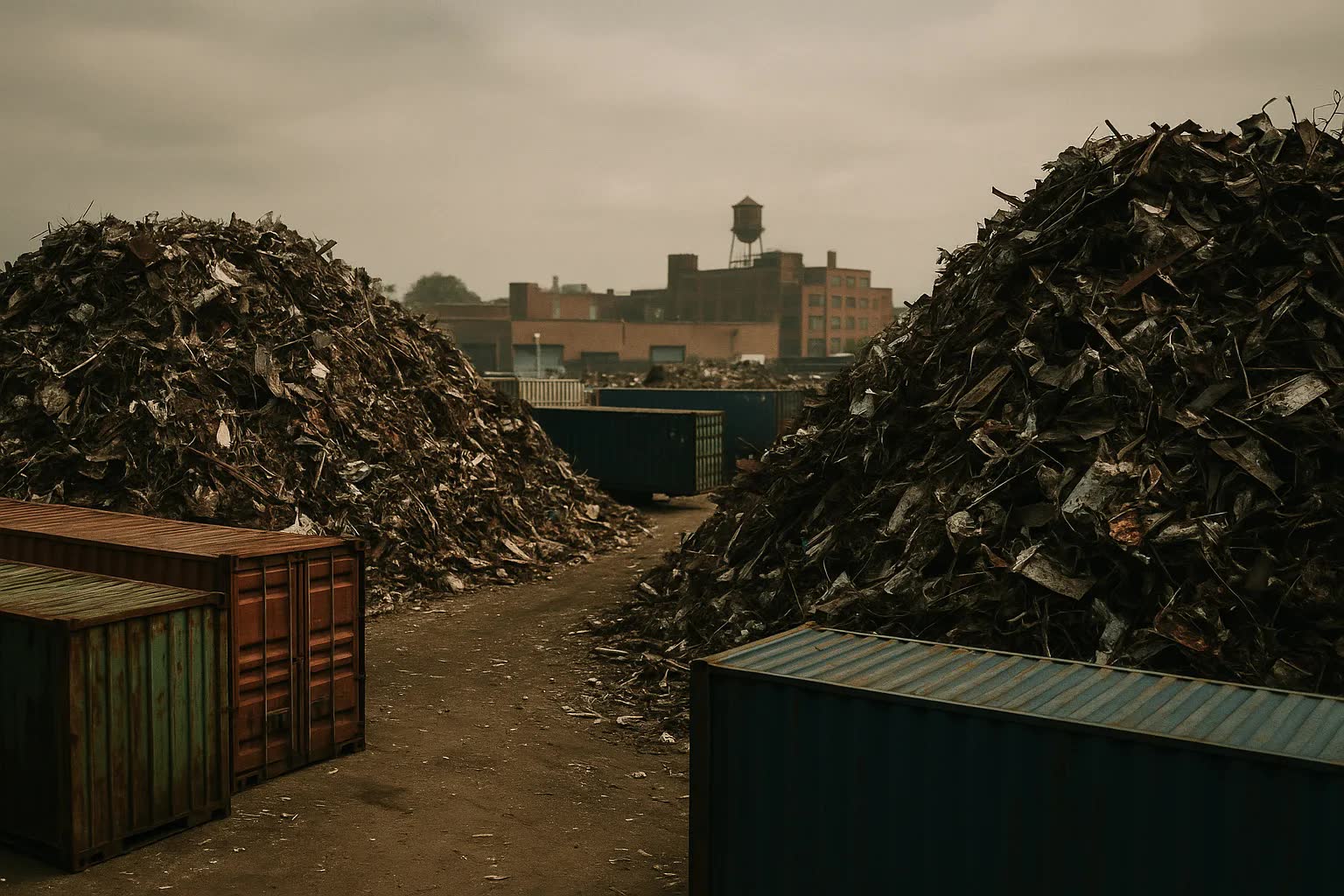
NEW YORK — Soil tests at a Sunset Park elementary school that found elevated lead concentrations this winter have prompted city regulators to open a new round of inspections at metal‑processing and scrap yards across Brooklyn, officials said Thursday, sharpening scrutiny of industrial corridors that sit cheek by jowl with playgrounds, bodegas and rowhouses from Red Hook to Greenpoint.
The Department of Environmental Protection, working with the Department of Health and Mental Hygiene and the Department of Sanitation, said crews would begin targeted inspections of more than two dozen recycling sites within a mile of public and parochial schools, focusing first on yards near P.S. 312 Sunset View Elementary on Second Avenue and the Industry City cluster along 65th Street and Ninth Avenue.
"Parents have been telling us for years that dust and heavy equipment were making our block feel unsafe for children," said Maria Torres, president of the Sunset View Elementary PTA. "These test results finally put numbers to what we suspected. We want the city to act fast — not in months, but days."
The initial sampling at the Sunset View play area detected lead in surface soil up to 1,150 parts per million (ppm) in small hotspots and an average concentration of roughly 420 ppm across the areas closest to the western boundary of the schoolyard. City protocols flag 400 ppm as the level at which soil in play areas is considered a hazard, and officials said follow‑up tests at nearby sites found readings between 280 ppm and 820 ppm depending on proximity to metal‑grinding operations and unpaved lots.
The yards under scrutiny are part of a dense web of scrap, salvage and metal‑processing businesses concentrated along stretches of Third Avenue near the Brooklyn Army Terminal, along the western flank of the Gowanus Canal and in sections of Bushwick and East New York. Those operations crush, shred and sort metal onsite, activities that, when uncontrolled, can generate fine particulates that settle as dust on nearby streets and properties.
"We process material to spec and maintain dust controls, but we know our neighbors are worried, and we take that responsibility seriously," said Jorge Valdez, general manager of Harbor Metals, a mid‑sized processor on 65th Street. "We welcome inspectors and will cooperate with any reasonable mitigation plan, but enforcement must be consistent across all operators so compliant businesses are not penalized unfairly."
Elected officials from Brooklyn joined parents at a news conference at Sunset View on Thursday to demand stricter oversight, clearer enforcement milestones and a review of zoning that allows heavy industry so close to schools. "This is about the right of children in Sunset Park and Red Hook to grow up free from preventable environmental harm," said Councilwoman Aisha Rahman, whose district includes portions of the affected corridor. "We need a timetable for inspections, remediation and funding for soil replacement where needed."
Public‑health experts who reviewed the initial reports said the numbers are worrying because even low‑level lead exposure can impair learning and behavior in young children, and because lead dust accumulates over time. "A single reading is a wake‑up call, but the real concern is chronic exposure," said Dr. Harold Kim, director of environmental health at Borough University. "We recommend expanded blood‑lead screening for children at the nearby schools and immediate measures to prevent further migration of contaminated dust from industrial lots to play areas."
The city's enforcement history shows a patchwork of inspections and fines that advocates say has been too sporadic to deter repeat violations. Between 2018 and 2025, municipal records reviewed by reporters show at least 38 notices of violation issued to metal‑processing sites across Brooklyn for dust control or fencing violations, with administrative penalties ranging from $2,500 to $45,000 and an average fine of roughly $12,700. City officials acknowledged staffing limits have constrained routine monitoring and said the new effort would reallocate inspectors for spot checks and follow‑up sampling.
Officials said the immediate plan is to complete the first phase of inspections and publicly post results within four weeks, while schools in affected zones will get expedited soil remediation budgets if hazards are confirmed. Community advocates and school leaders say they will be watching for concrete timelines and budget commitments, and they expect a public hearing next month where parents, business owners and elected officials will press for stronger buffer zones, air‑monitoring requirements and an overhaul of permitting for metal recycling operations near sensitive sites.