Brooklyn Vinyl Presses Answer Demand with Late-Night Runs
A clutch of neighborhood pressing plants are operating around the clock to serve local labels, DJs and collectors fueling the city's renewed vinyl market.
By Kira Sato · January 19, 2026 · 4 min read
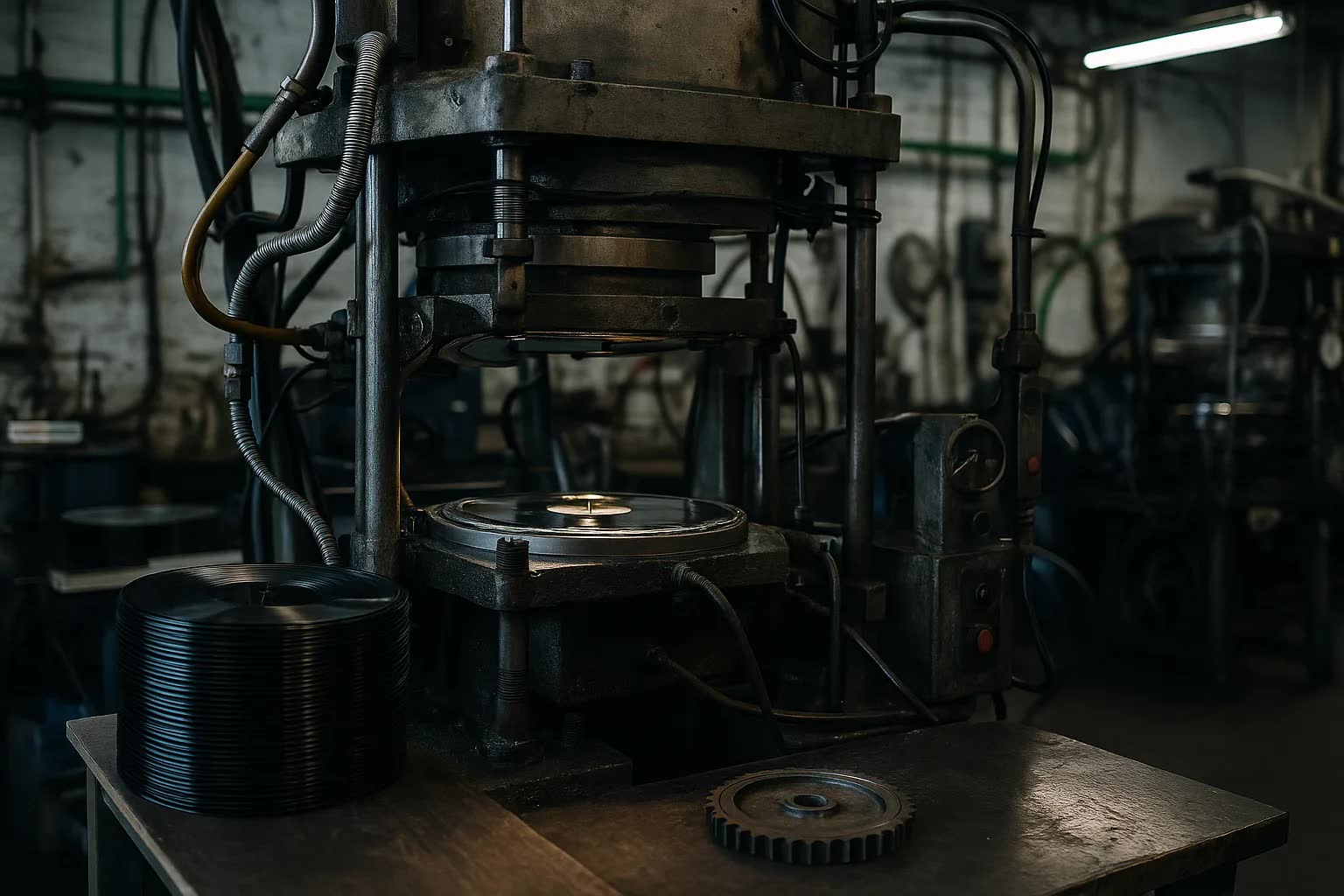
On a cold January night in Williamsburg, the thump of presses drowns out the distant rumble of the L train as a clutch of Brooklyn pressing houses move into overtime to keep up with demand from local indie labels, club DJs and obsessive collectors; the late-night runs have become part of a new nightlife economy that stretches from Bushwick's light industrial blocks to the brownstones near Prospect Park.
Inside a converted warehouse on Flushing Avenue, workers in ear protection tend to a row of hydraulic presses while racks of fresh black discs line the shipping area, addresses scrawled for stores on Atlantic Avenue and record collectors in Greenwich Village and the East Village. Plants such as Greenpoint Pressing Co., Bushwick Soundworks and Atlantic Vinyl Lab have shifted to staggered overnight crews and weekend marathons, and small diesel forklifts ferry crates past murals and coffee shops that stay open to serve the night staff.
Hana Li, co-founder of Greenpoint Pressing Co., said the change was both a practical response to demand and a cultural one. "We started 24-hour shifts because labels don't want to wait two months for a run — they want promos for a Friday night release party — and DJs expect same-week turnaround,
Li, who is 34 and lives in Bed-Stuy, added, "Running at night gives us flexibility with the supply chain and lets us use the floor when freight trucks can actually unload on Flushing Avenue without gridlock."
The numbers behind the shift are concrete: Brooklyn now hosts an estimated 14 independent vinyl pressing operations, up from six in 2019, and local plants report median weekly outputs of 800 to 1,400 records during peak production, compared with 300 to 600 during previous years. Average turnaround for a standard 300-copy run has shrunk to about 10 days for those who pay premium fees; overnight and weekend surcharges add 20 to 40 percent to bills. Plant managers say late-night shifts account for roughly 35 percent of total weekly output during winter months.
The clientele ranges from DIY labels in Bushwick pressing 200-copy runs to prominent electronic DJs ordering 1,000-copy club editions on colored vinyl. "If a DJ calls at midnight, we'll figure out how to make it happen," said Miguel Santos, head engineer at Atlantic Vinyl Lab on Atlantic Avenue, who described technicians swapping plates and queueing cold starts between 2 a.m. and 6 a.m. "There is a particular energy at night; the music world is awake when the city is quieter and the machines hum like synths."
The economics are messy but viable: late-night work commands overtime rates, and plants have raised prices to cover energy, bullets for stampers and the occasional rush on polyvinyl chloride pellets, yet owners say revenue from expedited runs has offset those costs. Local businesses along shipping corridors report increased sales; a diner on Bedford Avenue that closed at midnight two years ago now serves a steady stream of pressing-house staff until 3 a.m., and a letterpress shop on Myrtle Avenue has added record sleeves and die-cut jackets to its offerings for nearby labels.
The after-hours operation has also reshaped Brooklyn's music ecosystem. Small labels such as Sunset Harbor Records in Red Hook can press a limited-edition compilation and see it in shops in weeks rather than months, allowing local scenes to react to events and club trends with physical product. Residents of neighborhoods like Gowanus and Crown Heights have noticed a new kind of supply chain: mastering studios, visual-arts shops and freight handlers now orbit the plants, and music venues can tie release dates to immediate vinyl availability for ticketed shows and pop-ups.
The rapid expansion has not been without tension. Zoning officers have fielded noise complaints near mixed-use blocks along Flushing and Atlantic avenues, and environmental inspectors are more visible on late-night rounds. A plant manager who requested anonymity said permits and hours-of-operation rules are one area where policy has not kept pace: "We want to be good neighbors, but the old industrial rules weren't written with boutique pressing plants in mind," the manager said. Labor advocates have started conversations about predictable schedules as night shifts become routine rather than exceptional.
Technology and training are following the trend: several pressing houses have invested in newer semi-automated presses to increase reliability during long shifts, and a community training program at the Brooklyn Technical Audio Institute now offers evening classes on lacquer cutting and stamper care. Entrepreneurs are also experimenting with small-batch innovations — color runs, flexi discs for promotional drops and recycled-vinyl blends — that mingle craftsmanship with a faster production tempo, even as concerns about raw-material sourcing and long-term sustainability persist.
For now, the late-night presses are part of what keeps Brooklyn's nightlife and music culture spinning into the morning, and the operators say they plan to refine rather than abandon the model. Plants are negotiating bulk purchases of pellets to avoid rush pricing and exploring daytime partnerships with Queens and Manhattan labels to smooth workloads. "We see this as an expansion, not a phase," Hana Li said, "and next year we'll be adding a third shift and investing in greener equipment so we can keep meeting demand without sacrificing the neighborhood."