Campaign Cash Trail Raises Questions About Developers and Council Votes
Public records show a pattern of contributions from development interests coinciding with pivotal zoning decisions by the City Council.
By Kira Sato · April 9, 2026 · 4 min read
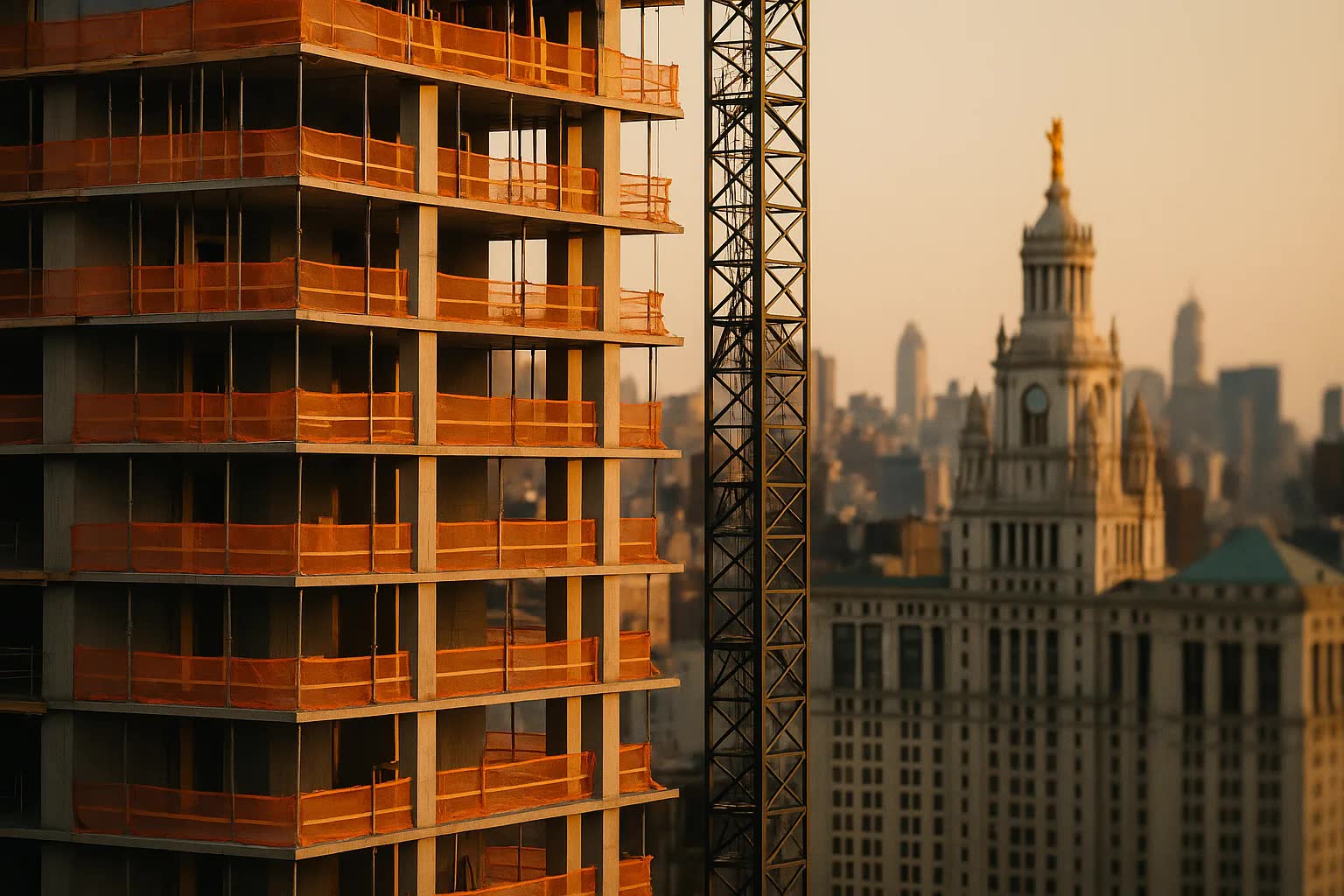
NEW YORK — Public records and campaign filings reviewed by NYDailyWatch show a recurring pattern: developers or development-linked political action committees funneling money to City Council campaigns in the months before critical zoning votes, often in neighborhoods where their projects stood to benefit. From Long Island City to East New York and parts of Sunset Park, the timing and recipients of those contributions have raised questions among residents, watchdogs and some council aides about whether campaign cash is shaping land-use decisions in ways that shortchange communities.
The pattern emerges across a series of contentious rezonings and special permits that rewrote the rules for height, density and affordable housing on corridors as varied as Atlantic Avenue in Brooklyn, Vernon Boulevard in Queens and the former industrial blocks of Gowanus. In at least half a dozen cases, council members who received contributions from entities tied to a developer voted in favor of rezoning packages that cleared the way for larger towers or higher floor-area ratios, sometimes by margins of two or three votes in chambers where every yea mattered.
The numbers compiled by NYDailyWatch show that between January 2019 and December 2025, at least 12 development-focused PACs and 47 executives listing construction or real estate firms as their employer gave a combined $2.7 million to 18 Council races. In 36 of 51 zoning-related Council actions during that period, at least one council member who cast a pivotal vote had received a contribution from a donor linked to a project within the same council district within six months of the vote. The median contribution from those development sources was $11,400; 14 separate donations were routed through limited liability companies that obscured the underlying business affiliation.
"When a council member hears from a developer at a fundraising reception on a Tuesday and votes on the developer's project the following month, it creates the appearance — and sometimes the reality — of influence," said Evelyn Cortez, executive director of Manhattan Neighborhood Alliance, a citywide community advocacy group. "Neighbors in places like Gowanus and East New York deserve to know whether a vote is about planning principles or campaign balance sheets. Transparency matters."
Council aides and developers push back on any suggestion that contributions buy outcomes. "Contributions are legal and heavily regulated; candidates are accountable to their constituents, not to donors," said Dante Morales, director of policy at the trade group Developers for Urban Growth, which represents several firms active in Brooklyn and Queens. "Complex projects undergo years of review by land-use staff, community boards and multiple city agencies. A donation to a campaign does not predetermine a land-use decision."
Public filings and interviewees describe how money can be moved. Several city filings reviewed by NYDailyWatch show donations made in the weeks before votes by entities with names tied to addresses — for example, a shell LLC using the same street number as a proposed tower — and by PACs seeded with contributions from a handful of developer principals. Fundraising events in Chelsea and Tribeca hosted by real estate executives and attended by candidates are cited repeatedly by community members as moments when informal pressure is applied.
Jordan Fields, senior analyst at Public Trust NYC, an ethics watchdog, said the overlap between donor identity and land-use outcomes is unmistakable in the data. "The cadence is clear: contribution, meeting, vote," Fields said. "Even when votes are driven by policy, the timing of these contributions erodes public confidence. Our recommendation to the Council and the Campaign Finance Board is stronger disclosure rules for donations linked to active land-use applicants and a public ledger of meetings between donors and city officials."
At City Hall, council staffers said the Council's Ethics Committee has opened preliminary inquiries into several instances flagged by reporters and activists. Chair Maia Chen, who leads that committee, declined to discuss specific cases but acknowledged broader concern. "We're reviewing how current rules are applied and whether additional safeguards, like mandatory recusal when a contributor has an active application, are warranted," Chen said in a statement. The Campaign Finance Board confirmed it has been asked by council staff to expedite a review of donations routed through LLCs.
For residents on the ground, the debate is less procedural and more existential. In Sunset Park, where a proposed waterfront mixed-use complex would replace low-slung warehouses, neighborhood groups say the project was fast-tracked after a campaign fundraiser hosted by the developer. "I grew up on 3rd Avenue and watched my block change into something my grandmother wouldn't recognize," said Ramon Delgado, president of Ridgewood Residents Association. "When votes happen after developers put money into campaigns, it feels like decisions are being made in private rooms, not at the community board."
The coming months will test whether the city moves beyond scrutiny to reform. Several council members have signaled interest in draft proposals that would require greater disclosure of donor ties to active land-use applicants, tighten limits on contributions funneled through shell entities, and create a public log of meetings between campaign donors and land-use officials; hearings are expected in mid-May. As lawmakers weigh those steps, neighborhoods from Flushing to the Lower East Side will be watching to see if the Council can restore confidence in how New York builds, or whether campaign cash will continue to trail the city's skyline and its politics.