Can More Capital Solve America’s Housing Affordability Crisis?
JPMorganChase is committing $750 billion to housing through 2035. But with 3.7 million units still missing from the market, the question isn’t whether the money is there—it’s whether it can build its way out of a supply problem.
By Iris Ye · August 6, 2026 · 4 min read
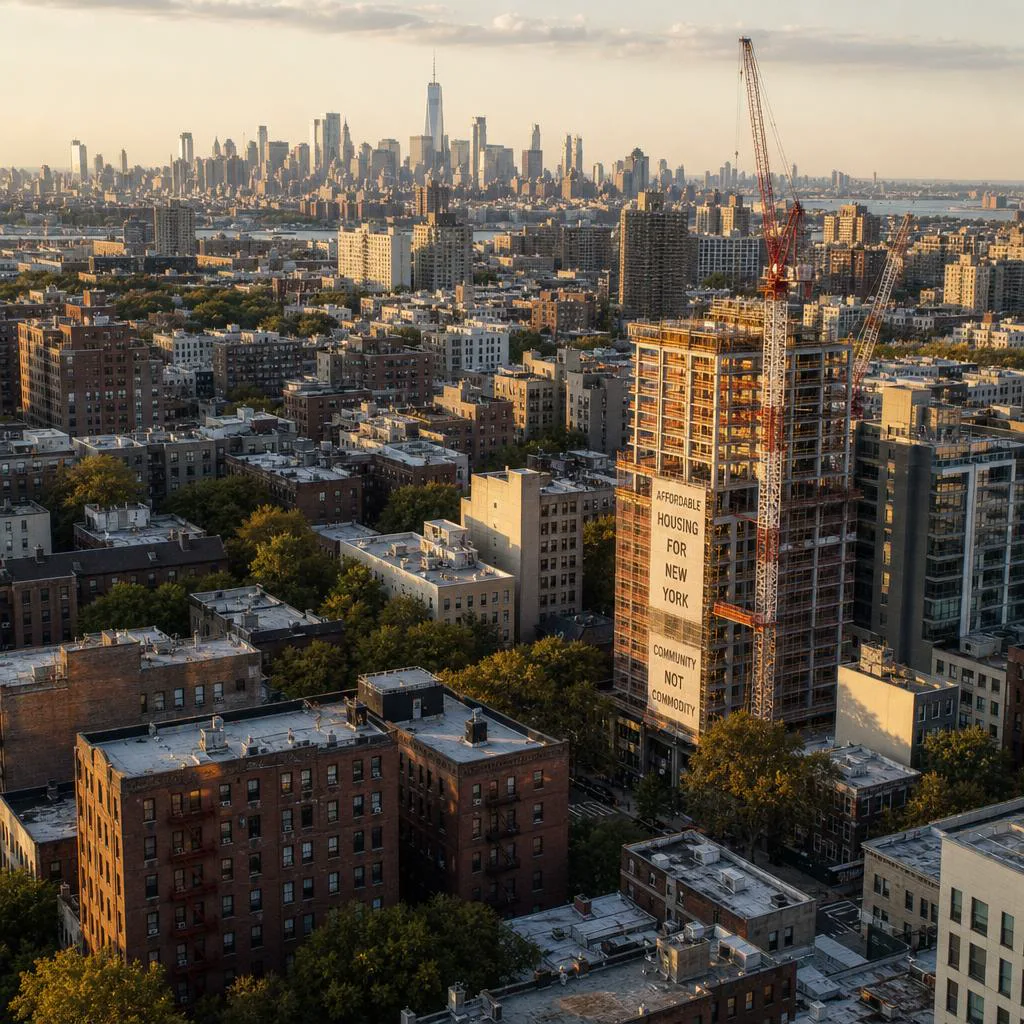
NEW YORK, Aug. 6, 2026 — One of America’s largest banks is preparing to put hundreds of billions of dollars into housing. But the scale of that commitment raises a larger question: Can more financing make homes affordable if the country still does not have enough of them?
JPMorganChase announced on Monday that it plans to deploy more than $750 billion through 2035 to increase housing supply and support homeownership across the United States. Part of its broader American Dream Initiative, the plan aims to finance the construction or preservation of 1 million affordable homes and help 500,000 customers purchase homes, including 200,000 first-time buyers.
The announcement comes as borrowing remains expensive. Freddie Mac reported Thursday that the average rate on a 30-year fixed mortgage rose to 6.69 percent, up slightly from 6.66 percent the previous week.
Yet interest rates are only one part of America’s affordability problem. Freddie Mac has estimated that the country was short about 3.7 million housing units relative to long-term demand as of the third quarter of 2024.
Even rising inventory does not necessarily mean buyers can find homes they can afford. A 2026 report from the National Association of Realtors found a persistent mismatch between the prices of homes for sale and household incomes. Its national Listing-Income Alignment Score reached 74.9 percent in March, improving from 66.7 percent a year earlier but remaining well below the pre-pandemic benchmark of 84.4 percent.

The problem, then, is not simply how many homes are available, but whether supply exists at prices households can realistically pay.
JPMorganChase’s plan reflects that distinction. Rather than focusing only on mortgages, the bank says it will use debt, equity and grants to finance housing, while also supporting down-payment assistance and new construction approaches. It is advocating policies including streamlined permitting, modernized building codes, greater use of underused land and public-private partnerships.
The structure of the initiative reflects a broader reality: housing affordability cannot be solved by cheaper or more abundant credit alone. If financing expands buyers’ purchasing power while the number of homes changes little, more money can end up competing for the same limited supply.
Capital has greater potential to ease affordability when it helps make projects viable that otherwise would not be built.
New York offers a particularly clear example of why finance and physical supply have to move together. The city’s most recent official Housing and Vacancy Survey put its rental vacancy rate at just 1.4 percent, the lowest since 1968.
City officials have repeatedly identified insufficient housing production as a central driver of the affordability crisis.
In July, the New York City Council approved land-use projects expected to produce nearly 3,250 homes across the five boroughs, more than half of them affordable.
Such projects illustrate both the potential and the limits of capital: financing can help housing get built, but it must operate alongside land-use approvals, faster development processes and policies that allow supply to expand.
America’s housing challenge is ultimately a question of both finance and construction. Lower borrowing costs can help households purchase homes, while private capital can help developers build them. But affordability will improve only if that money translates into more housing at prices people can actually pay.
The test for America’s next wave of housing investment will not be how much capital enters the market, but how much affordable supply comes out of it.