Chelsea Galleries Shift Toward Commercial Shows After Rent Spikes
Smaller experimental spaces are closing or changing formats as art dealers chase higher foot traffic and sales in a tightened market.
By Priyanka Rao · December 6, 2025 · 4 min read
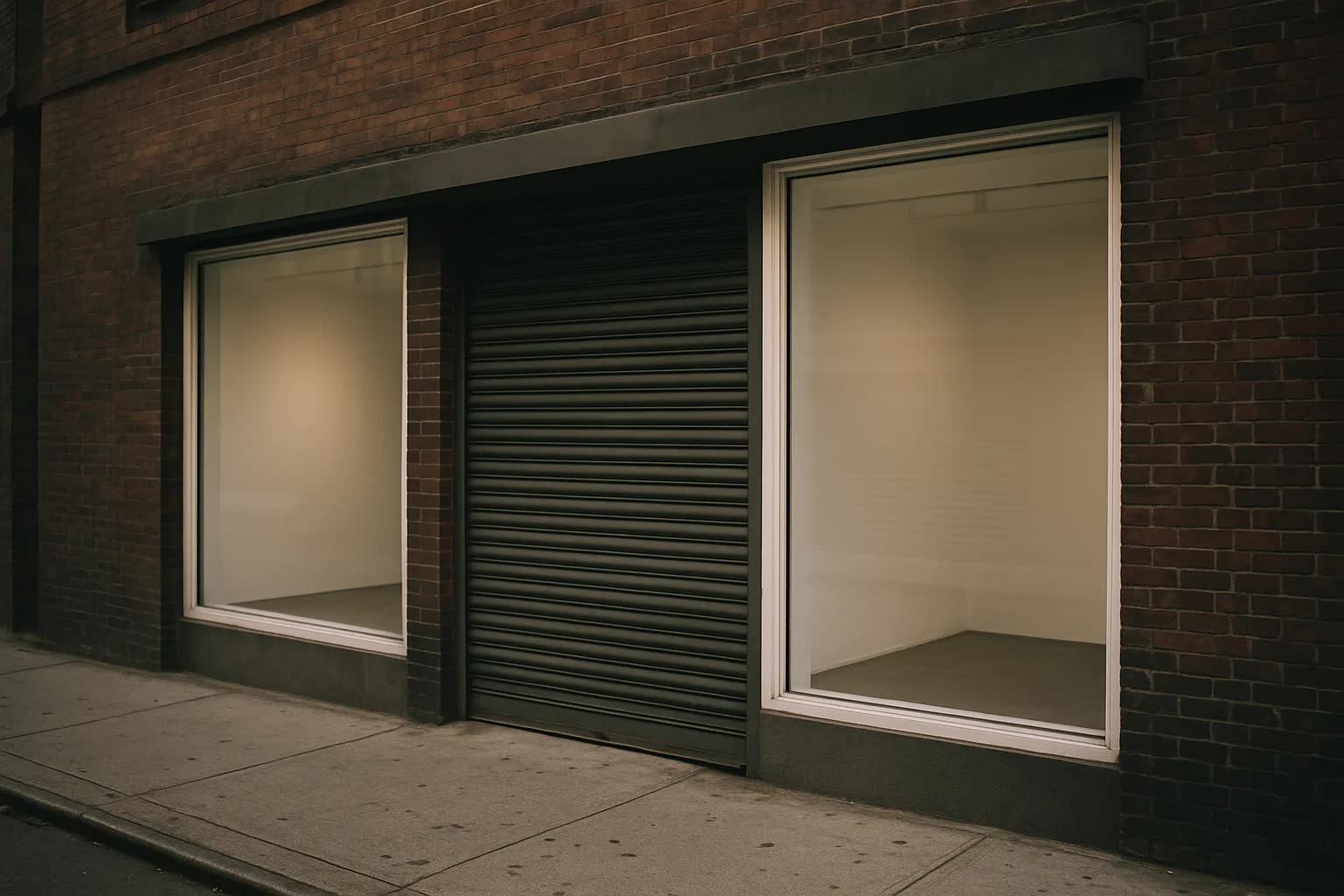
For decades Chelsea’s wide, sunlit storefronts between 20th and 28th streets and the industrial blocks along 10th and 11th avenues have been a home for experimental art shows that drew collectors and students alike; now, as commercial rents spike and landlords push for steadier retail tenants near Hudson Yards and the High Line, an increasing number of those risk-taking spaces are shifting toward commercially driven exhibitions designed to guarantee foot traffic and sales rather than avant-garde programming.
Gallery owners on West 20th Street and in the stretch near Chelsea Market say the change is visible on the street: brightly lit windows showing productized solo shows, longer-running blockbusters of decorative painting and pop-up collaborations with fashion brands, often replacing month-long installations of performance or video work that once distinguished the neighborhood.
"We loved doing midnight screenings and participatory pieces, but we needed rent to cover payroll," said Marta Leone, owner of Lumen Gallery on 24th Street, whose space has shifted to eight-week product-focused exhibitions and a small retail corner. "I don’t want to close, but you can’t run a program of experiments if you’re losing the lease every year. The math has changed."
The numbers driving those decisions are stark: average asking retail rents in the core Chelsea gallery district rose by roughly 30 percent between 2023 and 2025 to an estimated $92 per square foot, according to market tallies from local brokerages; at least 18 small, artist-run and experimental spaces have shuttered or converted to commercial galleries in the last two years, and several landlords have relisted former gallery units as retail storefronts with 10-year leases and escalation clauses that often price out nonprofit tenants.
Dealers who remain are altering formats. Several mid-sized galleries on 10th Avenue now schedule eight- to 12-week commercial shows with multiple price bands, produce limited-edition prints to sell in a gallery shop, or co-host exhibitions with design and lifestyle brands to broaden appeal beyond the traditional collector base. Some are opening subscription-based membership services that offer early previews and guaranteed purchases to a core group of buyers.
"Landlords are pricing risk out of the neighborhood and leasing to whoever brings a check that looks stable on paper," said Amara Singh, a senior broker at Hudson Lane Realty who specializes in art-space transactions. "That’s forcing programming to conform to what sells in the short term, which reduces tolerance for works that require time, audience education or unconventional presentation."
The city’s evolving foot-traffic patterns are contributing to the pressure, gallery directors say. With more tourists and office workers concentrated around Hudson Yards and the new residential towers along 11th Avenue, galleries located closer to 14th Street and the subway hubs draw more walk-ins; conversely, the quieter blocks farther west and south are losing the incidental viewings that once helped experimental shows find an audience, prompting some landlords to insist on tenants who will generate steady customer flow.
Online sales and digital viewing rooms, developed heavily during the pandemic, now coexist with the shift to commercial programming. Several Chelsea dealers interviewed said their online platforms accounted for 20 to 40 percent of sales last year, an important buffer that allowed them to keep riskier projects alive, but not a replacement for local foot traffic and the social energy younger artists say they need for ambitious work.
Artists and curators report a migration of the most experimental practices to other neighborhoods and boroughs, from the Lower East Side and Bushwick to emerging clusters in Gowanus and northern Queens, where lower rents and warehouse spaces allow for sound, performance and installation work at scale. Nonprofit presenters say their application lists are longer and more competitive as small experimental venues shrink; several collectives have formed co-op models and short-term pop-ups in response, sometimes staging shows in Chelsea but with funding partners to underwrite rent.
Looking ahead, neighborhood advocates and some dealers hope a mix of city incentives, landlord concessions and new co-operative models could preserve pockets of risk-taking practice in Chelsea even as commerce becomes more central to the district’s identity. The Chelsea Arts Coalition plans a spring pilot program next year that would subsidize short-term leases for experimental projects and pair them with marketing support to increase visibility; whether that will be enough to reverse the broader tilt toward commercial shows remains uncertain, but for many artists and small curators it offers the most tangible pathway back to a neighborhood they say still matters to the city’s creative ecology.