Chinatown Shops Move Sales Online to Reach Overseas Customers
Family-run retailers are investing in e-commerce platforms and shipping partnerships to offset declining walk-in traffic and tap diaspora demand.
By Ezekiel Harris · December 7, 2025 · 4 min read
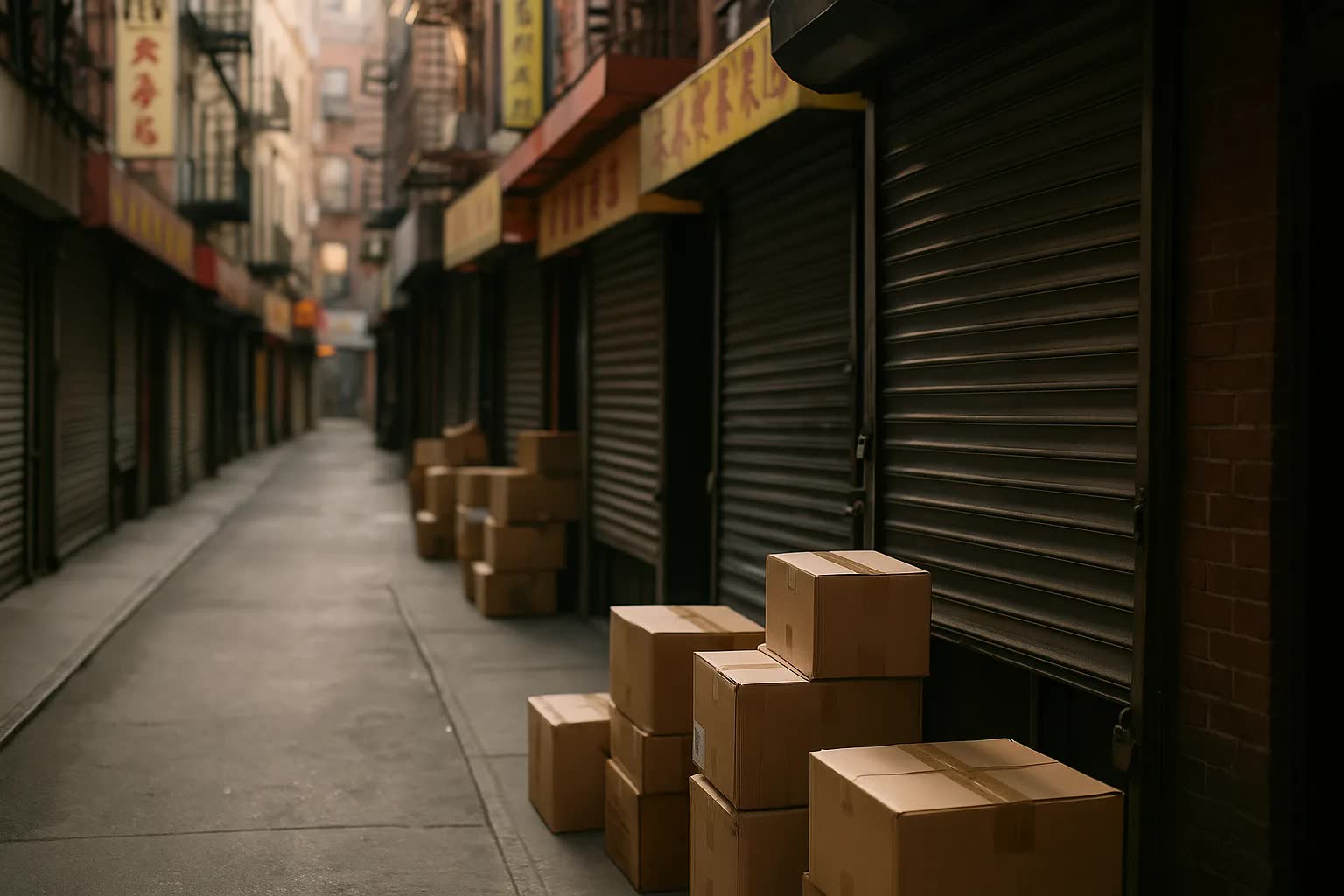
Lower Manhattan’s Chinatown, once sustained by steady streams of tourists and daily neighborhood shoppers along Canal, Mott and Pell streets, has accelerated a move to online commerce this year as family-run retailers seek overseas customers to make up for sagging walk-in traffic and evolving shopping habits across the city.
“We used to rely on people passing by, the smell of soup dumplings and the chime of the door,” said Liu Mei, owner of Golden Dragon Gifts on Canal Street. “Now my sister runs our website in the evening, and we ship more packages to Vancouver and Manchester than to Brooklyn. It keeps our payroll and the rent paid.”
Storeowners are investing in turnkey e-commerce platforms, hiring local photographers for product listings and subscribing to bilingual customer-service tools that can handle inquiries from Mandarin-, Cantonese- and Spanish-speaking clients. Small retailers have also formed informal alliances with neighborhood tech groups and shipping companies to create bundled offerings — pairing ceramics and tea with flat-rate international boxes and coordinated customs paperwork that earlier would have required a middleman.
The shift can be measured in stark numbers: since 2022, foot traffic on Canal Street between Mott and Broadway is estimated to have fallen by roughly 38 percent, according to a study commissioned by the Chinatown Business Alliance. In the same period, participating shops reported a combined 120 percent increase in online sales, with international orders rising to 60 percent of total transactions; average order value is about $86, and monthly digital-marketing spending among these merchants has climbed from roughly $200 to $1,500. Typical shipping times to major overseas destinations range from seven to 14 days, and merchants say returns average 3 to 4 percent of online purchases.
“There’s a cultural component to this work,” said Maya Chen, executive director of the Chinatown Business Alliance, which helps neighborhood stores build online catalogs and navigate export rules. “These are family businesses with a long memory. We’re not trying to erase the street-level experience; we are trying to preserve these businesses by connecting them to the global diaspora that still wants our products.”
Neighborhood nuances matter: shops on Mott and Doyers streets, where narrow sidewalks encourage wandering shoppers, have adopted hybrid models — windows reserved for local pickup and curated online drops for overseas buyers — while larger vendors in Sunset Park and Flushing have scaled fulfillment operations that serve both domestic retailers and international consumers. Restaurants in Two Bridges and East Broadway have experimented with packaged sauces and dry goods sold online, turning ephemeral dining experiences into tangible exports.
Logistics remain a hurdle. Fragile goods, loose textiles and perishable items present customs and carrier challenges, a reality illustrated by a recent partnership between Canal Street Shipping Co. and a Brooklyn fulfillment outfit called East River Fulfillment. “We consolidated small parcels into weekly pallets, improved packing materials for ceramics and negotiated lower international rates by volume,” said Jason Park, operations manager at East River Fulfillment. “For many of these businesses the math didn’t work until they had access to a fulfillment hub nearby.”
The digital pivot is also reshaping labor and skill sets inside family shops. Younger relatives who grew up in New York are often the ones designing storefronts on Shopify or selling through livestreams on platforms popular in Southeast Asia, while older proprietors oversee wholesale relationships and in-store customers. Community organizations such as the Chinatown Tech Collective now run evening classes on search-engine optimization, photography and international invoicing; a senior MTA planner who requested anonymity said the change in commuting patterns has made it harder for brick-and-mortar businesses to rely on subway-dependent foot traffic, reinforcing the need for off-street revenue sources.
Not everyone welcomes the change. Longtime residents mourn the loss of neighborhood serendipity and worry that digital success could accelerate gentrification if online profits are reinvested into higher-profile storefronts or sold to outside investors. City-level support has materialized in small grants and technical-assistance programs funded by a neighborhood innovation fund, but merchants say more durable aid — including subsidized fulfillment space and standardized international shipping agreements — would smooth the transition and keep ownership local.
For the many family-run shops that line the city’s narrow corridors, the next year will test whether a hybrid of street life and global sales can coexist. Owners across Chinatown say they plan to refine online menus, expand multilingual livestream events and deepen partnerships with local fulfillment centers, while continuing to keep morning tea and a small counter for neighborhood regulars. The hope is that an online reach that spans continents will eventually support the familiar clink of teacups on Mott Street and the steady pace of shoppers beneath the Manhattan Bridge.