Citi Bike Expansion to Staten Island Stalls Over Docking Regulations
Contractors and community boards clash over proposed dock placements and storm-resilience standards that could delay service for months.
By Marcus Thompson · January 26, 2026 · 4 min read
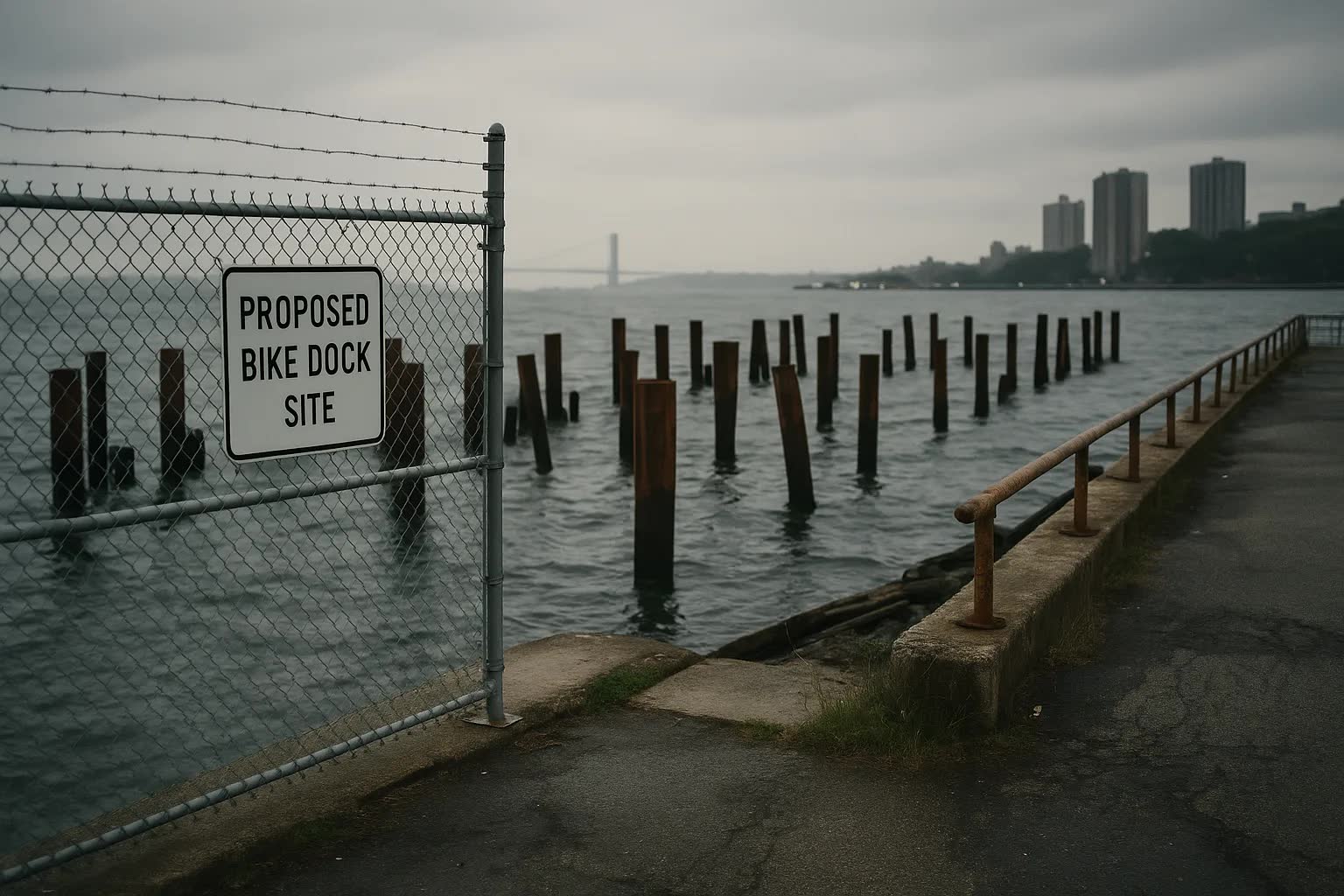
NEW YORK — Plans to bring Citi Bike docks to Staten Island have hit a regulatory snag that could push the service launch from spring into late summer or fall, city officials and contractors said, as disputes over where docks should sit and how high they must be built to survive future storms have hardened the standoff across St. George, Tompkinsville and New Dorp.
Citi Bike had been scheduled to expand to Staten Island this year under a city plan aimed at linking the borough to the rest of the system via the Staten Island Ferry and several ferry-adjacent stations, but the project’s contractor, Atlantic Dockworks, and multiple local community boards are at odds over a set of new docking and flood-resilience rules issued late last year by the city’s transportation office.
Neighborhood-level tensions have centered on placement decisions along Bay Street in St. George, the narrow sidewalks of Tompkinsville near the ferry terminal, and the busy Hylan Boulevard corridor near New Dorp Lane, where residents and business owners say proposed docks would replace limited parking and encroach on pedestrian pathways. Community boards have demanded alternatives that would move racks away from storefronts and school drop-off zones, while the contractor argues some proposed relocations are technically infeasible.
The other dispute is technical but consequential: the city has required that docking stations be elevated and anchored to meet a new storm-surge standard developed after Superstorm Sandy-era flooding studies. Contractors say the higher anchors, reinforced moorings and corrosion-resistant materials will significantly alter installation methods and raise costs; board members say basic elevation is necessary to protect equipment and riders during increasingly frequent coastal storms.
"We welcome Citi Bike, but not if the docks are going to make our sidewalks unusable or create hazards for schoolchildren," said Marisol Vega, chair of Staten Island Community Board 1, at a public hearing Tuesday night at the St. George Theater. "We’ve been clear about where these stations can go; what we have not been told is how much taller and bulkier the new designs are going to be — that matters for our streetscapes."
A senior DOT planner who requested anonymity said the agency is trying to balance community concerns with engineering realities. "The new post-storm standards were adopted to avoid the kind of disruption we saw in other coastal neighborhoods; they’re not optional, and they add complexity — but we’re working to find placements that serve commuters without overwhelming sidewalks," the planner said.
The numbers underscore the scale of the debate: the expansion originally called for 12 stations and roughly 200 docking points across Staten Island’s North Shore, with an initial budget estimate of $18 million and a target startup of May 2026. The new resilience requirements would raise the budget by an estimated $3.5 million to $5 million and add between three and six months to the construction timeline, according to city figures circulated to community boards and reviewed by this paper.
Atlantic Dockworks and two subcontractors, Harbor Anchor Co. and Coastal Foundations, have argued in internal memos that some recommended relocations would require deeper pilings and street regrading at locations such as Victory Boulevard and the area in front of the Staten Island Museum, triggering utility relocations and possible sidewalk reconstructions. City engineers have proposed smaller design adjustments — recessed docking bays and consolidated bike-parking islands — but those have not satisfied either contractors worried about structural margins or boards insisting on preserving curb space.
Local merchants are split. At Bay Street Coffee, owner Ravi Patel said the docks would likely boost afternoon and weekend foot traffic from ferry riders and residents walking to the waterfront, but he worries about the loss of two parking spots used by his suppliers. "If they put a big elevated platform right in front of my shop it’ll block sight lines and be a safety issue for older customers," Patel said. On the other side of the St. George Ferry Terminal, a landlord who manages two mixed-use buildings welcomed the idea of more visible bike access as a tool to reduce car trips and complement new ferry schedules.
City officials said they will reconvene formal negotiations next week with community boards, the contractor consortium and Citi Bike’s operator, Coastal Mobility Solutions, and that a resolutions committee has been created to evaluate alternative dock footprints and certification standards from third-party flood engineers. If a compromise isn’t reached, the DOT acknowledged, the rollout could slip past Labor Day; if it is, officials said, a phased opening of select stations could still begin on schedule. Either way, the debate is likely to shape how the city designs resilient micromobility infrastructure in other coastal neighborhoods as climate concerns persist.