City Council Considers Tightening Public Matching Funds Ahead of Mayoral Cycle
Proposed changes to the campaign matching formula would alter how small-dollar donations are amplified in municipal races.
By Maya Singh · January 22, 2026 · 4 min read
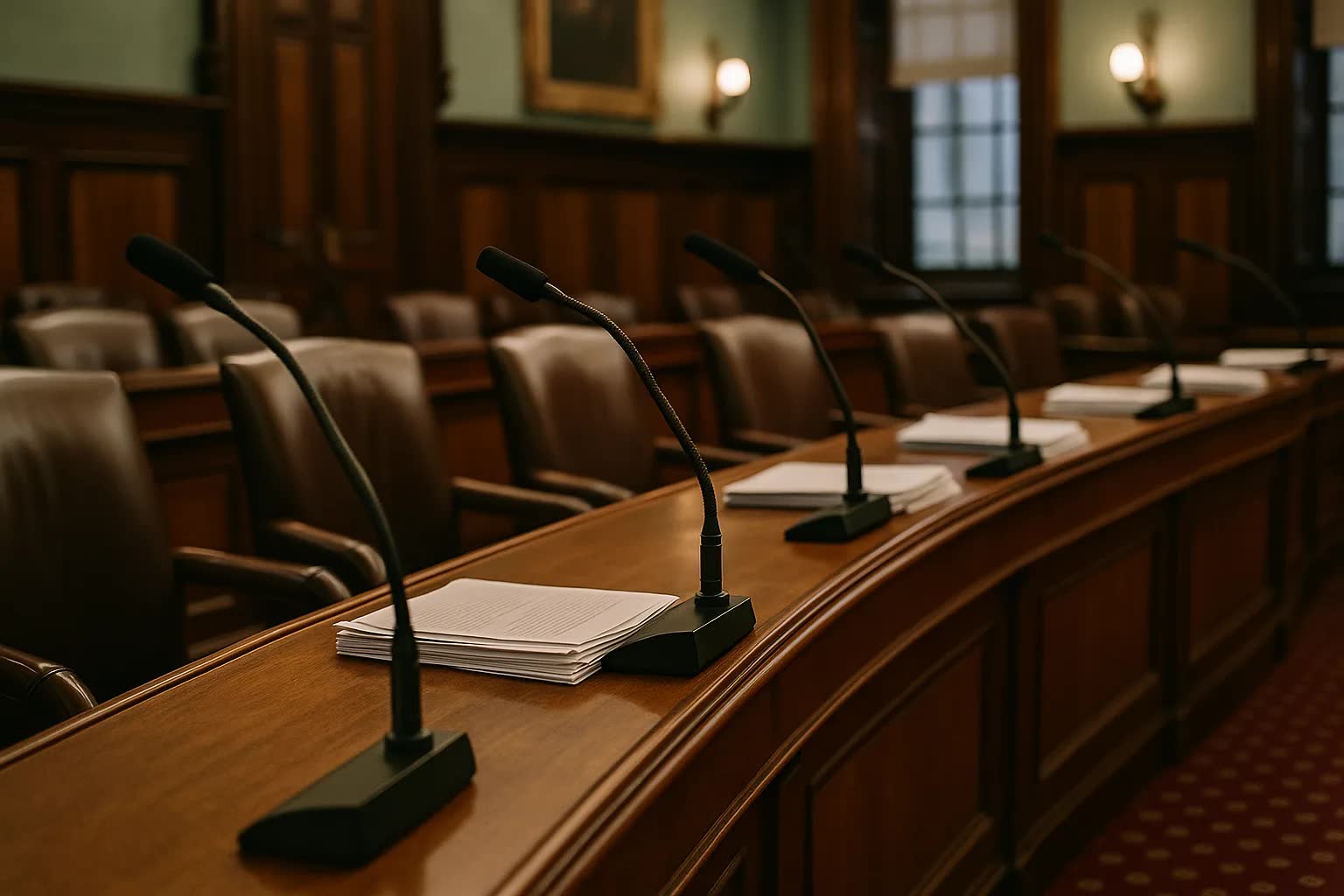
NEW YORK — City Council members debated proposed changes this week that would tighten the city’s public campaign matching fund rules, a move that could reshape how small-dollar donations from neighborhoods like the East Village, Jackson Heights and Brownsville are amplified ahead of the next mayoral cycle.
The draft legislation, introduced by Council Member Ana Morales, chair of the Council’s Campaign Finance Committee, would lower the per-contribution match, narrow eligibility by raising the number of required small-dollar donors and shorten the window in which candidates can qualify. “This is about restoring balance to a system that has expanded beyond its fiscal envelope,” Morales said at a packed hearing in City Hall, adding that the goal was to protect the city budget while preserving public participation.
Advocates for small-donor democracy and progressive campaign finance reform responded swiftly, warning that the changes would blunt the influence of ordinary New Yorkers whose $5, $25 and $50 contributions have powered insurgent and neighborhood-based campaigns across the boroughs. “You are effectively turning down the volume on voters in places like Sunset Park and Harlem, where grassroots contributions create competitive fields,” said Maria Chen, executive director of New Yorkers for Small Donors, during public testimony in the committee room on the second floor.
Under current city rules, candidates who qualify receive a 6-to-1 match on eligible contributions up to $250, according to Council staff summaries distributed at the hearing; the proposal reduces that ratio to 4-to-1 and would cut the maximum eligible contribution to $150. The office-memo estimate circulated by the Council’s finance office said certified candidates received roughly $22.4 million in matching funds in the last citywide cycle, with an average match per qualifying donor of about $138; the city currently certifies candidates after they reach thresholds set by borough and office, and the draft would increase required qualifying donors by approximately 35 percent, from an average of 1,200 to 1,620 in citywide races.
Council aides framed the proposal as a response to projections that the program’s liabilities could grow faster than anticipated given the city’s other fiscal pressures. “We are tasked with ensuring the matching program is sustainable,” said Daniel Reed, deputy director of the Council’s budget office. “Our models show that a modest tightening today avoids larger structural cuts to constituent services or municipal hires tomorrow.” Reed pointed to a four-year revenue outlook that assumes constrained discretionary spending and rising service demands in neighborhoods such as Flushing and the South Bronx.
Campaign operatives from across the political spectrum warned the change would alter campaign strategy, forcing teams to substitute broader grassroots organizing with larger, targeted solicitations and more high-dollar fundraisers on Park Slope brownstones or Midtown hotel suites. “If matches are smaller, you stop investing in block-walking on Atlantic Avenue and you start reallocating to high-dollar outreach,” said Javier Cruz, a field director who managed a 2023 council campaign in Bed-Stuy. He said his team relied on matched small donations to underwrite digital ads and volunteer stipends while maintaining neighborhood offices.
Legal scholars and political scientists packed the hearing room and online panels to explain how formula adjustments can shift incentives. “Matching ratios aren’t technical minutiae; they determine whether a first-time candidate from a working-class neighborhood can viably compete,” said Sonia Patel, a professor of political science at Kingsbridge University. “Reduce the amplification and you change who runs, where they spend, and ultimately who has access to elected office.” Patel cited studies showing that candidate diversity tends to fall when small-donor incentives are weakened.
Council staff acknowledged the possibility of legal challenges but argued the city has discretion to regulate public expenditures. A timetable released by the committee shows additional hearings in February on the mainland and in borough offices in Queens and Brooklyn, with a committee vote tentatively scheduled for late March and full Council consideration in April. Council Member Morales said amendments were possible and invited further technical comment from watchdog groups and the city Campaign Finance Board.
Opponents signaled they could file lawsuits if the final ordinance, as drafted, makes it substantially harder for grassroots candidates to qualify. “We will assess statutory and constitutional claims if the changes have a disparate impact on communities of color or on low-income donors,” said Ethan Alvarez, legal director at Citizens for Clean Government, which has previously sued the city over election infrastructure issues. Community organizers from Corona and Bensonhurst told reporters they were preparing data packages showing how small-dollar matches funded get-out-the-vote operations and immigrant outreach.
Council members, reform groups and campaign operatives all said the stakes extend beyond budget arithmetic to the shape of the mayoral field and the neighborhoods that receive attention. The Council’s next steps — technical amendments, borough hearings and a committee vote — are likely to determine whether tightened matching rules will be a narrow cost-saving measure or a structural shift that reshapes campaign outreach from Washington Heights to Coney Island in the next mayoral cycle.