City Delays Allocation of Congestion-Pricing Revenue to Transit Upgrades
A dispute between City Hall and Albany over earmarks has left millions meant for subway maintenance unspent as projects wait to be scheduled.
By Keisha Brown · December 22, 2025 · 4 min read
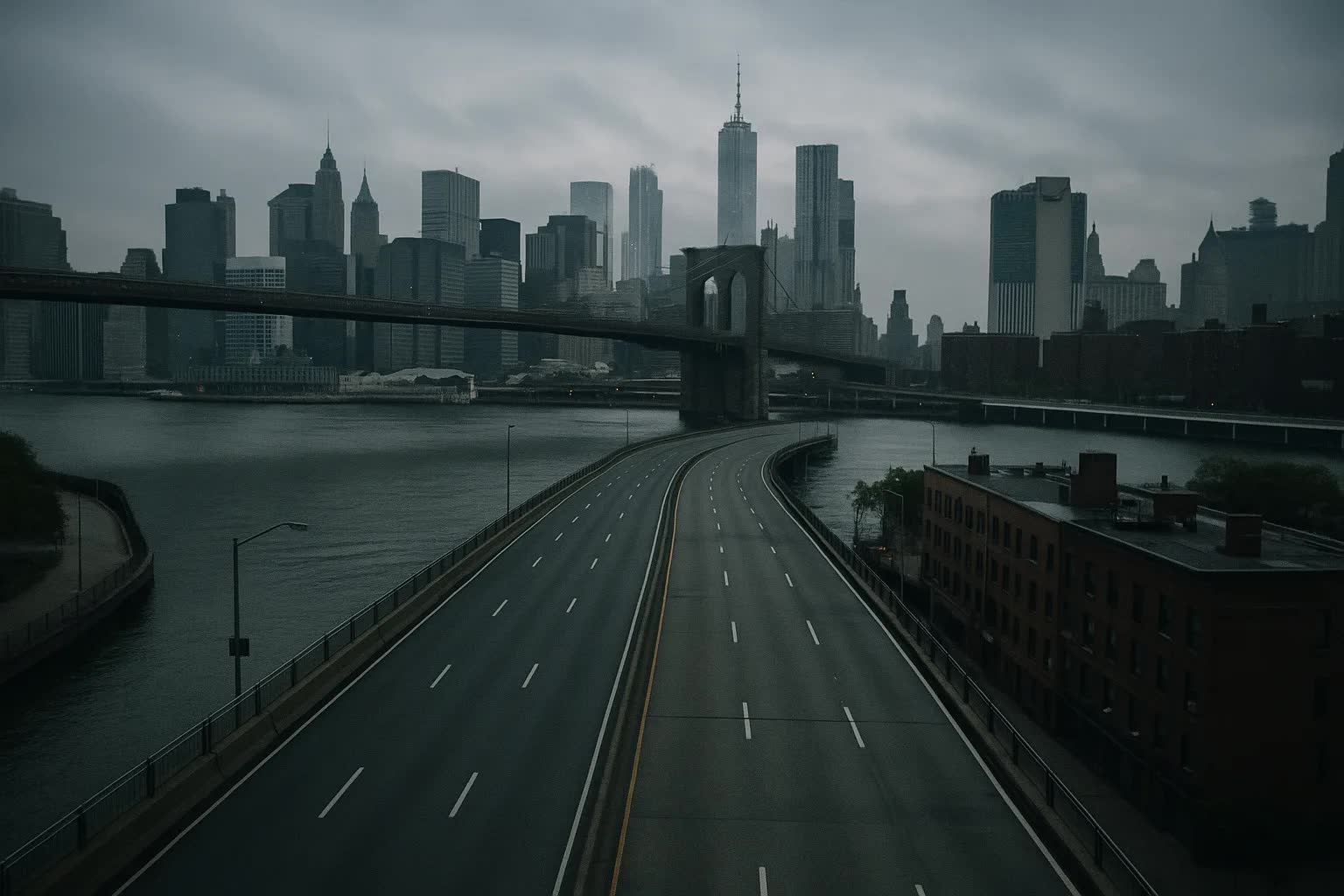
NEW YORK — Millions of dollars collected under the city's congestion-pricing program sit idle as a standoff between City Hall and lawmakers in Albany has frozen the allocation of funds meant for urgent subway maintenance and station upgrades across Manhattan, Brooklyn and Queens, leaving projects unscheduled and commuters already weary of delays wondering when repairs will actually begin.
The revenues — generated by tolls on cars entering the central business district — were legislatively earmarked for transit improvements ranging from signal modernization on the Lexington Avenue Line to platform repairs at Canal Street and accessibility upgrades at Atlantic Avenue–Barclays. City officials and transit advocates say the money was supposed to accelerate work that would otherwise take years to fund through the Metropolitan Transportation Authority’s capital plan, but legal language tacked on by state negotiators has muddied the path to release.
City Hall officials say the dispute stems from competing interpretations of how narrowly the state can constrain city-directed funds. “What we were promised when congestion pricing passed was that the bulk of the proceeds would go directly to improving subway reliability and safety,” Marcus Flynn, policy director at the Mayor’s Office of Transit, said. “Instead, Albany's direction mandates a series of earmarks and oversight conditions that require renegotiation before we can schedule crews and street closures.”
At the MTA, officials say they are prepared to move quickly once the conditions are cleared; crews and contractors who bid on the work remain on standby. “We have scope documents, vendor contracts and inspectors ready to deploy to locations from Midtown East to the 86th Street tube on the Upper West Side,” Elena Park, director of capital planning at the MTA, said. “Every month those projects sit unscheduled increases costs and delays needed safety and accessibility work.”
Concrete numbers show the scale of the pause: since the program began collections in mid-2024, the city reports roughly $1.1 billion in gross congestion-pricing revenue; state law earmarked $450 million for direct subway capital work in the current fiscal cycle, of which the MTA says $275 million remains unspent because the city has not finalized the project lists and procurement steps. The backlog includes 22 projects that had been in permitting or bid stages and at least $85 million intended for signal and transformer replacements that contractors say cannot be scheduled without clear authorization.
Neighborhood leaders from Brooklyn Heights to Jackson Heights say the delay has tangible day-to-day effects. Stores near Atlantic Avenue have already been promised temporary curb changes that would facilitate crews and deliveries; those plans are now in limbo. “We were told by DOT staff that work on our block would make an enormous difference to customers who use the N and R,” said Diane Ruiz, co-owner of Court Street Deli in Carroll Gardens. “People are already complaining about gaps in service and if the platform work keeps getting pushed off, our lunch rush just disappears.”
The impasse has turned political at both ends of the state. Albany officials argue that tighter oversight was necessary to ensure equity and that some of the original funding language lacked sufficient guardrails to protect neighborhood-level investments. A spokesman for the state transportation committee, who declined to be named, said lawmakers wanted assurances that funds would not be diverted to unrelated city needs and that reporting requirements be strengthened before signatures were final. City Hall countered that the added conditions are effectively new policy demands that should have been negotiated earlier in the legislative process.
Administrative hurdles compound the political spat: procurement rules, union work agreements and environmental reviews must be re-run for projects that have been idle. Contractors said last-minute changes to project scopes mean bids may have to be reopened; inspectors said certifications could expire before projects are formally awarded. “Every week of delay means we’re facing higher bid prices and fewer available crews willing to hold dates for work in dense Midtown and Long Island City locations,” said Jamal Reed, executive director of Riders for Reliable Transit, a local advocacy group. “That drives up costs and slows the relief riders were counting on.”
Transit planners and small-business owners alike warn of longer-term consequences if the stalemate continues into next year: deferred maintenance can lead to more frequent service disruptions, higher emergency repair bills and accessibility projects that fall further behind, undermining confidence among parents juggling school commutes and retirees who rely on predictable service. City agencies are reviewing contingency plans that include phased scheduling and emergency authorizations for the most critical signal and transformer work, but those measures are described as stopgaps rather than solutions.
Negotiations are expected to resume in Albany when lawmakers return in January, and city officials say they are preparing amended proposals aimed at reconciling oversight and flexibility. “We are optimistic a compromise can be reached that protects neighborhood investments while allowing crews to get back to work,” Flynn said. For commuters and small businesses from Midtown to Forest Hills, the urgency is clear: a timetable for unlocking the funds — and scheduling the work — will determine whether congestion pricing is remembered as a tool to improve the transit system or as a program whose benefits were delayed by politics; officials say a clearer funding release could allow the first tranche of projects to begin in the first quarter of 2026.