City Expands Free Teen Mental Health Clinics to Every Borough Ahead of School Year
A summer pilot placing therapists in 44 community sites aims to close a widening gap in adolescent care before the fall crunch.
By Mateo Ruiz · July 9, 2026 · 5 min read
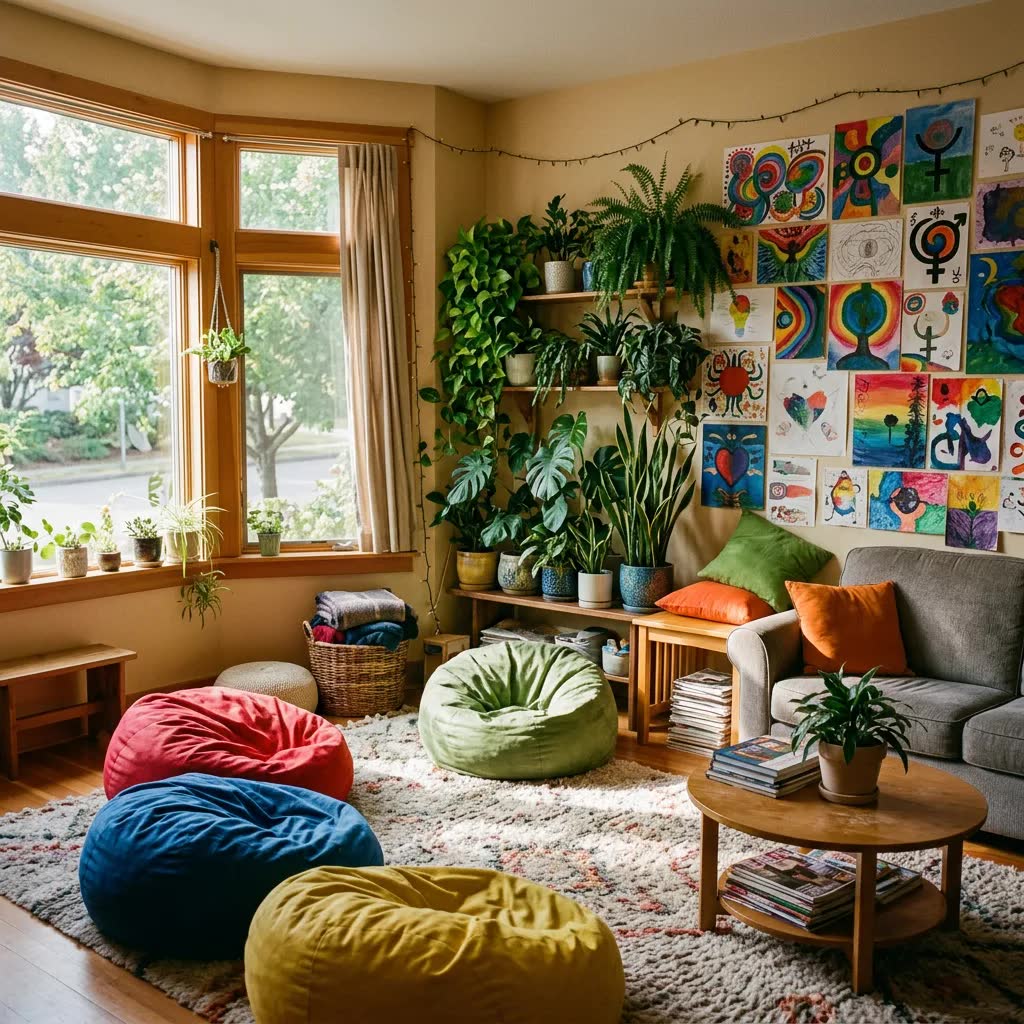
NEW YORK — The city is expanding a network of free walk-in mental health clinics for teenagers to all five boroughs this summer, planting licensed therapists inside 44 community centers, recreation buildings, and neighborhood clinics in a bid to reach young people during the months when school-based counseling disappears. The program, called BridgeUp, began as a nine-site pilot last year in the South Bronx and Central Brooklyn, and officials say early demand outstripped every projection they had made.
Under the model, any resident between 12 and 19 can drop in without an appointment, insurance card, or parental sign-off for an initial assessment, then be matched with up to twelve free counseling sessions. Administrators say the no-barrier design is deliberate, built around the observation that adolescents rarely seek help when the process requires paperwork and a wait. "The moment a kid works up the nerve to ask for help is fragile," said program director Nadia Okonkwo. "If we make them come back next Tuesday with a form, we've lost them."
The expansion arrives amid mounting evidence of a strained adolescent care system. City surveys have found that roughly one in three high school students reported persistent feelings of sadness or hopelessness in the past year, and the average wait for a first appointment with a youth therapist in private practice can stretch past two months. Emergency rooms, meanwhile, have become the default entry point for teens in crisis — a costly and often traumatic substitute for routine care.
At a newly opened site in Staten Island, the clinic occupies a sun-filled corner room decorated by local high schoolers, with beanbag chairs, a wall of houseplants, and a deliberate absence of the clinical fixtures that can make young patients uneasy. A staff counselor said the summer timing matters because the unstructured months can be as destabilizing as the school year is demanding. "Isolation goes up when the routine falls away," she said. "Some of these kids just need a standing reason to leave the house and talk to an adult who isn't grading them."
Funding remains the open question. The summer expansion is underwritten by a mix of city dollars and a two-year philanthropic grant, and advocates worry the program could contract just as families come to rely on it. A coalition of pediatricians has urged the City Council to lock in permanent funding, arguing that early intervention is far cheaper than the hospitalizations and crises it prevents. "You either pay for the therapist now or the emergency room later," one pediatrician said at a recent hearing.
For now, organizers are focused on capacity. Each borough hub is training a second cohort of counselors and building referral links to primary care so that a teenager who walks in with anxiety can also get a physical, a vision screening, or a conversation about sleep. Okonkwo said the ambition is to make mental health care feel as ordinary as a checkup. "We want a fourteen-year-old to talk about seeing their counselor the same way they'd talk about seeing their dentist," she said. "No shame, no secret, just something you do."