City Rat Survey Finds Rodent Populations Shifting Toward Waterfront Districts
Sanitation officials say changes in refuse collection and rising waterfront development may be altering rat behavior and hotspots.
By Nia Washington · March 30, 2026 · 4 min read
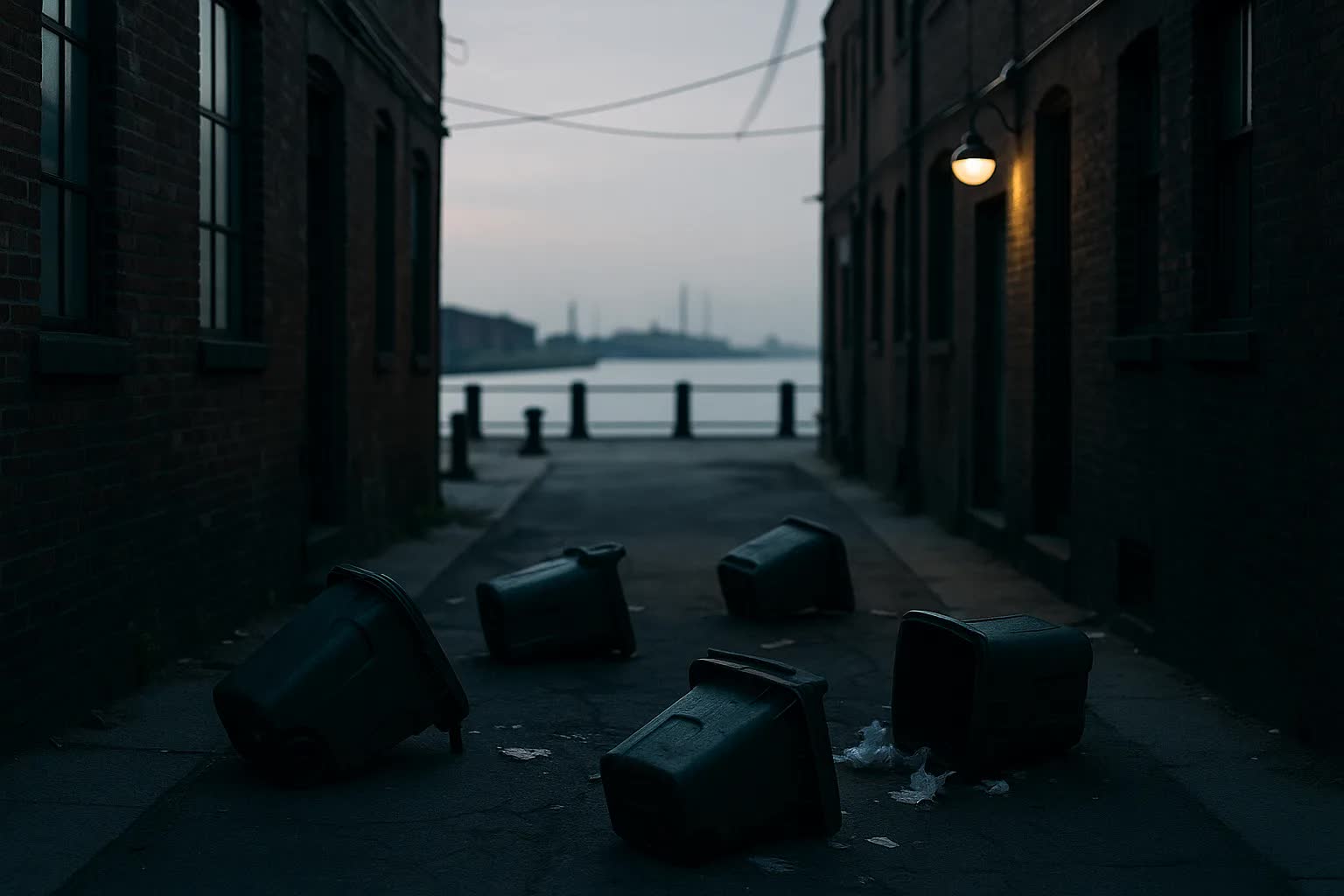
A citywide survey released this month by the Department of Sanitation and an independent urban ecology lab shows a clear shift in rat activity toward New York’s waterfront neighborhoods, a trend residents from the East Village to Red Hook are already feeling in alleys and on boardwalks where dining and housing booms have remapped food and shelter for rodents. The survey, compiled from 18 months of field observations and neighborhood reports, finds clusters of heightened sightings along piers, new esplanades and legacy industrial shorelines even as some inland blocks report fewer encounters after recent trash-management changes in Midtown and Upper Manhattan.
Researchers say the story is less about more rats overall than about rats re-sorting themselves onto the city’s edges. “We aren’t necessarily seeing a population explosion,” said Dr. Lena Morales, an urban ecologist and co-director of the Harbor Habitat Lab, which partnered with the city on the study. “What we are seeing is a redistribution tied to where food, cover and new development intersect — and that often means waterfronts with a mix of restaurants, construction sites and aging infrastructure.”
The survey quantified the shift. Inspectors recorded 12,483 rat-location observations between September 2024 and February 2026. Of those, 47 percent were within 100 meters of a waterway or pier, up from 33 percent in a comparable dataset compiled in 2022. Sightings within residential inland neighborhoods fell by 18 percent, while reports near waterfront commercial corridors rose by 42 percent. The report also logged 1,102 active burrow clusters, with the highest densities in Red Hook, Gowanus and the South Bronx waterfront near Hunts Point.
Sanitation officials point to two practical drivers: changes in refuse collection and the expansion of private hauling and restaurant delivery along piers. “When curbside pickup schedules change and private vendors handle more of the trash, enforcement gaps and irregular receptacle placement create predictable foraging opportunities,” said Samuel Ortiz, a senior foreman in Manhattan Sanitation’s rodent-control unit. “It’s not mystical — it’s about where the food is available and how easy it is for rats to access it.”
Developers and waterfront businesses say their projects have new waste-management requirements but concede that construction and nightlife create short-term problems. At Pier 6 in Brooklyn Bridge Park and along the South Street Seaport, contractors reported temporary staging areas and dumpsters that can attract rodents if not tightly managed. “We’ve upgraded compactor systems and require restaurants to use locked bins, but the transition period is when we see most of the activity,” said Maya Park, executive director of the Hudson Waterfront Alliance, a private nonprofit that advises waterfront projects. “Long-term, these neighborhoods can be much cleaner — but only with coordinated rules and enforcement.”
Neighborhood-level examples underscore the shift. In DUMBO, residents say rats are increasingly visible beneath the Manhattan Bridge approaches where food trucks congregate. In Red Hook, narrow streets like Van Brunt and the shoreline near Valentino Pier show fresh burrow activity; in the East River area near Hunts Point, long-standing issues around fish waste chutes and trailer parking inform elevated counts. In Brooklyn’s Gowanus, where the canal and ongoing remediation leave sections of disturbed soil and nighttime construction lighting, the survey found persistent nesting sites underboardwalks and within vacant lots slated for residential conversion.
The city’s nightlife and music venues have noticed the change, in ways both small and costly. Outdoor concert promoters in Williamsburg and a rooftop bar manager near Chelsea Piers described a rise in staff reports of sightings and a need for more frequent nightly cleanup. “We had to rethink our waste flow for shows — more locked bins, more frequent pick-ups — because patrons leaving food in trash bags overnight creates hotspots,” said Julian Mercado, operations manager at a live-music venue in North Williamsburg. “It’s a business issue as much as it’s public health.”
Public health agencies and pest-control experts stressed that the risks are manageable but require integrated strategies. The report recommends targeted bait stations, sealing of known burrow entrances, timed pickup schedules, and a crackdown on unsecured commercial waste. “Integrated pest management works best when you combine sanitation, structural repairs and community reporting,” said Dr. Aisha Khan, director of the Lower East Side Tenants Union, which has pressed for more trash enforcement around the Delancey Street corridor. “Neighbors need clear channels to report, and the city needs to act fast on problem locations.”
The survey also raised questions about how climate-driven changes could amplify the trend. Rising tides and more frequent storm surges displace burrow habitats, and new boardwalks and mixed-use projects built to higher elevations sometimes compress rat habitat into remaining low-lying parcels. A pilot mapping tool tested during the study aggregated community reports, sanitation pickups and construction permits to forecast likely hotspots; officials say the app will expand in coming months to a dozen neighborhoods. “We’re learning to anticipate rat movement the way we plan for floods,” Dr. Morales said. “It’s about patterns, not panic.”
City officials say additional funding for rodent-control teams and stricter rules for private haulers are in the works, and the Harbor Habitat Lab plans a follow-up survey in late 2026 to measure whether new pickup schedules and mandatory locked bins reduce waterfront concentrations. For neighborhood groups and businesses, the message is clear: adapt waste practices now while the city tries to get ahead of a shifting problem that mirrors the changing shape of New York’s shoreline. The next round of data, advocates say, will determine whether the city’s emerging waterfront — with its parks, condos and cultural venues — becomes a model of coexistence or simply a new map of old infestations.