Co-op Boards Tighten Scrutiny as Market Uncertainty Grows
Rejection rates for co-op purchase applications are rising across Manhattan and parts of Brooklyn, as boards raise financial thresholds, scrutinize employment stability, and apply increasingly cautious logic to approvals — creating friction that is reshaping how buyers approach one of New York's most distinctive housing forms.
By Alex Moses · June 28, 2026 · 5 min read
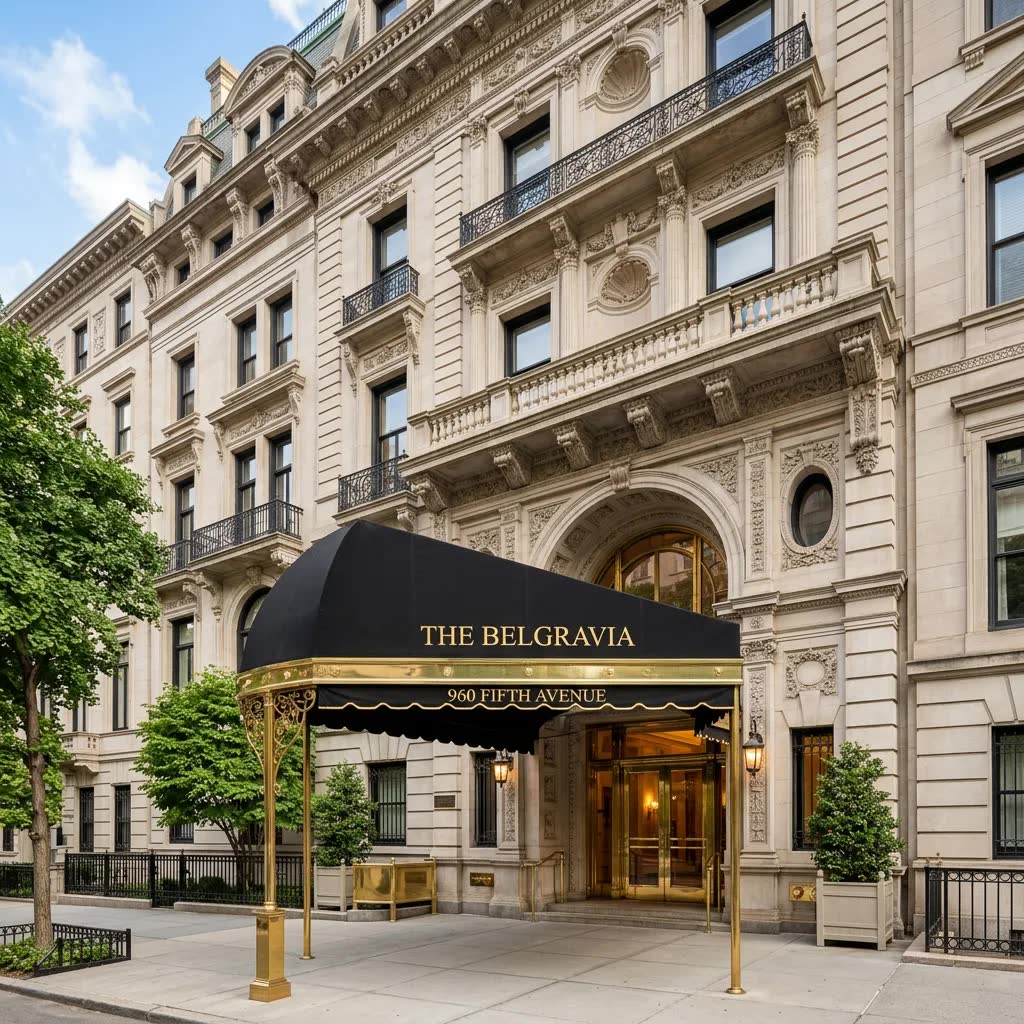
NEW YORK — In the ecosystem of New York real estate, the co-op board retains a power that no other residential institution in the country quite replicates: the ability to reject a willing buyer from a willing seller for virtually any reason that does not run afoul of fair housing law. That power has always been exercised with a variable degree of rigor. Right now, several brokers and real estate attorneys say, it is being exercised with unusual frequency and caution.
Anecdotal reports of rising rejection rates are difficult to verify systematically, because co-op boards are not required to disclose their decisions or their reasoning. But practitioners who work regularly with co-op transactions across a range of Manhattan buildings and several prominent Brooklyn co-op complexes describe a notable shift in board behavior over the past twelve to eighteen months. Buyers who would previously have sailed through the application process — solid income, substantial down payment, respectable debt-to-income ratio — are encountering requests for additional financial documentation, extended review periods, and, in some cases, rejections that arrive without explanation.
The trend appears to be driven by several converging anxieties. The post-pandemic volatility in the employment market has made boards skeptical of income that derives from variable sources — freelance contracts, startup equity, commission-based sales, or crypto holdings — even when the total amount is substantial. Rising maintenance costs, driven by fuel prices and local law compliance requirements, have prompted some boards to quietly raise their informal post-closing liquidity requirements, demanding that buyers hold more cash in reserve than the building's official guidelines specify.
The practical consequence for buyers is a market where the difference between a co-op transaction and a condo transaction has become more pronounced. Condo purchases, which do not require board approval in the same way, have traded at a premium to co-ops for years. That premium appears to be widening as buyers absorb the time and uncertainty cost of the co-op approval process. Real estate attorneys say they are increasingly advising clients to condition offers on a reasonable review timeline and to prepare for the possibility of rejection as a routine risk rather than an anomaly. "Five years ago I might tell a client the co-op board is a formality," said one attorney. "I don't say that anymore."