Community Sewing Rooms Revive Garment Traditions in Manhattan's Garment District
Shared workspaces are supporting menders, costume designers and hobbyists as interest in repair and small-batch production grows.
By Daniel Rodriguez · January 23, 2026 · 4 min read
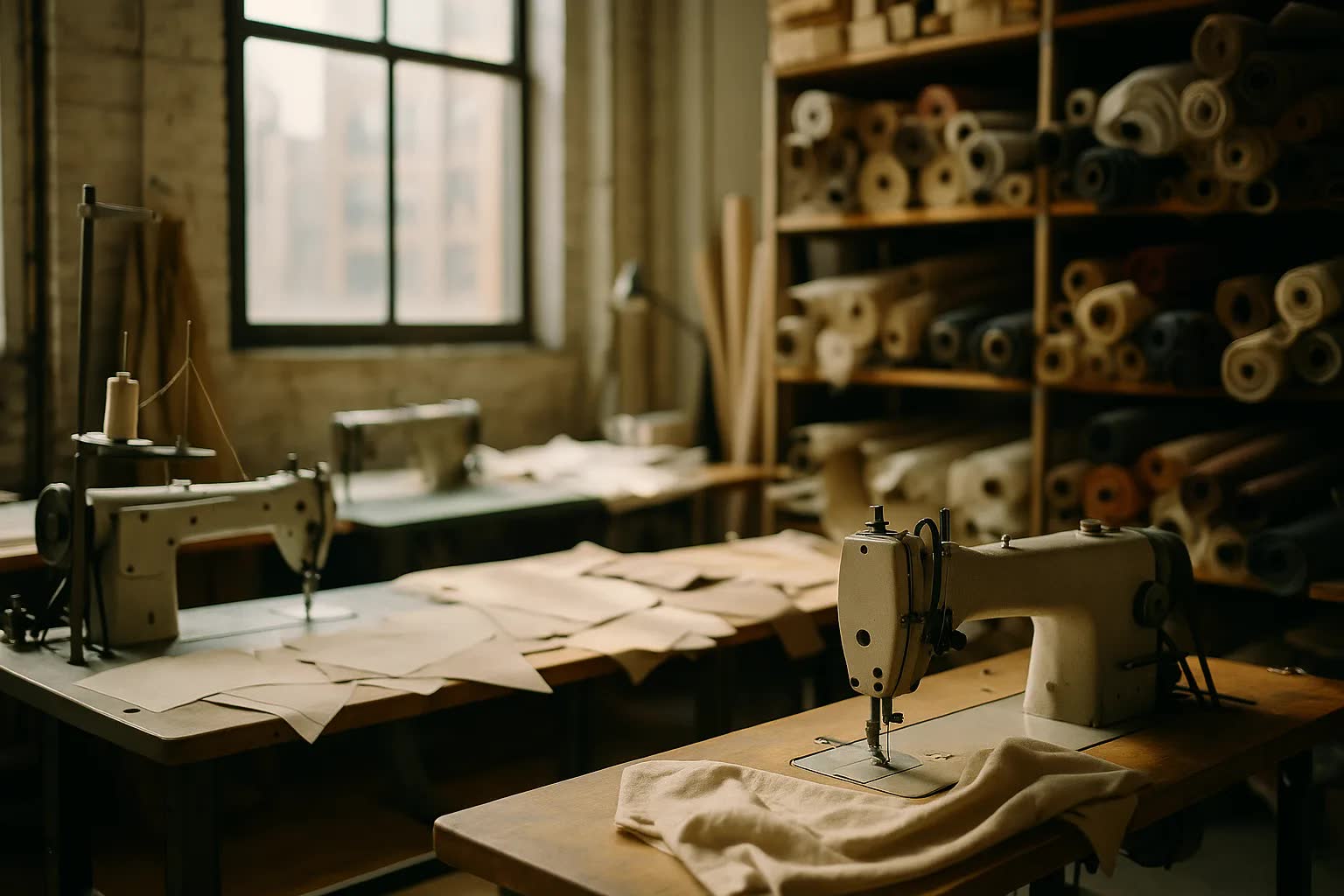
In a light-filled loft on West 36th Street in Manhattan's Garment District, rows of industrial sewing machines hum beside cutting tables and racks of rescued fabric as menders, costume designers and hobbyists stitch together a new chapter for the city's clothing trades, turning a once-shrinking industry patch into a hub for repair, small-batch production and skills training.
The community sewing rooms that have multiplied between Fifth and Ninth avenues in Midtown West are arriving where textile work has deep roots but thinned workforce. Longstanding factories and sample rooms have given way to offices and retail, yet the physical infrastructure — high ceilings, freight elevators and wide floor plates — has made the neighborhood a natural place for shared workshops. The new spaces occupy former garment lofts, storefronts near Herald Square and smaller storefronts that front onto side streets off Broadway.
Inside StitchHouse Sewing Collective on the corner of West 36th and Seventh Avenue, members book machines by the hour, take evening classes and share the cost of maintenance and materials. The scene is mixed: second-generation tailors teaching teens to set a sleeve, freelance designers minting prototypes for local boutiques, and residents bringing in coats to be mended. The environment, founders say, is intentionally public and social; counters and worktables are arranged so that conversations about technique, patterning and sourcing are as important as the finished hem.
As of January 2026 there are seven community sewing rooms operating in the Garment District and adjacent Chelsea and Hell's Kitchen, with a combined membership of roughly 1,200 people. StitchHouse, one of the largest, runs two locations with 30 industrial machines, four full-time technicians and 60 scheduled classes per month. Average monthly membership fees across the neighborhood range from $45 to $125, hourly rental of machines runs from $8 to $20, and local co-ops report a 42 percent increase in repair and upcycling requests over the past year.
“We are not trying to revitalize the old industry by copying the past,” said Sofia Alvarez, director of StitchHouse Sewing Collective, “but to adapt the craft to the city's present needs: affordable access, sustainable repair, and a place to prototype without committing to prohibitively expensive rent or a long-term lease.” Alvarez noted that many members say they come for the machines and stay for the community, and that the collective has become a referral network for small brands seeking sample makers.
Costume designers for neighborhood theaters and independent filmmakers have also found the rooms indispensable. “When MetroStage needs a quick run of period vests or a patchwork of costumes in a week, we can rent a cutting table and three machines and get crews working by morning,” said Marcus Lee, head costume designer at the off-Broadway MetroStage in Hell's Kitchen. “It lets smaller artistic projects maintain a level of craft that used to be out of reach.”
The economic role of the sewing rooms extends beyond occasional rentals. Several microbrands and tailors use the spaces for small-batch production, keeping runs to a few dozen pieces and avoiding the long minimums and overseas lead times that once dominated the industry. Local shops say those small runs help keep inventory nimble and waste low, and they allow designers to test styles on neighborhood customers in Chelsea markets and pop-ups near Hudson Yards.
There are tangible hurdles. Rising rents and tightening commercial zoning push many workshop operators to smaller, less accessible storefronts or to split operations between Manhattan and more affordable outer borough locations. Building code rules intended for food and manufacturing spaces sometimes complicate installation of ventilation and fire suppression for industrial machines. Community boards and business improvement districts have been stepping in with guidance, and some co-ops report that a single expensive lease renewal can wipe out months of program income.
The social benefits of the shared rooms are as visible as the economic ones. Apprenticeship programs run by The NeedleWorks Foundation pair immigrant garment workers with young New Yorkers seeking vocational skills, offering paid on-the-job training and pathways to shop management. “Teaching someone to make a sleeve is also teaching them to keep a small business books, to talk to a client and to think about sustainable sourcing,” said Naomi Brooks, apprenticeship coordinator at The NeedleWorks Foundation. Participants say the training leads to freelance opportunities and a renewed pride in craft that was nearly lost in the shift to mass production.
City officials and neighborhood advocates are watching the trend closely as they consider policy responses, from grants for equipment and safety upgrades to zoning tweaks that could make small-batch manufacturing easier. For now the rooms stitch old and new: preserving handicraft techniques while accommodating a fragmented, digitally ordered apparel market. Organizers say they plan to expand outreach into other Manhattan neighborhoods and to pilot satellite workshops in Brooklyn this year, aiming to keep the skills alive while adapting to the economics of a post-pandemic city.