Commuter Rail Riders Organize Against LIRR Fare Hike
Long Island riders and advocacy groups mobilize to demand alternatives after a proposed fare increase that would affect low-income commuters.
By Julian Alvarez · January 16, 2026 · 4 min read
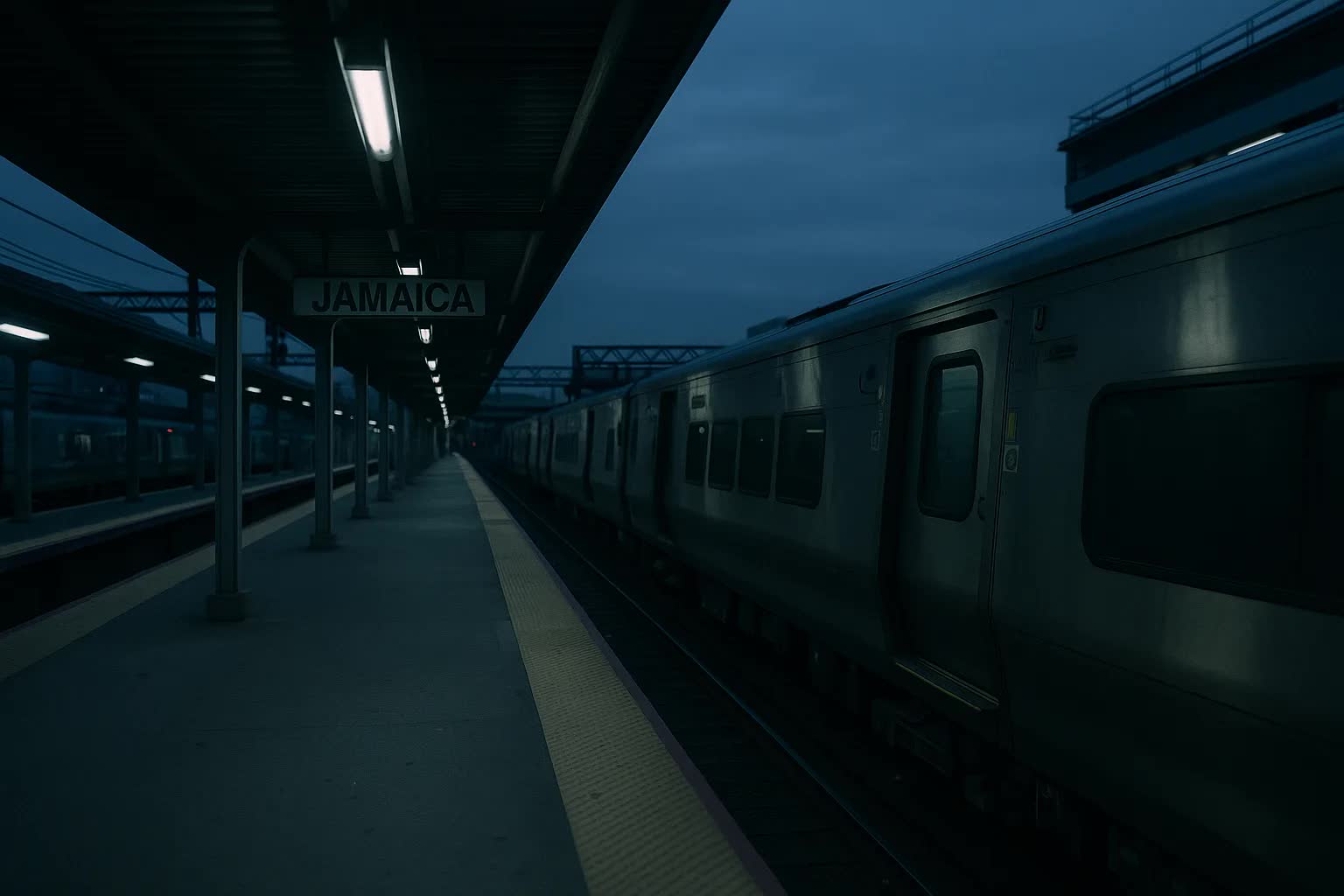
Long Island Rail Road commuters from Jamaica to Great Neck and neighborhoods across Queens and Nassau County are organizing in force after an MTA proposal that would raise fares on one of the region’s busiest commuter rails, a move riders and advocates say would disproportionately hurt low-income New Yorkers who rely on the trains to reach jobs in Manhattan, Midtown and Brooklyn. At Jamaica Station on a frigid Thursday morning, dozens of riders distributed handbills and gathered signatures, arguing that the burden of the agency’s budget shortfalls should not fall on households already stretched thin by rent and rising living costs in neighborhoods like Far Rockaway, Forest Hills and Hempstead.
The proposed fare package, released quietly in late December as part of a draft MTA budget, would increase per-ride zone fares, reduce some transfer discounts and shrink the benefit window on monthly and weekly passes, according to riders and advocacy groups who obtained a copy of the proposal. The agency argues the adjustments are necessary to narrow a multi-year deficit driven by lower post-pandemic ridership and rising labor and maintenance costs. The plan would be put before the MTA board for a preliminary vote later this month and could take effect in stages through the spring if approved.
A constellation of community groups, tenants’ organizations and rider coalitions have coalesced into a joint campaign called Long Island Riders United, staging town halls, commuter-led surveys and rallies at stations from Penn Station to Atlantic Terminal. "We are not an interest group — we are people trying to survive a commute and keep a job," said Rosa Martinez, president of the Long Island Commuter Coalition, who organized a January 10 meeting at the Jamaica Performing Arts Center. "This increase will push more people into cars and out of jobs that require reliable transit access."
Concrete numbers shared by the coalition underscore the stakes: the draft shows an average proposed increase of 12 percent on single-ride fares across LIRR zones, a projected annual revenue gain of roughly $140 million, and an estimated 68,000 additional riders who would likely cut back to fewer trips or switch to non-rail options. The draft also estimates the LIRR serves about 260,000 weekday riders systemwide and notes that nearly 35 percent of those riders live in households earning less than $50,000 annually. Monthly Zone 1-8 passes cited in the document would rise from an average of $182 to $204 under the plan.
On a cold evening at the Forest Hills Community Center, commuters and small-business owners detailed how a fare increase would ripple through local economies. "My morning runs cost me more than a quarter of my shift earnings already," said Marcus Greene, 42, a delivery driver and coordinator for Riders for Equity, who commutes daily from Mineola to Penn Station and has organized several commuter walks across Queens Boulevard. "When they raise fares, I'm choosing between filling my tank or feeding my family. It's that stark."
The protests have also surfaced practical policy alternatives. Riders United is demanding an income-based discount program for low-earning commuters, expanded off-peak pricing and a pilot of fare capping — a system where once a commuter reaches a cost threshold in a week or month, additional rides are free. They have presented cost estimates to the MTA suggesting that targeted subsidies and more aggressive weekday off-peak incentives could close much of the projected revenue gap without a broad across-the-board hike, a strategy that echoes programs in cities such as London and Stockholm.
The MTA pushed back at a briefing in Brooklyn, where Leah Kim, a fictional MTA budget director, said the agency was "exploring every option, including targeted assistance," but that the agency could not close a structural shortfall solely with modest programmatic changes. "Our fiscal analysis shows we face a multiyear funding gap driven by permanent changes in ridership patterns and rising capital needs," Kim said. A senior MTA planner who requested anonymity added that timing and cash-flow concerns mean the agency is reluctant to delay fare adjustments while long-term reforms are negotiated.
The politics around the proposal are fractious. State and county lawmakers representing Nassau and Suffolk counties, along with Queens City Council members from districts that include Corona and Jackson Heights, are bracing for constituent pressure and held preliminary briefings last week in Mineola and Long Beach. Several legislative aides, who asked not to be named pending formal statements, said lawmakers are exploring emergency subsidy measures and earmarked transit grants, but that budget realities at the state level make immediate rescues uncertain. Local chambers of commerce warn that downtown strips — such as the stretch along Atlantic Avenue in downtown Brooklyn and parts of Hempstead Avenue — could see reduced foot traffic if commuters scale back.
Advocates are preparing both political and legal strategies. Legal Action Long Island, a public-interest law project, has been tapped to analyze potential challenges under state administrative law and civil-rights statutes, arguing that disparate impacts on low-income riders might require formal mitigation plans. "We are assessing all avenues, including urging the state to condition approval on meaningful equity offsets," said Aisha Khan, legal counsel to Riders for Equity. The coalition has also begun collecting affidavits from displaced workers and parents who say the commuter burden will exacerbate housing instability in neighborhoods like Rockaway and Kew Gardens.
The dispute now turns to the MTA board calendar and a growing slate of public hearings slated in January and February, including sessions planned in Jamaica and Hicksville, where community testimony will be recorded before any final vote. Riders United has announced a march to the MTA headquarters and a coordinated outreach campaign to commuters who buy monthly passes at Grand Central and Penn Station. Whatever the outcome, the next few weeks will determine whether the LIRR pursues a phased technical fix or faces a protracted political fight that could reshape how Long Island and Queens communities access the city’s job centers in the years ahead.