Costume Art: Reimagining the Dressed Body
The Met’s Costume Institute brings together centuries of fashion in an exhibition that treats clothing not as decoration but as a medium through which humanity understands itself.
By Lanney Jing · July 31, 2026 · 4 min read
Few exhibitions can match the scale and prestige of the Metropolitan Museum of Art’s Costume Art. Occupying the newly opened Condé Nast Galleries, the exhibition brings together approximately 300 years of fashion across culture, gender, and geography. Its central argument is both simple and radical: clothing is not merely decoration but a second skin through which individuals, communities, and civilizations express who they are and who they wish to become.
One of the exhibition’s greatest strengths is its refusal to present fashion as an isolated discipline. Ancient Greek artifacts depicting the human form are displayed beside reconstructed historical garments and contemporary couture. The result is a conversation across centuries, with each object illuminating the others. Fashion is positioned not as a cyclical industry driven by novelty, but as a long and continuous human project rooted in questions of identity, belonging, and the body.
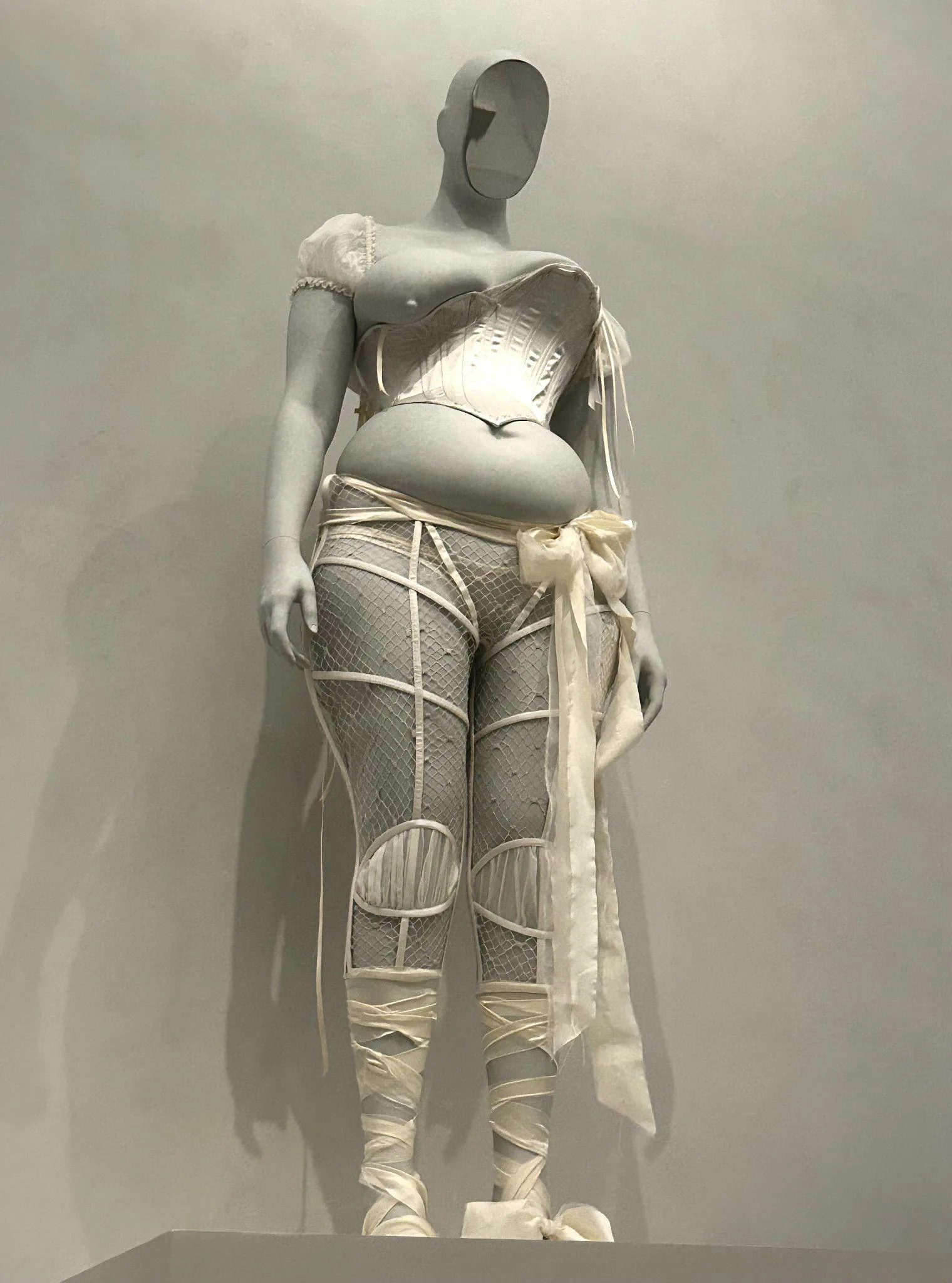
As the exhibition moves through history, clothing increasingly appears not only as adornment but also as a mechanism of control. Traditional European fashions, particularly corsetry, illustrate how beauty standards often required the physical restriction of women’s bodies. The body shape became something to be engineered, disciplined, and corrected. Several contemporary works respond critically to this legacy, using unexpected materials and distorted forms to visualize bodily constraint. In these moments, fashion becomes a site of resistance rather than compliance, reclaiming agency over bodies historically shaped by social expectations.
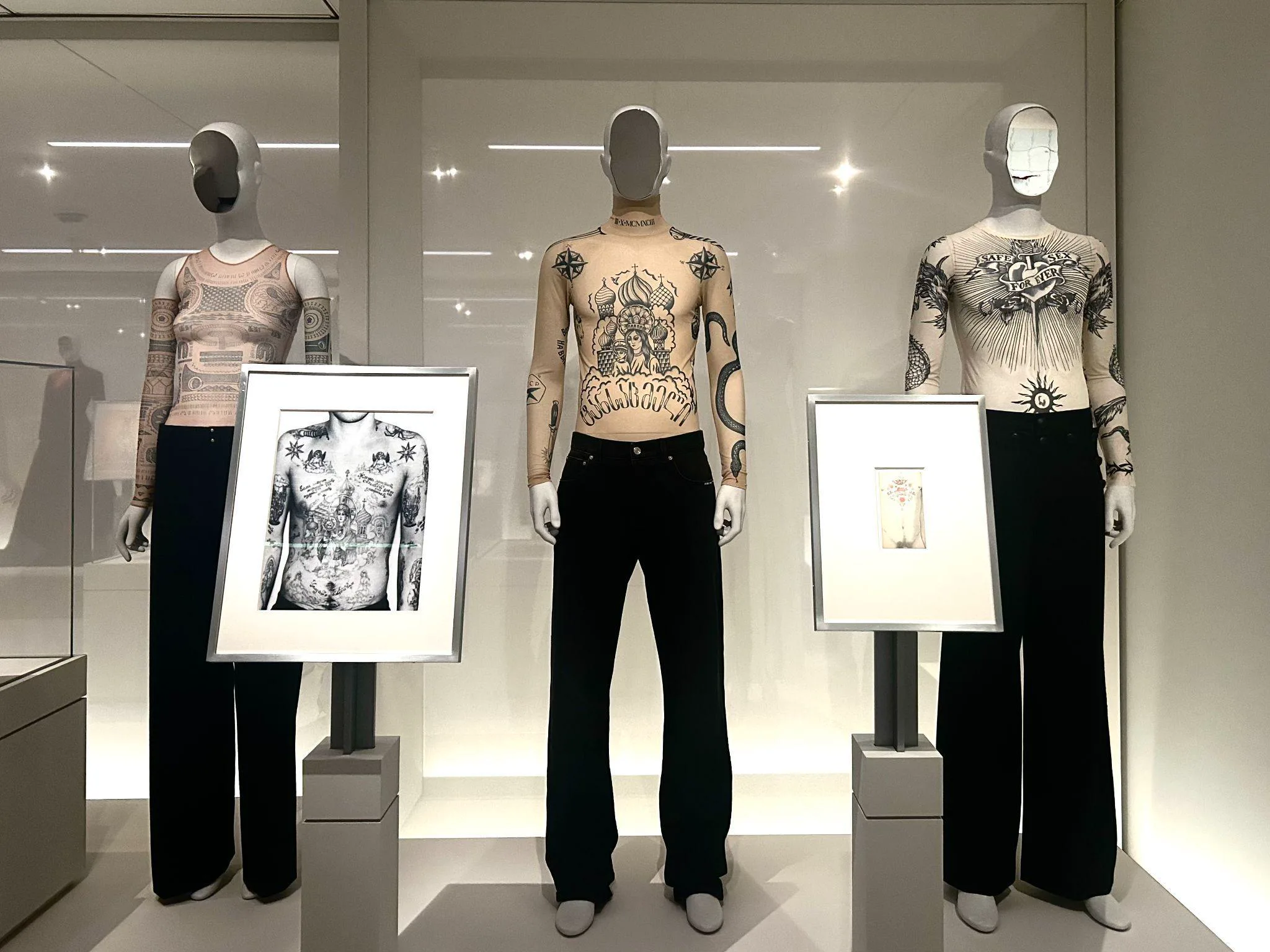
The exhibition’s exploration of skin is among its most compelling themes. Skin functions as both protection and disclosure—the boundary between the self and the outside world. Designers incorporate tattoos, scars, and bodily markings into garments, challenging the assumption that clothing merely covers the body. Instead, clothing emerges as a second skin, capable of carrying memory, identity, and personal history. Other works simulate flesh, muscle, and anatomical structures through textiles, collapsing the distinction between what is worn and what is inherently human.
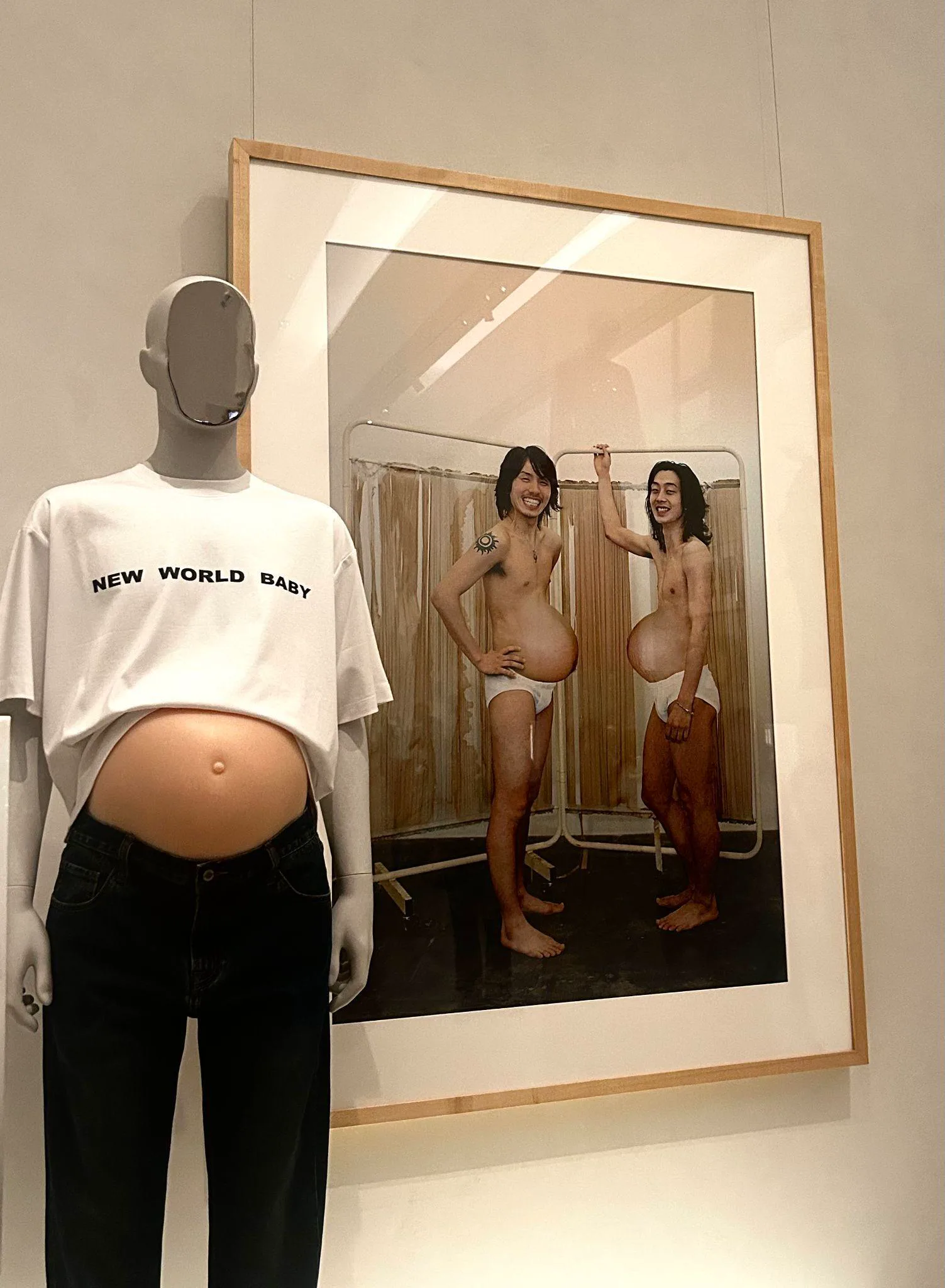
A particularly moving section examines aging, mortality, and renewal. Rather than presenting death as a conclusion, the exhibition frames it as part of a continuous cycle of transformation. Garments associated with mourning and remembrance lead into works imagining future bodies and new forms of existence. A striking example is the work from Xander Zhou’s collection, a shirt printed with the words “New World Baby” on a model with a pregnant belly. This depicts male pregnancy, which destabilizes conventional assumptions surrounding gender, reproduction, and biological possibility. These speculative visions suggest that both the body and fashion remain unfinished projects, constantly evolving beyond established norms.
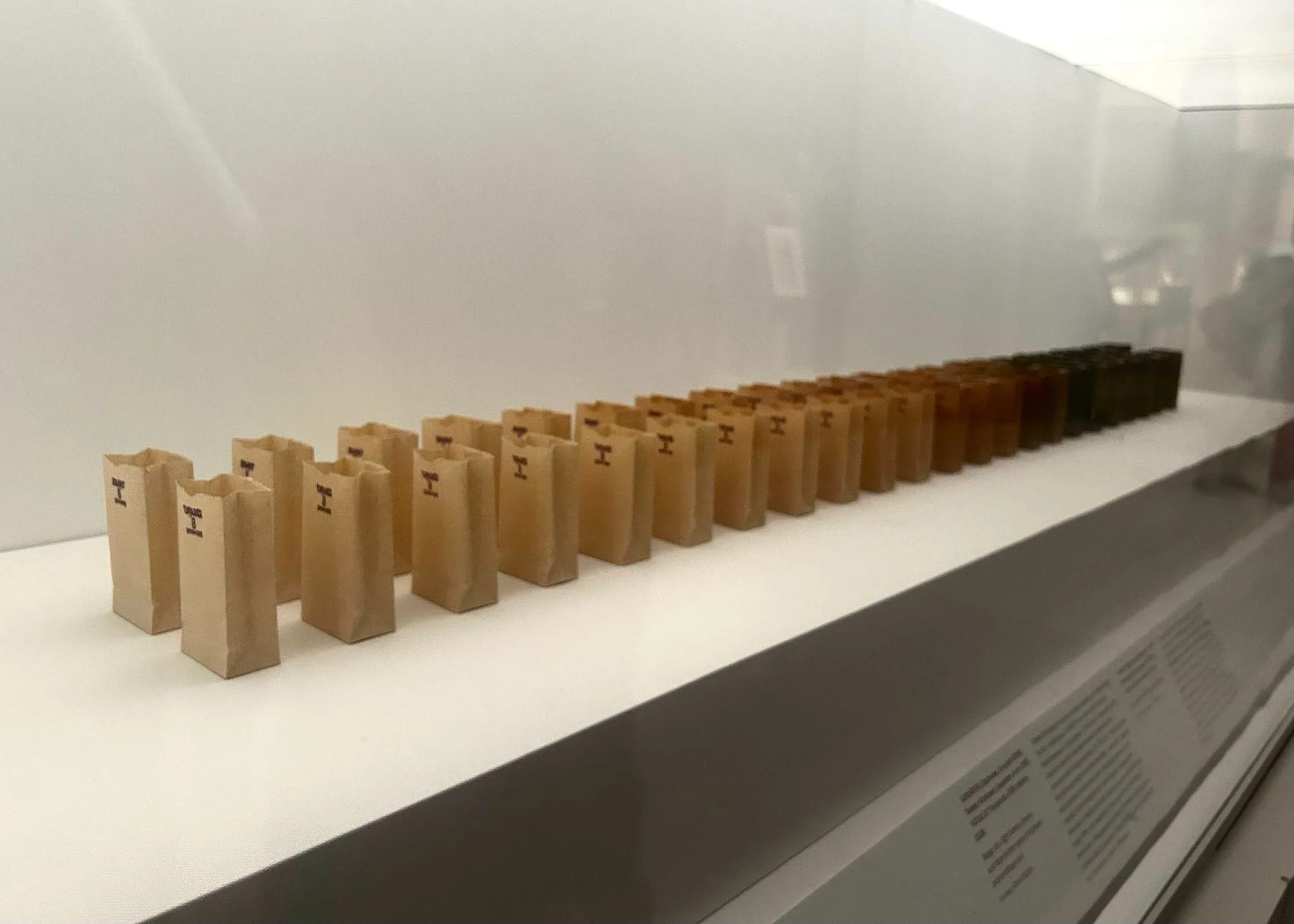
The exhibition concludes with its most powerful statement: the body cannot be reduced to a single ideal form. Displays incorporating prosthetics, Braille, diverse skin tones, and representations of disability challenge the exclusionary standards that have long dominated both art history and fashion culture. The inclusion of mannequins modeled on real individuals with different body types further reinforces this commitment to visibility and representation. Diversity is presented not as an exception but as a fundamental condition of human experience.
Ultimately, Costume Art succeeds because it shifts attention away from clothing as an object of consumption and toward clothing as a medium through which humanity understands itself. Across centuries and cultures, garments have celebrated beauty, enforced conformity, expressed individuality, marked loss, and imagined futures. In revealing these multiple functions, the exhibition argues that fashion is far more than appearance. It is a visual language through which bodies negotiate identity, power, memory, and belonging.