A Crypto Trading Firm Plants Its Flag in Lower Manhattan, Citing Talent and Rules
The company said it would lease a full floor downtown and hire dozens, framing New York's regulatory clarity as a competitive draw.
By Kira Sato · July 16, 2026 · 4 min read
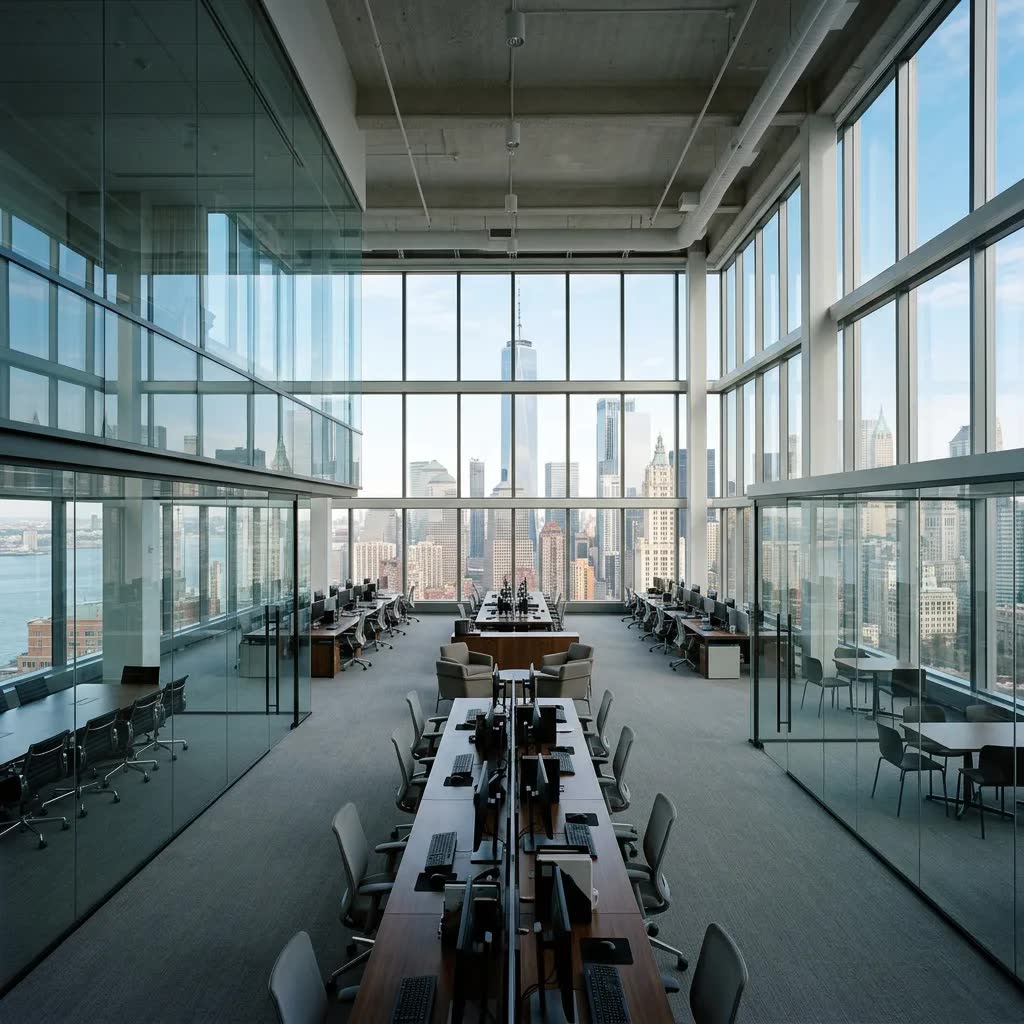
NEW YORK — A digital-asset trading firm said Thursday it would relocate its headquarters to Lower Manhattan, leasing a full floor in the Financial District and pledging to add dozens of jobs over the next year, a bet that the city's deep talent pool and comparatively defined regulatory environment outweigh its high costs. The move runs counter to a narrative, common in recent years, of crypto companies decamping for lower-tax or lighter-touch jurisdictions.
Executives said access to experienced financial engineers, compliance professionals, and traders was a decisive factor, arguing that New York remains the world's densest concentration of relevant talent despite competition from other financial hubs. "You can hire people here who understand markets in their bones," a company executive said. "That is worth paying for." The firm said it expected its new roles to span trading, engineering, legal, and risk functions.
The company also framed New York's regulatory regime, often criticized by parts of the crypto industry as onerous, as a selling point rather than a deterrent. Its leadership argued that operating under a demanding licensing framework builds trust with institutional clients wary of the sector's turbulent history. "Clarity, even strict clarity, beats uncertainty," the executive said, contending that clear rules reduce the risk of sudden enforcement surprises.
Local officials welcomed the relocation as evidence that the Financial District can still attract growing firms in emerging industries, a point of pride for a neighborhood that has worked to diversify beyond traditional banking. Real estate brokers noted that the lease added to a slow but steady stream of financial-sector commitments downtown, where landlords have competed aggressively on price to fill space.
Industry observers offered a measured assessment, noting that the crypto sector's fortunes remain volatile and that hiring plans can shrink quickly if markets turn. Still, they said the decision to consolidate in New York rather than flee it reflected a maturing segment of the industry that increasingly courts institutional money and, with it, the credibility that a heavily regulated address can confer. The firm declined to disclose the length or value of its lease.