Cryptocurrency Mining Spikes in NJ Suburbs, Worrying Local Utilities
Towns north of the city are confronting unregulated mining operations that can consume municipal power and provoke permitting fights with authorities.
By Zoe Kaplan · December 4, 2025 · 4 min read
NEW YORK — Suburban New Jersey towns directly across the Hudson River from Manhattan are grappling with a surge of cryptocurrency mining operations that utilities say are drawing power in ways that threaten local grids and have New Yorkers from the Upper West Side to Hudson Yards watching rates and reliability warnings with fresh concern.
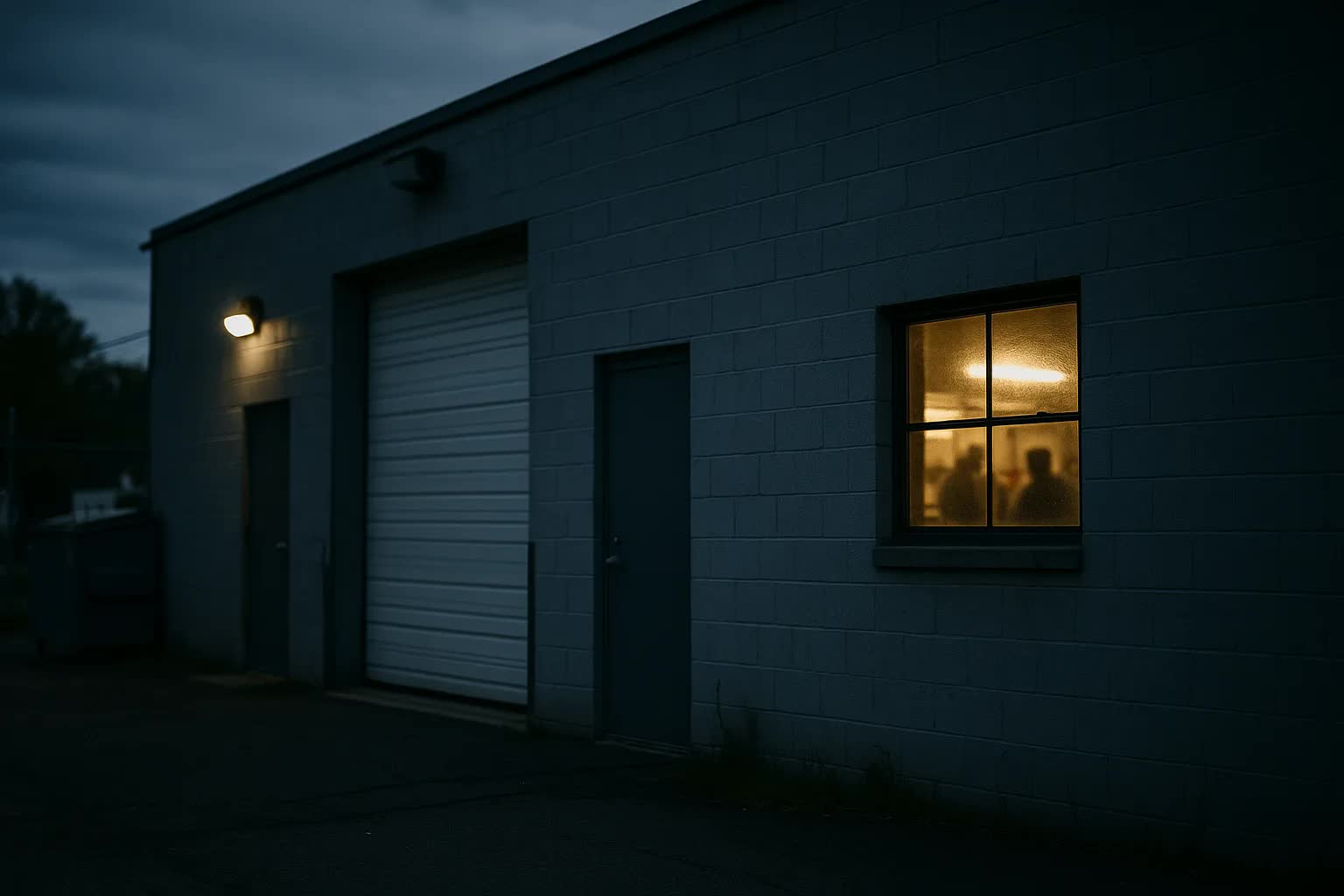
The boom has landed in warehouses, abandoned office parks and industrial buildings in towns such as Secaucus, Edgewater and Ridgewood, where operators have installed banks of specialized computers that chew through electricity to validate crypto transactions. Local utilities say the activity is outpacing municipal permitting and that some sites are effectively functioning as unregulated data centers, prompting emergency inspections and red flags about equipment that can trip substations and concentrate demand at peak hours.
"We've seen loads that don't fit any normal business profile," said Mark Deluca, chief engineer at Bergen County Utilities. "These facilities can look like a factory on paper but behave like a blackout risk on the system. When several appear on the same feeder, you suddenly have more than the infrastructure was built to handle."
In Ridgewood, Mayor Elena Cortez said her borough has received dozens of complaints about continuous noise from cooling fans and unexplained brownouts in small business corridors near Bloomfield Avenue. "Residents call and describe flickering lights and HVAC units cycling like never before," Cortez said. "We're trying to balance property rights with safety and zoning; when power infrastructure is at stake, the public interest must come first."
The scope of the increases is measurable. Since July, Bergen County Utilities recorded a 37 percent jump in peak demand across seven municipalities where new mining sites have been identified, adding roughly 85 megawatts of load during evening peaks; county planning offices logged 124 zoning complaints and 14 active investigations between August and November; individual facilities inspected last month ranged from operations with about 2,000 miners drawing an estimated 6 to 8 megawatts to larger sites with as many as 8,000 machines using roughly 25 to 28 megawatts of continuous power per location.
Municipal officials describe a familiar pattern: operators submit applications that describe the properties as "high-density compute" or light manufacturing and then ramp up equipment after approvals. Towns including Secaucus and Ridgefield Park are moving to tighten definitions in zoning codes and consider temporary moratoriums while county planners and the New Jersey Board of Public Utilities weigh regulatory responses. "We're not opposed to innovation, but when something presents an unquantified risk to public infrastructure, prudence requires a pause," said Asha Menon, deputy director of the Bergen County Planning Department.
Utilities are responding on multiple fronts, from installing more granular meters to dispatching crews for nighttime inspections, and contracting private engineering firms to model the risk to substations that feed urban corridors of New York City. Palisade Energy Solutions, a private engineering consultant working with several municipal utilities, has begun retrofitting transformers and recommending new protective relays to isolate faults. "This is not a theoretical problem," said Dr. Samuel Kwan, an energy systems analyst at the New Harbor Institute. "The combination of high-density, always-on loads, and often improvisational wiring is a recipe for wider service interruptions if it's not controlled."
Small businesses and residents in New York City say they've already felt the spillover effects. Roxana Patel, who owns a café on 14th Street in Chelsea, said periodic voltage dips this fall caused refrigeration units to reset and cost her inventory. "We never had these kinds of hiccups before—last month a sandwich case went warm twice in one week and my wholesale bill jumped," Patel said. Meanwhile, bodegas and laundromats in neighborhoods such as Williamsburg and Astoria report paying higher demand charges as utilities shift costs and implement time-of-use pricing to discourage heavy usage during peak windows.
Legal fights are multiplying. A company calling itself BitForge Labs filed suit this fall after Ridgewood's zoning board denied an operational permit; the firm contends its site is a lawful data-processing center and that municipal regulators are overreaching. State regulators, meanwhile, are drafting guidance on classification, metering and interconnection standards that could limit how quickly facilities can come online. Commissioner Harold Mendez of the New Jersey Board of Public Utilities said the agency is evaluating both short-term emergency measures and longer-term rulemaking to ensure grid safety while addressing the evolving industry.
Advocates on both sides promise further escalation. Some crypto operators argue they bring jobs and can repurpose idle industrial real estate, even offering to channel waste heat into district heating or greenhouse projects; environmental and consumer groups remain skeptical. "There are legitimate energy uses and legitimate ways to innovate, but these operations must pay for their true grid impact and not offload risk onto municipalities or neighboring city consumers," said Sofia Klein, director of Clean Grid NJ. Town councils in Bergen County are scheduled to vote next month on moratoriums and new zoning language, and the state board has signaled a public hearing in early 2026 — developments that could reshape whether suburban New Jersey becomes a new frontier for mining or a cautionary tale for cities that share their power.