Decoding the Past: The Met Explores the Hidden Meanings of Chinese Decorative Arts
At The Met, more than a hundred objects in porcelain, jade, lacquer and silk reveal that Chinese decorative arts were never simply decoration.
By Iris Ye · August 8, 2026 · 4 min read
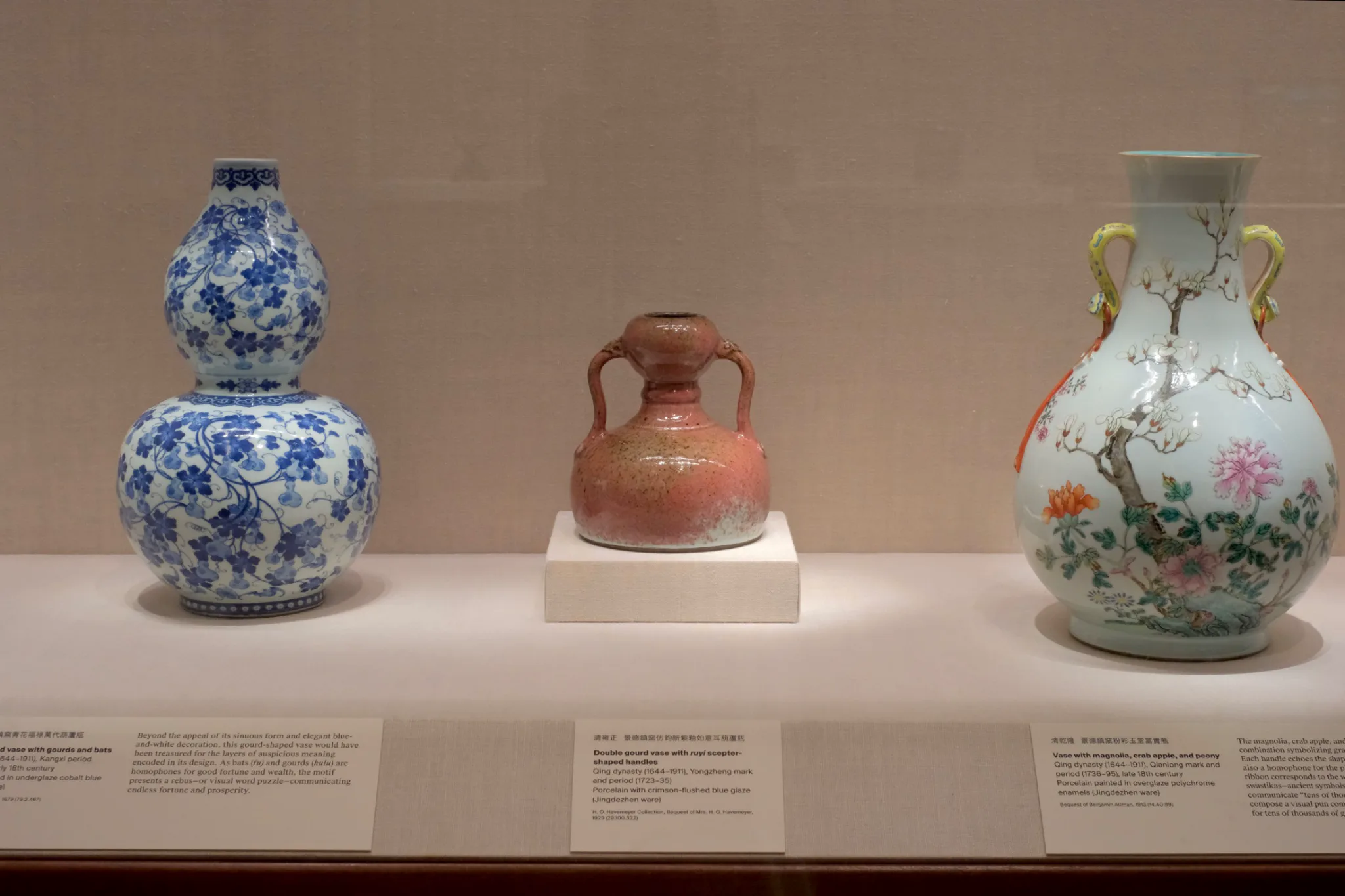
NEW YORK — A Ming dynasty water dropper shaped like a rhinoceros, a celadon bowl with two fish and an intricately carved Qing dynasty jade incense burner may appear to be silent remnants of another time. At The Metropolitan Museum of Art, however, such objects become entry points into the everyday lives, artistic traditions and cultural exchanges that shaped Chinese material culture over the past millennium.
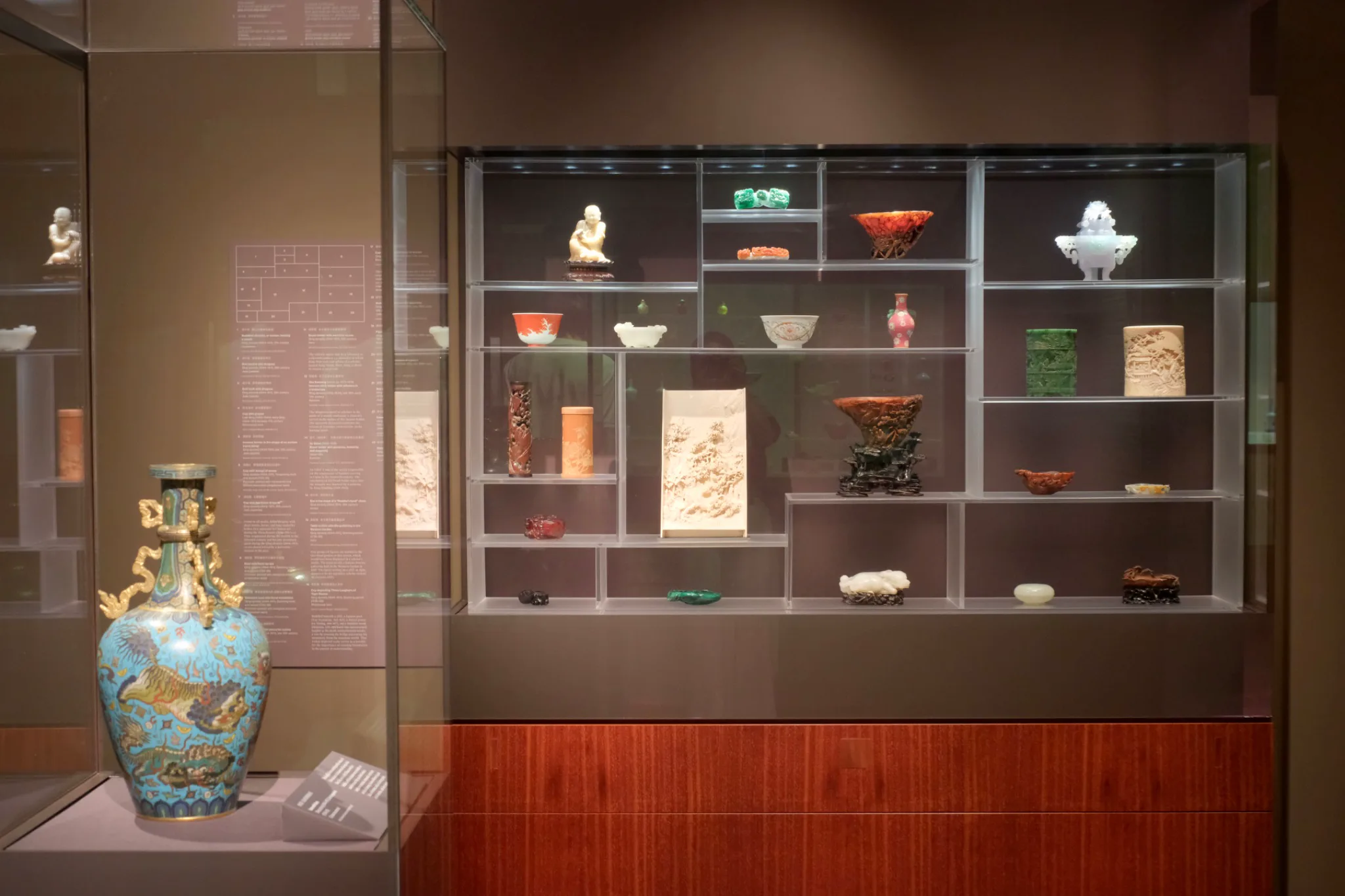
“Decorative Arts in China, 1000 to the Present,” which opened at The Met Fifth Avenue on July 25, brings together more than 100 works in porcelain, metalwork, lacquer, jade, bamboo, silk and other materials. Drawn mainly from the museum’s collection, the objects range from elaborate royal commissions to restrained works made for domestic markets or export.
Rather than organizing the display primarily by material or historical period, the exhibition places different forms of art in conversation with one another. Its approach examines changing tastes among different social groups while emphasizing both the artistic mastery of Chinese artisans and the broader cultural traditions behind their work.
That framework also challenges the limits of the term “decorative arts.” In many Chinese historical contexts, objects now placed under that label were not created simply to ornament a room. They could serve practical, ceremonial and social purposes while conveying ideas about status, personal character, religious belief or good fortune. A 15th-century copper-alloy water dropper takes the form of a rhinoceros, turning a functional scholar’s object into a miniature sculpture. Nearby, a Qing dynasty jade incense burner combines a vessel form shaped by Indian influence with floral motifs derived from Persian decorative art, while its leaves and petals draw on techniques associated with Chinese lacquer carving. In a single object, craftsmanship records how artistic traditions could meet, travel and be reinterpreted.
For viewers unfamiliar with these traditions, learning how an object was used — and what its material, form or imagery once signified — can fundamentally change the act of looking. A vessel can carry an auspicious meaning; jade can embody moral ideals; and an object made for export can reveal how Chinese artisans responded to foreign tastes while adapting established visual traditions to new audiences.
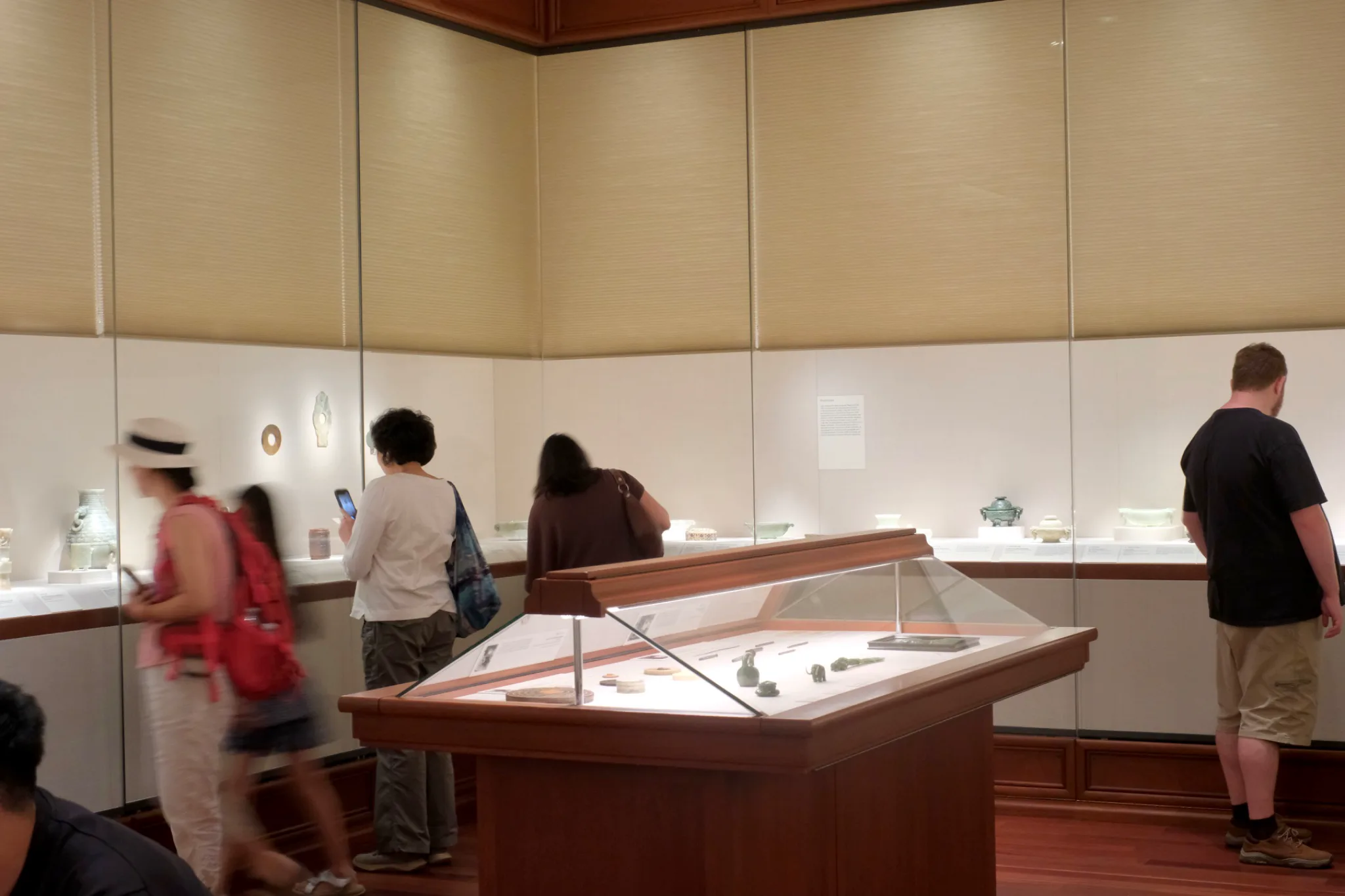
By restoring such context, museums can reconnect visually compelling objects with the human experiences, beliefs and social practices that once surrounded them.
A neighboring exhibition, “A Lasting Legacy: Chinese Jades from New York Collections,” extends that conversation into the history of American collecting. Featuring 50 objects from The Met collection displayed alongside works from the museum’s celebrated Heber R. Bishop holdings, the exhibition traces the growth of American interest in Chinese jade and the changing understanding of its history and cultural significance.
Jade has been valued in China for thousands of years not only for its beauty, but also for the human qualities associated with the material. Its gentle color has been connected with benevolence, its soft luster with humility, and its durability with integrity. Yet those meanings were not necessarily apparent to early American collectors encountering the works outside their original cultural environment.
The exhibition shows how American understanding of Chinese jade has evolved as collectors, scholars and museums have gained greater knowledge of its history and significance.
That process matters in an age when unfamiliar cultures are often first encountered through rapidly circulating digital images. “Museums provide the historical context that allows viewers to see beyond surface beauty, recovering an object’s original meanings rather than just presenting an exotic image or decorative symbol.”
At a time when China-U.S. relations are often framed through diplomacy, trade and technological competition, cultural institutions offer a quieter form of encounter. Here, visitors can approach another culture not first through policy or politics, but through the objects people made, used, admired and passed down.
In New York, these objects remain rooted in histories thousands of miles away. Yet when their meanings are restored alongside their beauty, they can speak again — not only about China’s past, but to audiences encountering that past in the present.