East Village Burlesque Reinvents Itself With Queer‑Led Troupes
New, queer-led burlesque groups in the East Village are retooling the genre with inclusive casting and politically charged themes.
By Tarek Mahmoud · January 3, 2026 · 5 min read
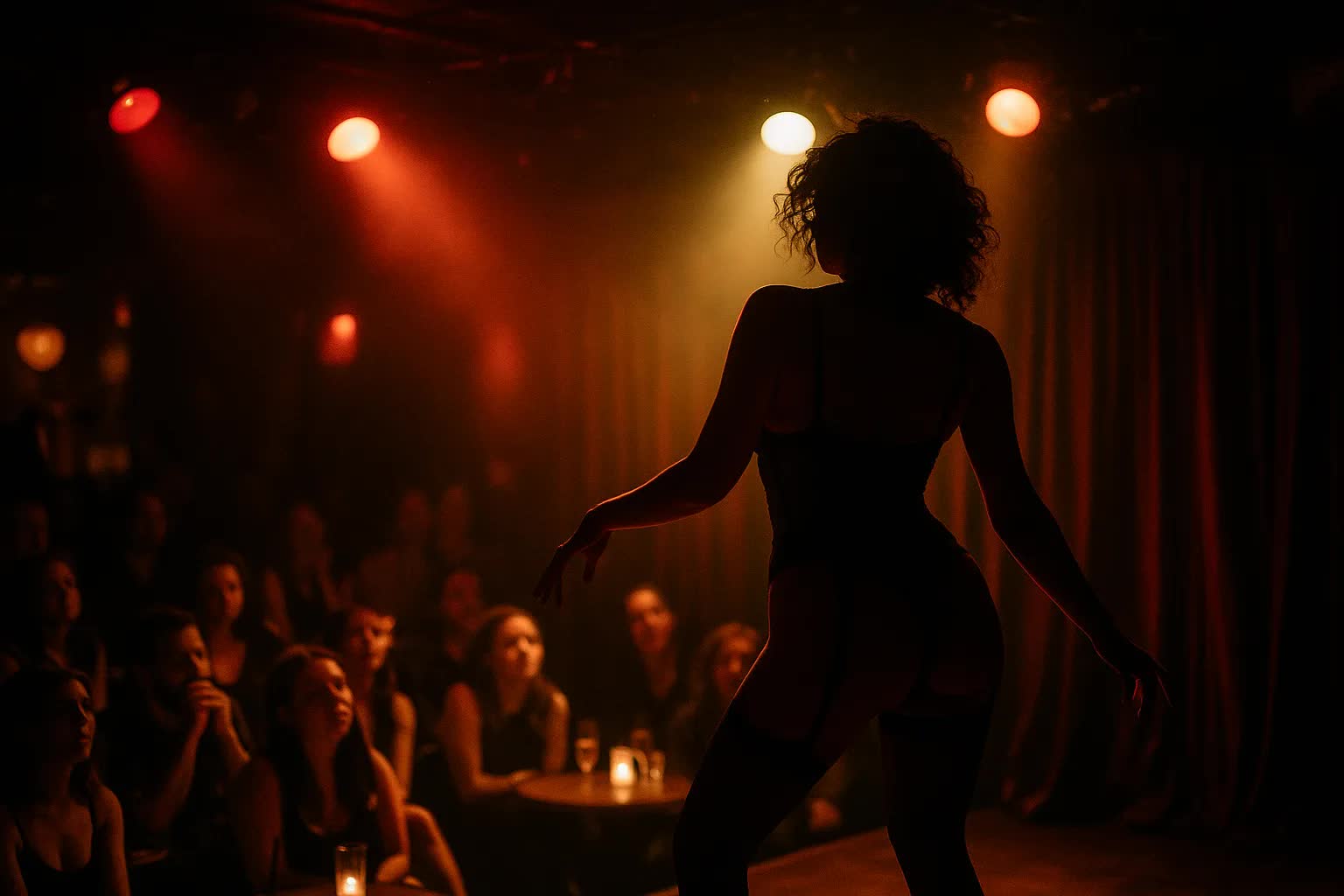
On a frigid Wednesday in early December, a line snaked down East Seventh Street past the subway entrance and a juice shop near Tompkins Square Park as a crowd of students, longtime East Village residents and out‑of‑towners waited to see a late show billed as an exercise in queer reclamation of burlesque; inside a storefront theater on St. Mark's Place, performers of varied genders, body types and ages peeled away the mockery and left politics, humor and vulnerability on the stage. New, queer‑led troupes across the East Village are retooling the genre with inclusive casting, explicitly political themes and production values that blend DIY grit with professional discipline, and the results are reshaping how locals talk about nightlife on Avenue A, between the Bowery and the East River.
Burlesque has long been part of the East Village cultural fabric, from the vaudevillian nights of the 1920s to the drag rooms of the 1990s and the neo‑burlesque revivals of the early 2000s. But the scene most New Yorkers remember was often narrow in its representations and centered on a heteronormative gaze. The most visible shift now is a conscious move away from that framing, driven by a generation of performers who grew up with queer studies programs at NYU and affordable theater programs in the neighborhood, and who want to make a form of entertainment that reflects the politics of their lives as much as their aesthetic tastes.
"We started Velvet Reverb because we were tired of being told where we fit on a poster," said Lola Fierro, founder of Velvet Reverb and creative director, standing outside a rehearsal studio on Avenue B. "Inclusive casting isn't charity; it's the only way to make the shows honest. We hire trans, nonbinary and cis performers, we pay a living rate and we design acts that call out things like predatory real estate practices and state violence through satire and song." Fierro, a 34‑year‑old choreographer who moved to the neighborhood a decade ago, said the troupe's shows regularly include community partners and post‑show conversations with organizers.
The growth is measurable. Between 2022 and 2025 the number of queer‑led burlesque troupes producing regular shows in the East Village rose from an estimated three to 12, according to a survey conducted by the East Village Arts Coalition; seven local venues now host weekly burlesque nights, with average ticket sales of 120 to 220 per show and annual box‑office receipts estimated at $650,000 across the ensemble of troupes. A post‑show survey of 1,200 attendees last summer showed 38 percent were under 30, 29 percent identified as LGBTQ+, and 33 percent were New Yorkers who said they return at least monthly for the neighborhood's nightlife offerings.
"This isn't about nostalgia for a golden age of the Village, it's about belonging," said Marco Santiago, community liaison for the East Village Arts Coalition. "We worked with venues and the local business improvement district to carve out safe spaces where performers and audiences feel protected, and we monitor noise and safety concerns so residents and businesses aren't blindsided by late nights. It's been a negotiation, but the data shows these shows bring cultural value and foot traffic to Mom‑and‑Pop stores on Second Avenue."
Inside the shows, the aesthetic ranges from vaudeville kitsch to punk‑cabaret. Acts from troupes like House of Moth and The Electric Sirens mix feather fans with zines and improvised choreography; one recent program included an act called "Eviction Tango" that used dance and spoken word to map displacement on a projected map of the Lower East Side. Costumes are often handmade or upcycled from Canal Street finds, and collaborations with local visual artists have turned curtain walls into rotating galleries. The political content is explicit: skits lampooning landlords and satirical tableaux about policing sit alongside numbers that celebrate queer histories and the endurance of selected neighborhood institutions.
Not everyone is enchanted. A few longtime residents of Avenue B and Alphabet City have lodged noise complaints, and a handful of landlords have raised concerns about late‑night crowds outside mixed‑use buildings. Ivy Chen, owner of The Electric Carousel, a 90‑seat venue on St. Mark's Place, said negotiations with the neighborhood were necessary to keep shows sustainable. "We had to set fixed end times and invest in better soundproofing," Chen said. "But the tradeoff is a revitalized weeknight audience that wasn't coming here before. We pay performers more than the old house rates and that has helped build loyalty."
The economic impact extends beyond ticket sales. Performers report earning between $100 and $400 per gig plus tips, depending on the venue and the production, and show nights drive business to nearby restaurants, bodegas and thrift shops. Several troupes run pay‑what‑you‑can workshops and mentorship programs that funnel new artists into paid nights; the East Village Community Center reports that 182 people enrolled in burlesque and performance workshops last year, a 64 percent increase from 2023. Producers also pointed to growing interest from small festivals downtown and from Brooklyn venues seeking to co‑produce shows in spring and fall seasons.
Critics of the movement worry about commercialization and the potential for co‑optation as municipal arts funds and private producers take notice. Members of several troupes say they are navigating those pressures by formalizing performer contracts, instituting consent training for audiences and backstage medics, and creating transparent pay scales. Partnerships with advocacy groups like the invented Coalition for Safer Stages — which stages bystander intervention training and supplies trauma‑informed debriefs after certain shows — have become a selling point for venues that want to signal both inclusivity and responsibility.
For now, the East Village's queer burlesque scene plans to keep expanding. Velvet Reverb announced a spring residency at a new location on the Bowery, and organizers are coordinating a weeklong festival in May that will invite troupes from Brooklyn and New Jersey to share bills. "We're thinking about touring to neighborhoods that aren't seeing this kind of representation yet," Fierro said. "If burlesque has always been a place of reinvention, then we're just making the next chapter visible — and insisting it's political, joyful and open to everyone."