New Federal Rule Ends Open-Ended Student Visas, Reshaping Plans for NYC's International Students
Starting September 15, F-1 students will receive fixed end dates instead of open-ended status, with post-completion grace periods cut in half and new limits on transfers, major changes, and second degrees.
By Aspen Yang · August 10, 2026 · 4 min read
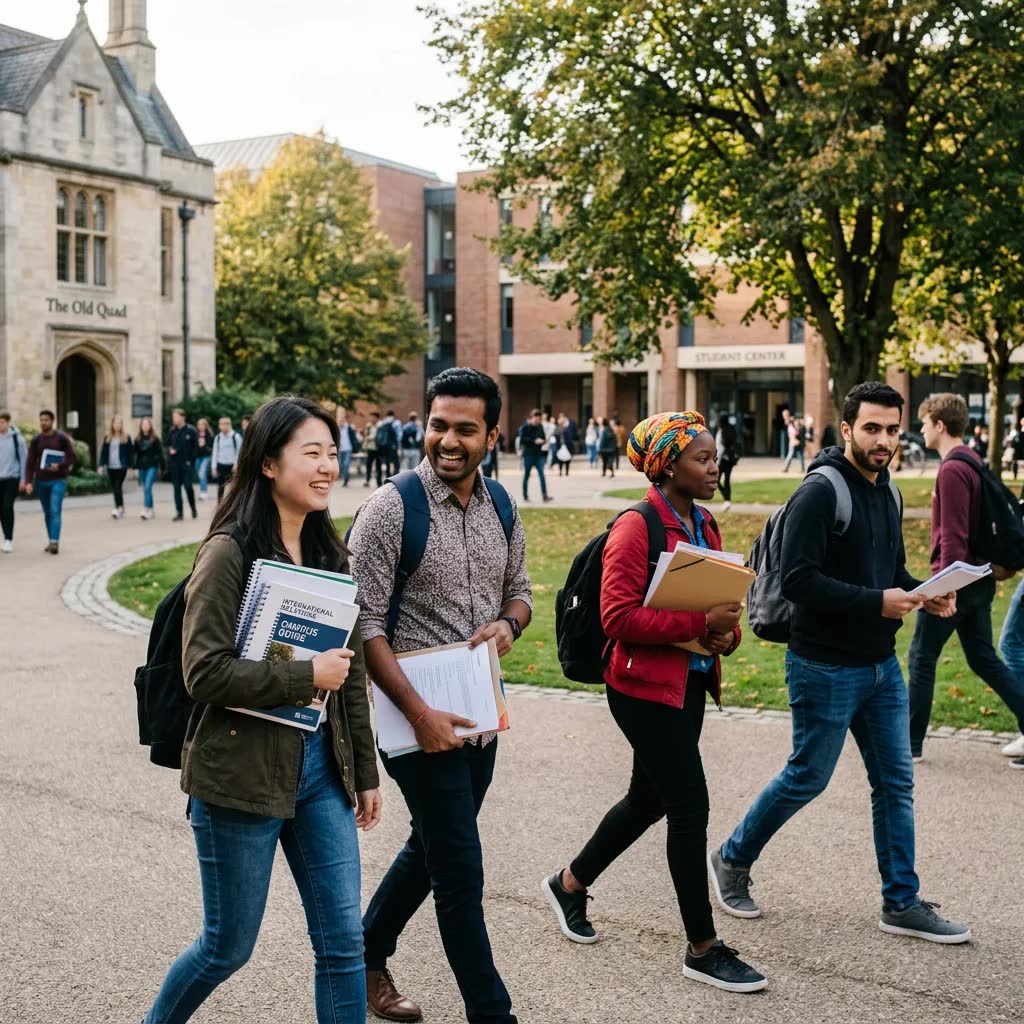
Starting September 15, F-1 students will receive fixed end dates instead of “duration of status,” with post-completion grace periods cut in half and new limits on transfers, majors and second degrees.
In 36 days, the framework that has governed international students in the United States for more than three decades ends.
On September 15, a Department of Homeland Security final rule replacing "duration of status" takes effect. Three numbers define it: a fixed end date on every new F-1 admission instead of an open-ended one; a four-year ceiling on any single period of admission, however long the degree takes; and a 30-day window to leave after a program ends, down from 60.
The change lands hardest here. New York is one of the three largest host states, and no city concentrates the population more densely. NYU reports more than 27,000 international students and scholars — the largest such group at any American institution. Columbia counts 13,729 international students and 3,130 international faculty and researchers. CUNY enrolls more than 6,000 students in F and J status across 25 campuses. Fordham's international office serves over 2,500.
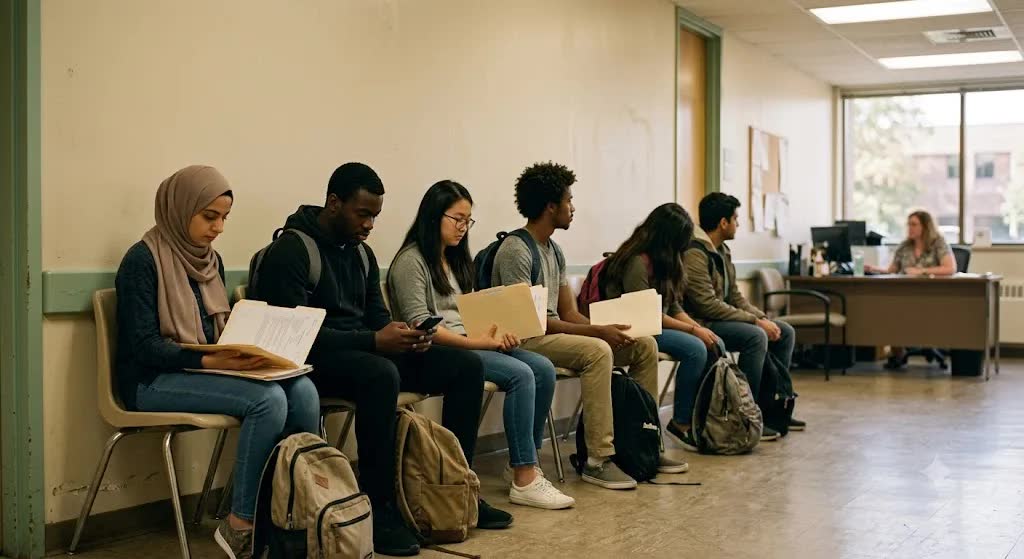
What changes
DHS published the rule in the Federal Register on July 17. It is classified as a major rule subject to congressional review, so the date could still move; DHS says it will publish a separate notice if it does.
A date replaces D/S. Anyone entering or re-entering in F status on or after September 15 receives an "Admit Until Date" on their Form I-94 rather than the letters "D/S." The date is set to the program end date on the I-20, capped at four years from the program start, plus 30 days for arrival and 30 for departure. Students on OPT get a date tied to their employment authorization. The I-94, not the visa stamp, controls the stay.
Extensions move to USCIS. Previously, a student needing more time worked with a designated school official who updated the SEVIS record. Beginning September 15, extensions require filing Form I-539 with USCIS — with a fee, biometrics and a possible interview. Approval is not automatic: students must show a compelling academic reason, a documented medical condition, or circumstances beyond their control. Columbia's international office notes that a change of research topic can qualify, but academic probation will not. USCIS, not the university, decides.
The alternative is to leave and re-enter with an updated I-20, receiving a fresh admission period at the border. For students from countries facing entry restrictions, that door may not be open.
The grace period is halved, matching what J-1 exchange visitors already have. Students currently in the U.S. under D/S keep 60 days until they travel or obtain an extension.
The rule also narrows the academic path. Undergraduates must complete a full year before transferring or changing majors. Graduate students may not transfer, change majors or change educational levels at any point during a program, absent an exception SEVP has not yet defined. No student may enroll in a second degree at the same or a lower level — closing off, among other things, "day-one CPT" master's programs for anyone already holding a U.S. master's.
What campuses are telling students
Guidance across the city converges on two points: be inside the country on September 15, and file early.
Columbia's ISSO is urging students to return before classes begin September 8. Students in the U.S. under D/S on the effective date fall under transition provisions letting them remain to their program or OPT end date with no filing at all, subject to an outer limit of November 14, 2030. Travel and re-entry after September 15 forfeits that.
NYU's Office of Global Services has gone further, telling students who need a program extension to request it through the university before September 15 — starting no later than mid-August — so the school processes it rather than USCIS.
On OPT, there is a cushion: students under D/S who file for post-completion OPT or STEM OPT by March 18, 2027 need no separate extension application.
Before September 15
SEVP hosts a public webinar on the rule Monday, August 31, 2 to 3 p.m. EDT — the government's own explanation, two weeks out.
Until then: pull your I-94 and see whether it reads "D/S"; think hard before traveling; check your I-20 end date against your real timeline and ask for an extension now if you need one; calendar March 18, 2027 if OPT is ahead; and verify anything you read online against the Federal Register text, Study in the States, or your own DSO.
The rule remains subject to congressional review and is widely expected to draw litigation. Until DHS says otherwise, September 15 stands.