Fire Inspectors Target Prewar Walk-Ups on the Lower East Side After Two Recent Blazes
A targeted campaign will audit wiring, fire escapes and tenant safety plans in hundreds of buildings across the neighborhood.
By Zoe Kaplan · January 27, 2026 · 4 min read
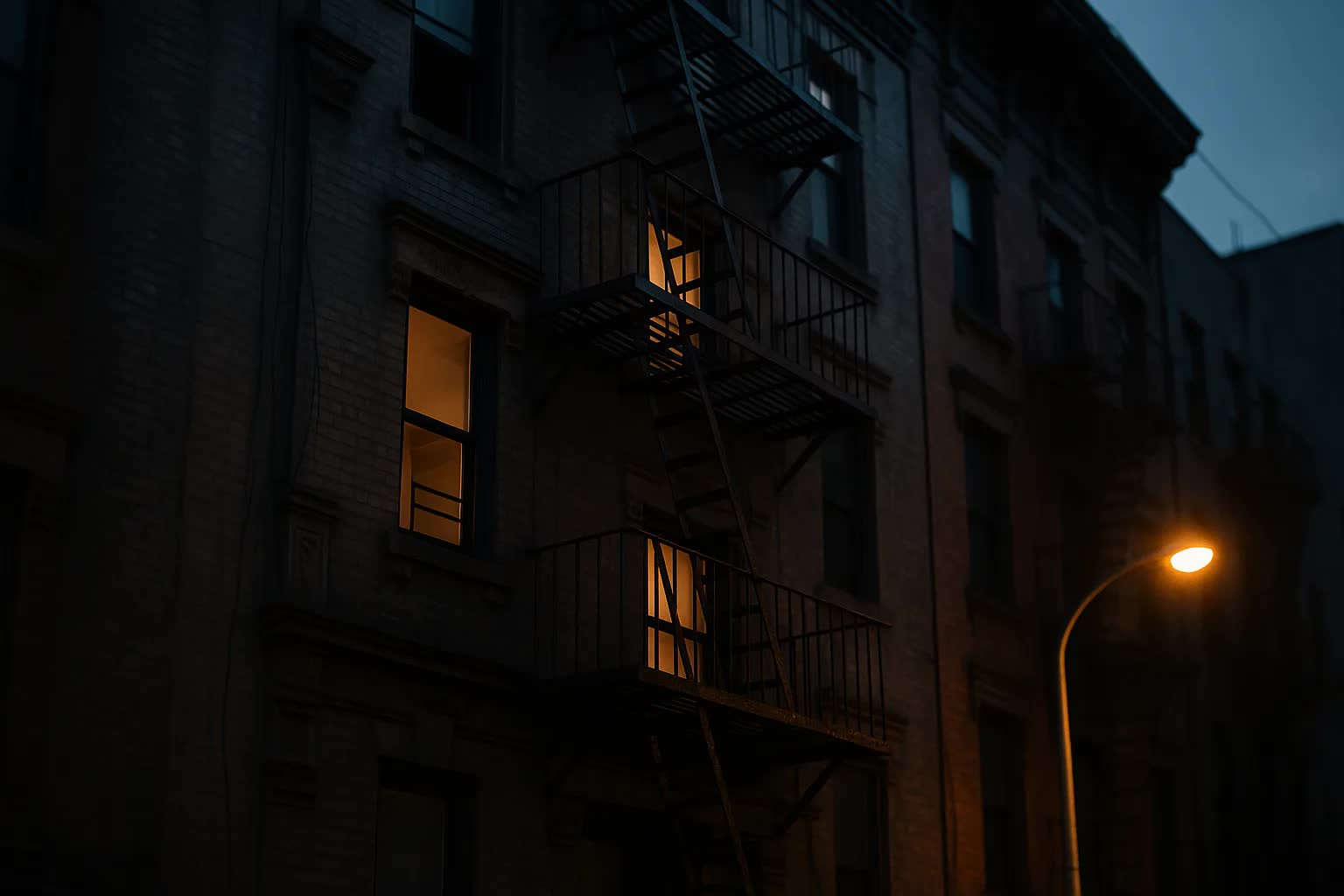
A targeted winter enforcement campaign is descending on the Lower East Side after two electrical fires in prewar walk-ups sent residents to area hospitals and rekindled long-running worries about aging wiring, jammed fire escapes and lax landlord oversight. Starting this week, the Fire Department's Manhattan prevention unit and inspectors from the Department of Buildings will audit hundreds of five- and six-story walk-ups across a compact swath of the neighborhood — from East Houston Street down to Delancey, between the Bowery and the East River — focusing on wiring, exits and tenant safety plans in buildings that underpin the area's dense, mixed-use blocks.
The initiative was prompted in part by back-to-back blazes this month: an early-morning fire on Jan. 8 at 179 Eldridge Street, near Rivington, that investigators say was likely sparked by overloaded circuitry, and a Jan. 15 blaze at 45 Rivington Street that spread from a rear laundry room and sent four people to Bellevue with smoke inhalation. "Two dangerous fires within a week is more than a coincidence; it's a warning sign," said Deputy Fire Marshal Daniel Reyes, who is overseeing the inspections, adding that evidence at both scenes pointed to antiquated electrical systems under strain from modern appliances.
Inspectors will look beyond visible flames. The campaign will include door-by-door visual audits of electrical panels and exposed wiring, physical checks of fire escapes and exit paths, verification of working smoke and carbon monoxide alarms, and reviews of landlords' written tenant safety or evacuation plans. Teams will also be equipped to test for illegal electrical taps and to confirm that licensed electricians performed recent repairs. City officials said the goal is to identify imminent hazards that could prompt vacate orders while also documenting code violations that normally lead to remedial notices and fines.
The operation will be sizable and fast-moving: city officials said it will cover 364 prewar walk-up buildings across Lower Manhattan's Community Board 3 footprint during an initial 90-day sweep, using a squad of 12 FDNY fire prevention inspectors supported by seven Department of Buildings investigators and two enforcement attorneys. According to internal city figures circulated to council aides, the Lower East Side recorded 27 residential fires last year, and inspectors issued 142 hazardous-condition violations in 2025, though fewer than half resulted in repair orders. The two blazes this month directly affected six residents and displaced three households temporarily, officials said.
Local advocates welcomed the focus but warned that enforcement must be paired with tenant protections. "We support sweeping inspections that catch dangerous wiring and blocked egress, but we have seen tenants displaced when landlords are ordered to repair — and then fail to do so in a timely way," said Sylvia Gomez, president of the Lower East Side Tenants Council. "If the city is serious, it must provide emergency relocation support, timelines for repairs, and prosecutions for owners who leave tenants on the hook. Otherwise the neighborhood ends up safer on paper and worse off in practice."
At a bodega on Eldridge Street, tenants described living above wiring that hummed and outlets that spark when the building's heating kicked on. "We bought space heaters because it's cold and the radiators barely work, and sometimes you smell burning in the hall at night," said Daniela Ruiz, 32, who lives on the third floor above a laundromat. "I'm glad they're coming through, but people are terrified of notices that mean rent goes up or they lose their apartment. There has to be a way to make repairs without punishing tenants."
Enforcement options range from notices of violation to immediate vacate orders in cases of imminent danger; inspectors can also issue summonses and recommend civil penalties. The Department of Buildings said landlords must submit proof of licensed contractors and completed work within prescribed time frames or face escalating fines that can reach into the tens of thousands of dollars per violation. Inspectors expect to encounter a handful of longstanding hazards common to prewar stock — cloth-insulated wiring, fused panels without modern circuit breakers, and fire escapes blocked by storage or affixed ladders that no longer meet safety clearance standards.
Property managers said they would cooperate, but some warned of unintended consequences. "We own a dozen walk-ups in the neighborhood and we have been proactively upgrading panels and detectors where needed," said Ben Keller, principal of Keller & Sons Management. "Vehicle-forced change orders and immediate vacate mandates without an orderly process could create chaos and take longer to fix. We support safety inspections, but the city should streamline permitting and provide an expedited process for licensed electricians to get work done quickly." Margaret Hill, supervising attorney at the LES Legal Aid Project, said legal clinics will mount an outreach effort to help tenants understand their rights and seek temporary relocation assistance if needed.
City officials said they would release interim findings to the public and set up a rotating schedule of community meetings at neighborhood hubs, including Seward Park Library and the Tenement Museum's visitor center, to explain inspection results and next steps. Deputy Fire Marshal Reyes said repeat offenders face not only steeper fines but potential criminal referral if negligence is discovered. "This is about preventing loss of life and injury, and we will follow up until dangerous conditions are abated," Reyes said. For now, inspectors will work through the inspections block by block, with plans to reassess and potentially expand the campaign to other older Manhattan neighborhoods later this spring.