Can a New Rule Close a Food Loophole That Has Lasted 68 Years?
A new FDA rule would require food manufacturers to notify the government whenever they decide an ingredient is safe — closing a self-certification loophole that has stood since 1958, though critics say premarket approval authority still requires an act of Congress.
By Aspen Yang · August 11, 2026 · 5 min read
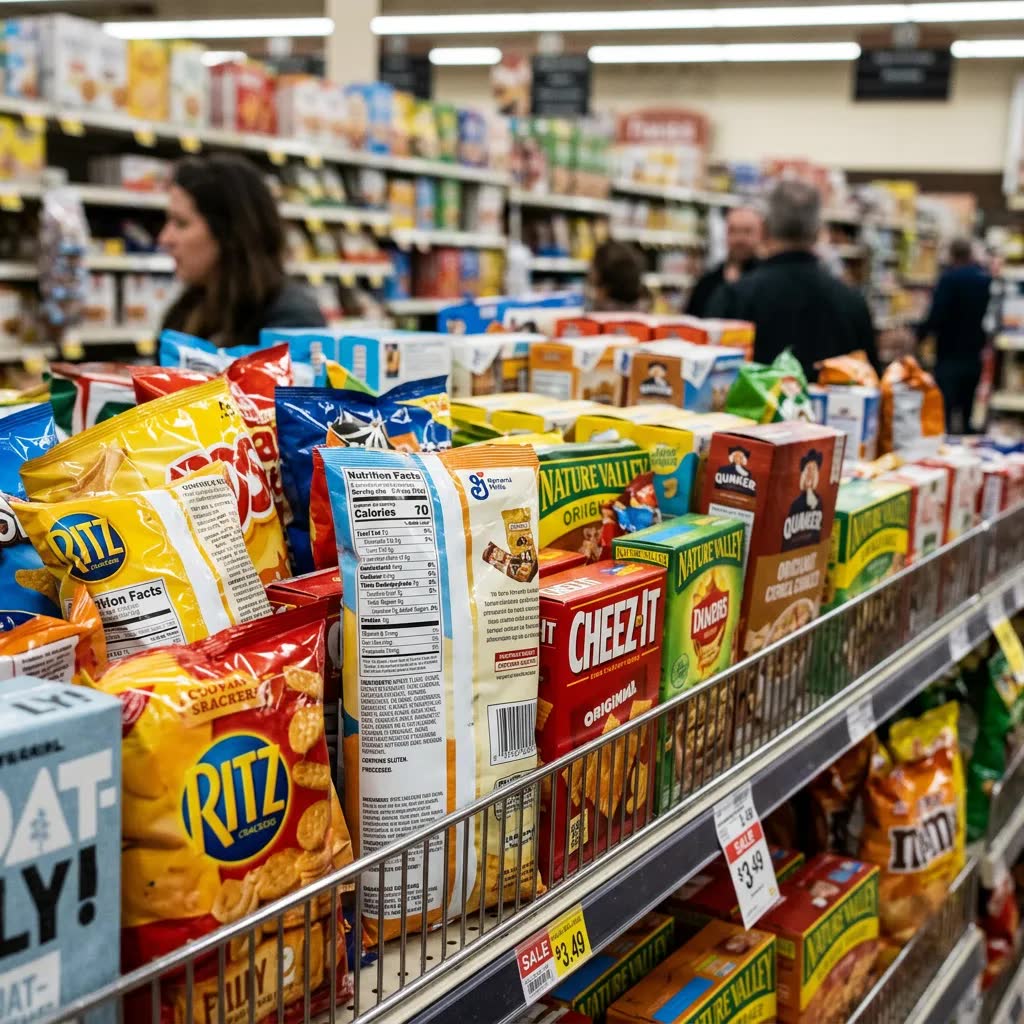
NEW YORK, Aug. 11, 2026 — Pick up a package at a supermarket in Flushing or on Eighth Avenue in Sunset Park and turn it over. Somewhere in that list of ingredients are substances the federal government has never been told about.
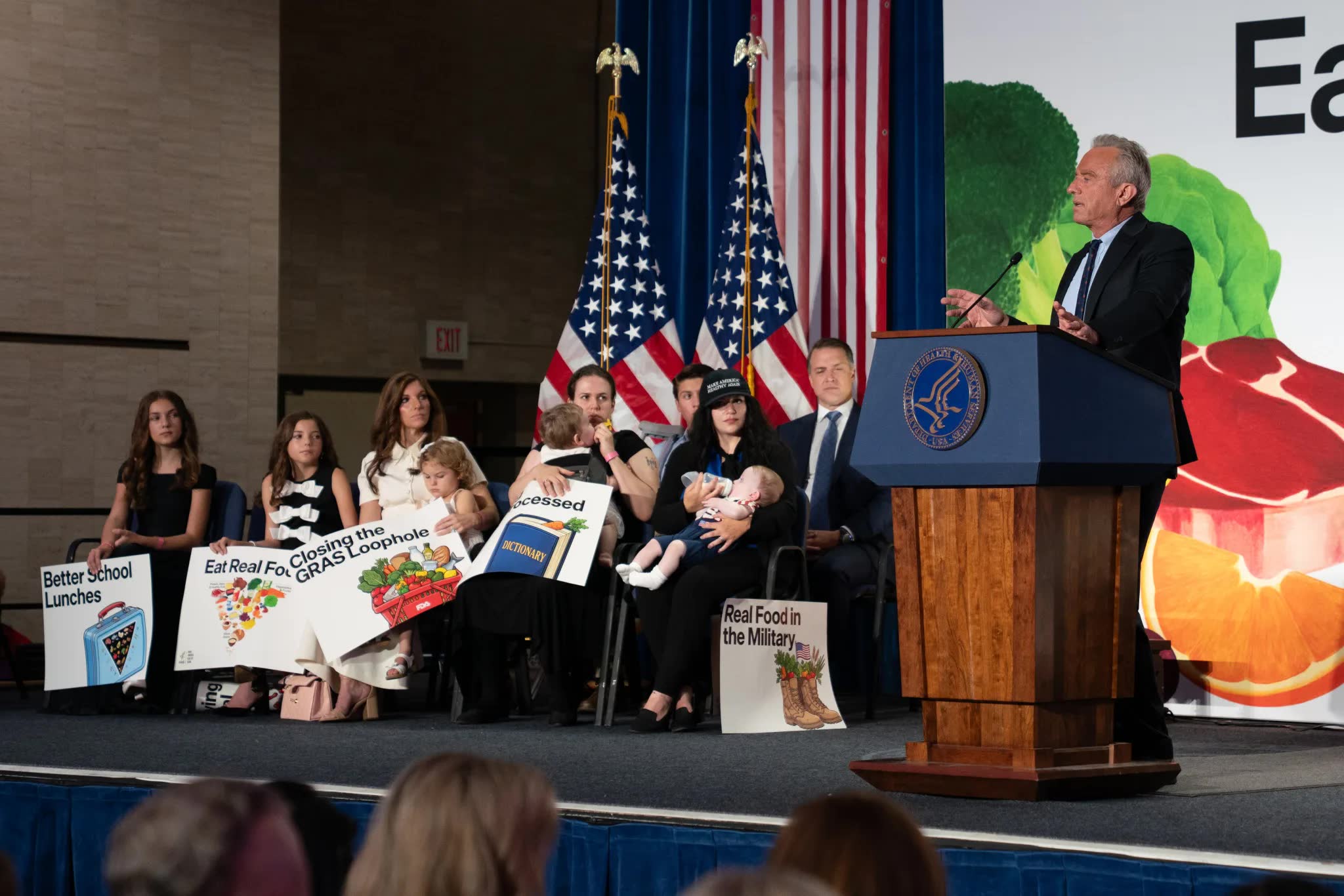
The Food and Drug Administration published a proposed rule Tuesday that would, for the first time, require food manufacturers to notify the agency whenever they decide on their own that an ingredient is safe. Health and Human Services Secretary Robert F. Kennedy Jr. announced the 140-page proposal Monday at the department's Washington headquarters, at an event HHS described on social media as a rally and a celebration. Attendees held hand-lettered placards. One read: Closing the GRAS Loophole.
The system it would change began with a New York congressman. In 1950, the House created a committee to investigate the chemicals entering the American food supply, chaired by Rep. James Delaney of New York. FDA representatives testified that 704 chemicals were then in use in food, of which 428 were definitely known to be safe, according to the committee's 1952 report, which the FDA cites in the new rule.
The committee's finding was blunt: substances were being used without adequate testing of their possible long-range injurious effects, and existing law meant the government could take no action until after a food reached the market and injury may already have occurred. It recommended premarket review
Congress responded in 1958 — and carved out an exception. Substances generally recognized as safe by qualified experts, or GRAS, would not need approval before sale.
The exception grew into the main road. By January 2011, more than 10,000 additives were estimated to be in use in food, including roughly 1,000 for which companies had reached their own conclusions and never notified the agency, according to figures the FDA cites in the rule. The agency adds that it cannot verify those estimates. Seventy-six years after Delaney's hearings, the FDA's own answer to how many substances are entering the food supply this way is, in the rule's words, an unknown number.
Under the current system, the sequence has three steps. A company concludes an ingredient is safe. It sells the product. It may, if it chooses, tell the FDA.
The proposal makes the third step mandatory, and would expand the agency's public inventory of notices accordingly. It covers not only ingredients added directly to food but also substances migrating from packaging.
What it does not do is create a premarket approval process. Companies could still reach their own conclusions, sell the product, and file afterward. Officials said Monday that genuine premarket review would require Congress to grant that authority separately. Nor does the rule set a penalty: if a company fails to file, the FDA says it would treat that as one factor in prioritizing substances for post-market review.
The case for the change comes largely from the FDA's own enforcement record. In 2022, a product containing tara flour was linked to roughly 400 adverse event reports involving gastrointestinal distress, liver toxicity and hospitalization. When the agency asked the company for records showing it had reached a safety conclusion, the company produced none, according to the rule.
Some warnings the agency has been reissuing for decades. It placed crude stevia extract on import alert in 1991, stating that stevia leaf and its crude extract are not approved additives and are not considered GRAS. Thirty-five years later it is still finding such products, and issued a warning letter over several green tea products in 2022.
For New York's immigrant food businesses, the proposal carries specific weight. Of the more than 1,200 GRAS notices the FDA has filed, 617 came from foreign firms, and 503 of those from countries where English is not the primary language, according to the rule, which would also require English translations of supporting material. Several ingredients the agency names as problem cases are staples of Asian supply chains: stevia leaf, ashwagandha and disposable dinnerware made from areca palm leaf sheath, both placed on import alert.
The FDA estimates the rule would cost the industry about $89.6 million over 10 years in present value, in 2024 dollars at a 3 percent discount rate. Against an industry measured in trillions, the figure cuts both ways: the burden is light, and so is the change.
Consumer groups including the Environmental Working Group say the loophole still lets companies put potentially harmful substances into food without any prior FDA review. The advocacy group AFIT has cited an analysis projecting a 12 percent rise in grocery costs absent a uniform national framework. The law firm Keller and Heckman has said publicly it is reviewing whether the FDA has statutory authority to require notices at all.
Comments are due 120 days after publication — early December — under Docket No. FDA-2025-N-3262. Separately, HHS and the Agriculture Department said they have submitted the government's first federal definition of ultra-processed foods for final review. They did not say what it was.
The Delaney Committee wrote in 1952 that the public was entitled to greater protection with respect to the foods it must necessarily consume.
For shoppers, the near-term change is narrower. You still will not know whether an ingredient was reviewed before it reached the shelf. You will, eventually, know that it is there.