Garment District's Small Manufacturers Ride a Modest Onshoring Wave
A handful of Midtown workshops report rising orders as brands seek faster, closer production, but rents and labor shortages loom large.
By Grace Ng · July 21, 2026 · 4 min read
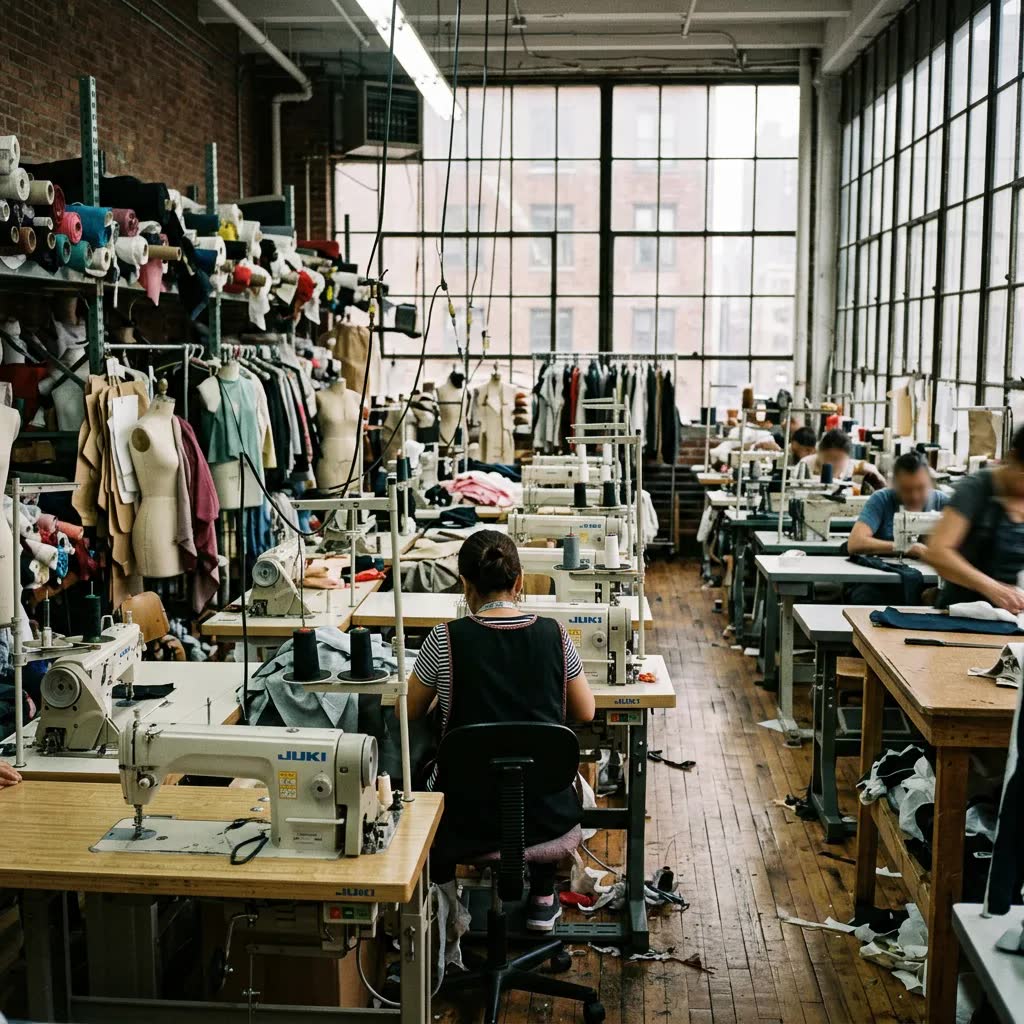
NEW YORK — In the upper floors of aging Midtown buildings that once teemed with sewing machines, a small cluster of garment manufacturers say they are seeing a modest but meaningful uptick in orders, driven by brands eager for faster turnaround and shorter supply chains. The revival, while far from the district's mid-century heyday, has given some longtime workshop owners cautious hope after years of decline.
Manufacturers said the shift stems partly from designers and retailers burned by long overseas lead times and shipping disruptions, who now value the ability to produce small batches quickly and adjust orders on short notice. "A brand can walk over, look at a sample, and have a run finished in weeks instead of months," one workshop owner said. That proximity, he argued, is a genuine competitive advantage that cheaper overseas production cannot easily match.
The uptick has been most pronounced among makers serving emerging designers, sustainable fashion labels, and companies producing specialized or made-to-order goods. Several owners said they had added a handful of workers to keep pace, though they described skilled sewing labor as increasingly hard to find, with fewer young workers entering a trade that once employed tens of thousands across the district.
Rising commercial rents remain the industry's most persistent threat, owners said, as the district's aging manufacturing floors grow more valuable for offices and residential conversions. Advocates have long pressed the city to protect a core of production space, arguing that a functioning manufacturing ecosystem supports the broader fashion economy that remains one of the city's signature industries. Some owners fear that without such protection, the recent gains could prove short-lived.
Industry groups said the modest revival underscored a broader opportunity, if the city and state chose to support it with training programs, affordable manufacturing space, and marketing that connects designers with local producers. "The demand is coming back," one advocate said. "The question is whether the space and the skilled hands will still be here to meet it." Owners said the answer would depend heavily on decisions made in the next few years.