Global Oil Demand Is Falling — But Not Because Supply Is Abundant
Global oil demand is declining in 2026 — but not because supply is plentiful. Constrained shipping routes and surging prices are destroying consumption even as inventories plunge below seven-year lows.
By Iris Ye · August 12, 2026 · 3 min read
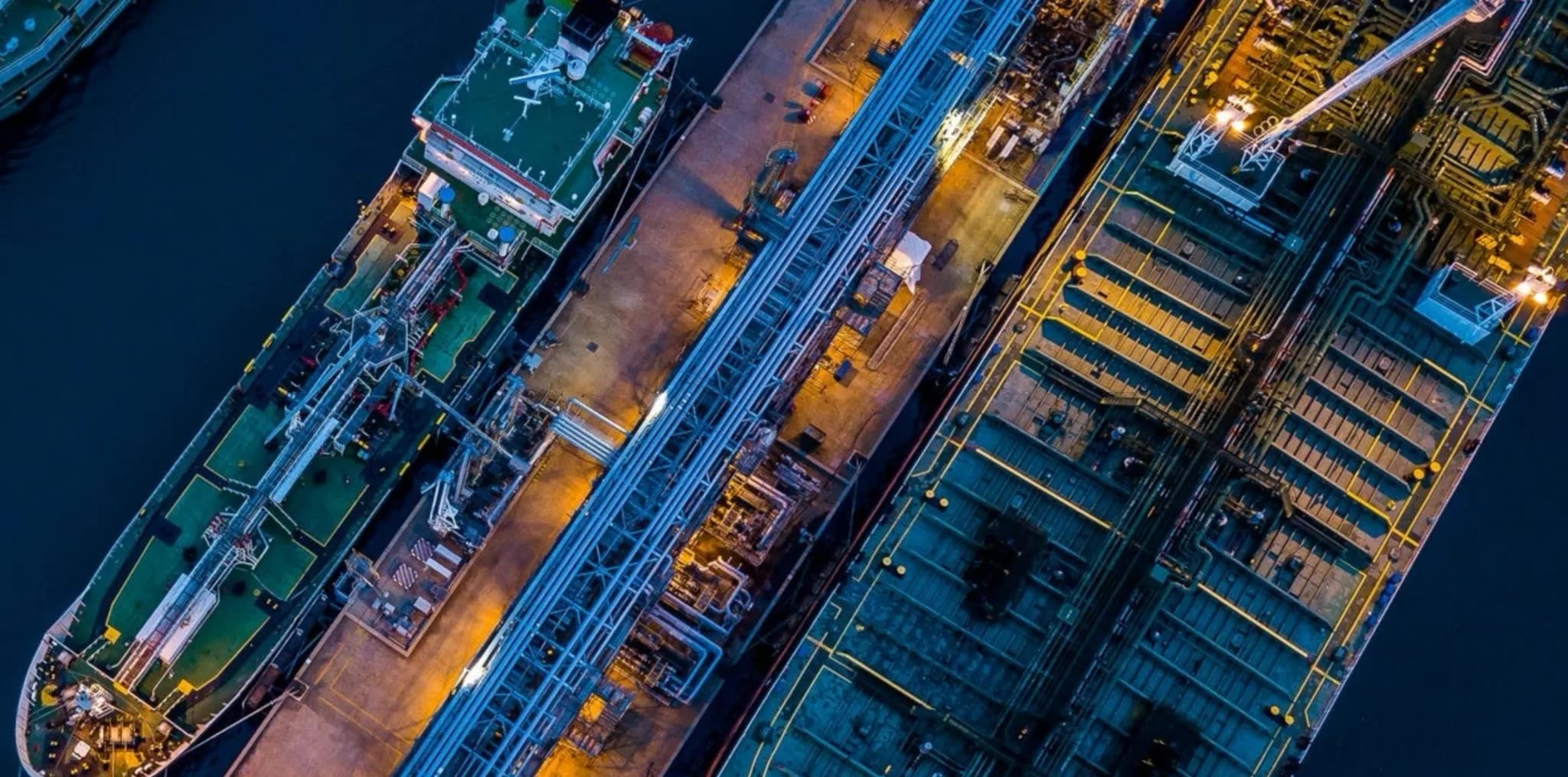
NEW YORK, Aug. 12, 2026 — Global oil demand is falling this year even as supplies remain severely constrained, an unusual combination that shows how the energy shock itself is beginning to suppress consumption.
The International Energy Agency said Wednesday that world oil demand is now expected to decline by 1.6 million barrels per day in 2026, a downward revision of 510,000 barrels per day from its July estimate. At the same time, global supply is forecast to fall by 4.3 million barrels per day, leaving the market tighter even as consumers use less oil.
What makes this shortage unusual is the way it is feeding back into consumption. The continued closure of the Strait of Hormuz has disrupted international supply chains and restricted the availability of fuels, while elevated prices have put additional pressure on households and businesses. The IEA expects demand to contract by 4.9 million barrels per day year over year in the second quarter and by 2.8 million in the third before returning to modest growth in the final three months of the year.
This is not the usual story of demand weakening because the market has too much oil. Constrained supply itself is increasingly contributing to demand destruction: fuel is harder and more expensive to move through the system, and consumption weakens as a result.
The bottleneck is also no longer limited to crude oil production. Gulf output rose by 2.5 million barrels per day in July to 23.9 million, but remained 8.3 million below prewar levels. Regional exports fell by 2.1 million barrels per day to 15 million after the Strait of Hormuz was effectively closed again in early July and oil infrastructure and tankers came under attack.
Even when crude is available, turning it into usable fuel remains difficult. Global refinery crude processing increased in July but was still nearly 5 million barrels per day below a year earlier. Middle East product export disruptions and attacks on Russian refineries have tightened supplies of diesel, jet fuel and gasoline, pushing refining margins to record highs.
This disconnect matters because an oil market can appear better supplied at the crude level while consumers still face shortages of the products they actually use. In other words, recovering crude production does not necessarily translate into recovering fuel supply. The gap between the two helps explain why consumers can still face tight diesel, gasoline and jet-fuel markets even as some upstream production returns.
For the third quarter, the IEA now expects the global oil market to run a deficit of 1.8 million barrels per day, more than double the roughly 800,000 barrels per day estimated in July. Benchmark crude prices also traded within an unusually wide range of nearly $40 a barrel in July as shifting expectations over the conflict repeatedly changed the outlook for supply.
Inventories have provided another buffer, but that cushion is shrinking. Global observed oil stocks fell by 69 million barrels in July and were down 410 million barrels from the start of the war, slipping below 7.9 billion barrels for the first time since April 2025. The IEA said previously available inventory buffers are rapidly depleting.
Different parts of the global market are absorbing the shock in different ways. Rising supply from the Americas is helping offset part of the losses from the Middle East and Russia. China, meanwhile, continued drawing down crude inventories, showing how stored oil can temporarily reduce the need for fresh imports during a disruption.
The IEA expects the imbalance to ease if trade routes normalize. Global oil demand is projected to grow by 2.4 million barrels per day in 2027, while supply could rebound by 8.3 million barrels per day. That rebound would make today’s demand contraction look less like a permanent retreat from oil than a response to an extraordinary disruption.
The 2026 shock is showing that energy security depends on more than production alone. It also depends on whether oil can be transported, refined and delivered when the system is under stress.