GOP Gains in Hudson Valley Reshape County Board Power
Recent local election results handed Republicans control of several county legislatures, upending policy priorities across the region.
By Dominic Russo · December 14, 2025 · 4 min read
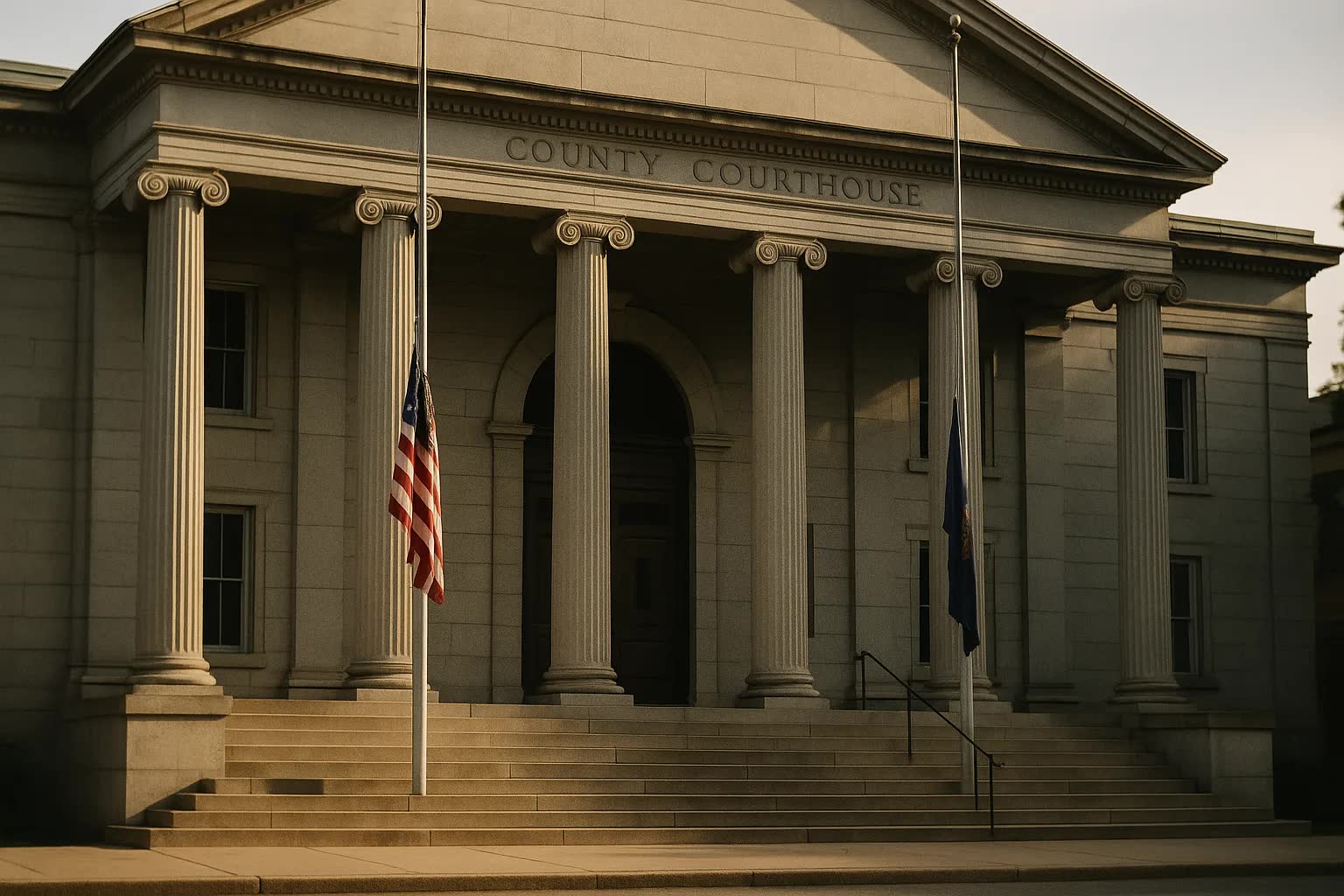
NEW YORK — A surge of Republican victories in last month’s Hudson Valley county legislative races has reconfigured power across the region and sent immediate tremors into New York City’s political and planning circles, where commuter flows and development projects link upstate boardrooms with Manhattan neighborhoods from the Upper West Side to Chelsea. As Hudson Valley residents board Metro-North at Beacon or Poughkeepsie and head into Grand Central each morning, county-level decisions on zoning, taxes and transit subsidies are now likely to tilt more conservative, complicating efforts by city officials and advocacy groups who say cohesive regional planning is essential to relieve pressure on housing and transit in the five boroughs.
The election results were clearest in the corridor north of the city: Republicans seized majorities in three county legislatures that had trended Democratic for the past decade, including Putnam and parts of western Dutchess, and strengthened holds in Orange County. In municipalities that feed commuters into Queens and Manhattan, newly empowered county boards are preparing to revisit affordable-housing incentives, water and sewage permits and approval timelines for mixed-use projects — all areas that can accelerate or slow new housing supply whose ripples reach Chelsea, the East Village and beyond.
Eleanor Price, director of the Hudson Valley Regional Planning Collaborative, said the shifts will be felt in practical terms at the neighborhood level. "When county boards change course on developer fees or road connector projects, it directly affects the pace and price of new housing — and that has a downstream effect on rental markets in the city," she said. Samir Patel, a senior MTA planner who works on regional ridership modeling, added, "We already see summer patterns morph into year-round commuting. If counties change subsidy formulas, Metro-North schedules and local bus connections could be altered, which would be disruptive for riders from Yonkers down to Harlem and the Financial District."
In precise terms: Republicans won control of four of the region’s seven county legislatures up for election, flipping a net total of 28 seats while Democrats held onto or gained 12, according to an NYDailyWatch tally of certified returns and county clerk postings. Voter turnout in the affected counties averaged 39 percent, up from 34 percent in comparable off-year contests; Republican candidates carried an average margin of 6.3 percentage points in the seats that flipped, with rural and exurban precincts showing the largest swings. County balance-of-power now stands at roughly 122 Republican-held seats to 98 Democratic-held seats across the regional legislative rosters.
The immediate agenda items on newly controlled boards read like a map of what could change: renewal of tax-break zones for waterfront redevelopment in smaller cities like Newburgh, revisions to short-term rental enforcement in resort towns along Route 9, and a push to reduce permitting timelines for warehouse and light-manufacturing projects near major arteries leading to I-87. That matters to New Yorkers because many of those projects funnel goods and workers into city neighborhoods, altering traffic patterns in Brooklyn’s Red Hook and Manhattan’s West Side piers and pressuring already stretched freight and passenger corridors.
Local activists said the flips stemmed from a blend of economic anxiety, cultural messaging and targeted ground operations in small towns. "People are voting on school taxes and potholes as much as they are voting on national politics," said Ana Morales, president of Hudson Valley Progress, a grassroots group based in Kingston. "But when county leaders prioritize lower taxes over affordable-housing set-asides, the result is longer commutes and higher rents in neighborhoods where working families in the city have to look for homes."
Developers and business groups in the region greeted the GOP gains with cautious optimism. Jeffrey Lang, CEO of Riverfront Development Group, which has projects in Poughkeepsie and Peekskill, said faster permitting and lower impact fees could unlock stalled construction. "From a project standpoint, predictability matters," Lang said. "If county boards streamline reviews and create clearer timelines, it’s easier to finance and complete mixed-income projects that can ease pressure on housing markets in northern Manhattan and Brooklyn fringe neighborhoods."
But the flips also bring friction. Newly conservative county boards may clash with municipal governments led by Democrats, producing legal skirmishes over zoning authority and environmental reviews. Advocacy groups in Manhattan — including tenant associations in the East Village and community boards in Chelsea — are already strategizing to monitor developments up the river. Zoning lawyers in the city say that while city and state regulations ultimately govern many land-use decisions, counties control crucial approvals and funding that can effectively block or accelerate projects.
Democrats in the region are regrouping. County party leaders in Lower Hudson towns are planning campaigns to contest the next round of legislative seats in 2026 and to focus on board budget votes in January, where small shifts in capital spending can have outsized local impacts. Political analysts point to shifting demographics in suburban precincts — including an influx of younger families into commuter-friendly hamlets — as a potential counterweight if Democrats can translate registration gains into turnout.
Looking ahead, the new makeups of county legislatures will be tested quickly: fiscal year budgets and capital plans come up for approval in January, and several high-profile redevelopment proposals and transportation agreements are on timetables that require county buy-in long before next year’s statewide contests. How those measures move through newly Republican-controlled chambers will reveal whether the changes are a short-term swing or a durable realignment that reshapes the political geography between the Hudson Valley and New York City for years to come.