Gotham Nightlife Owners Lobby for Late-Night Licensing Changes
Bar and club owners argue updated curfew rules and licensing fees could revive the post-pandemic evening economy.
By Priyanka Rao · December 11, 2025 · 4 min read
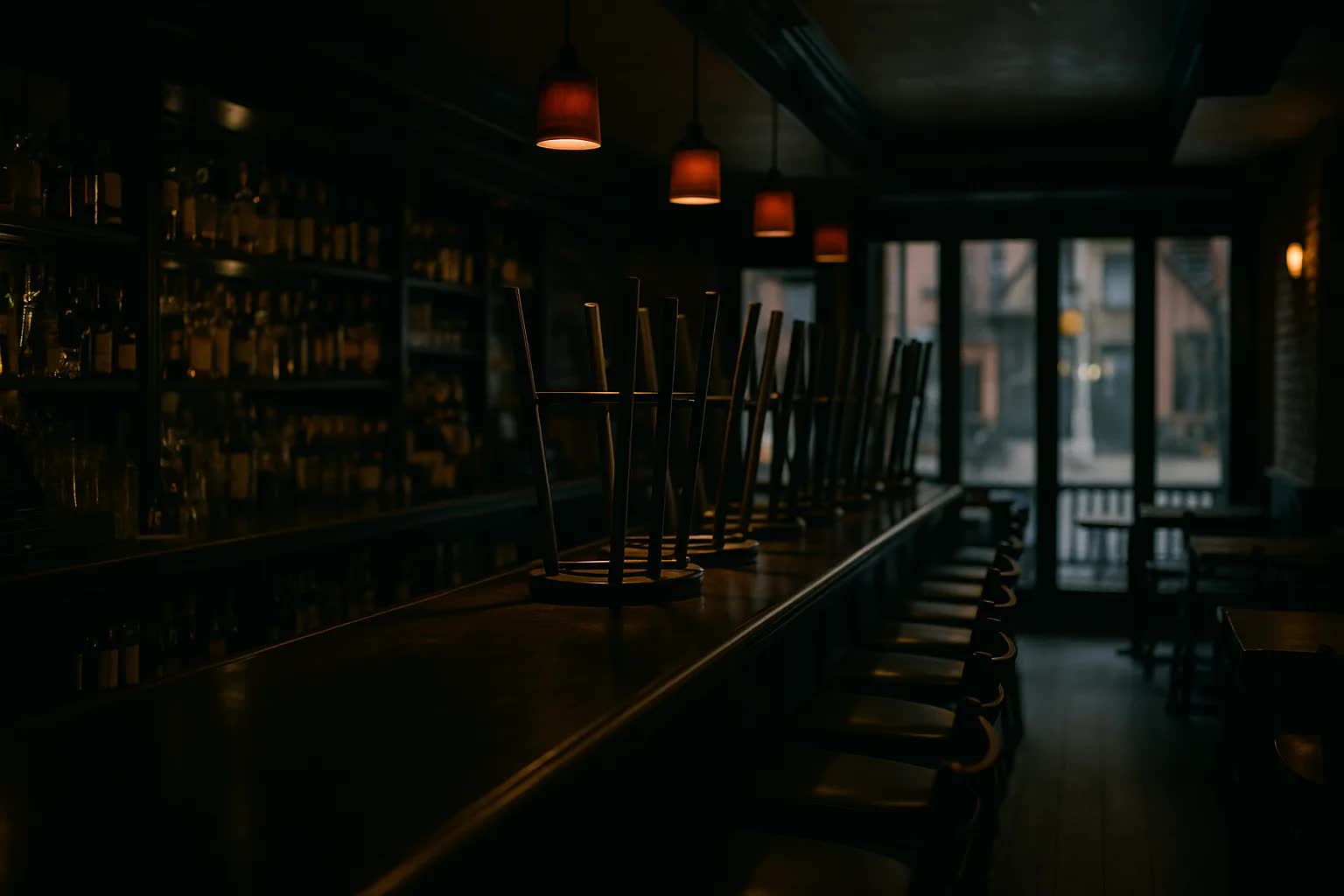
As packed bars on Ludlow Street and pulsing clubs in the Meatpacking District fight to stay afloat, a coalition of owners and hospitality trade groups is pressing City Hall for sweeping changes to New York’s late-night licensing regime, arguing that updated curfew rules and scaled fees could jump-start a stalled post-pandemic evening economy and restore the city’s reputation as a global nightlife capital.
Owners from neighborhoods across the five boroughs met at a hastily arranged summit last month at the Velvet Ferry, a live-music venue in Williamsburg, to lay out a blueprint for what they call a pragmatic modernization of the city’s licensing framework. The proposals, driven by small-business operators as much as by larger nightclubs, seek to reconcile commercial imperatives with neighborhood quality-of-life concerns by creating clearer categories for venues and faster administrative processing.
“We’re not asking for a free-for-all,” said Marisol Vega, owner of The Iron Lantern, a cocktail bar on the Lower East Side that hosts DJs and late-night jazz. “We want a predictable system that recognizes the difference between a 150-person live-music room and a 900-person dance club, so we can plan, hire and invest without having to budget for months of permit limbo.” Vega’s business survived two years of sporadic closures but has struggled to rehire bartenders and sound engineers as foot traffic waned on Stanton and Orchard streets.
Coalition leaders are proposing several concrete changes: a modest extension of curfew allowances for licensed live-music venues to 5 a.m. on designated streets; a tiered licensing fee structure that lowers costs for venues under 200 capacity while increasing compliance checks for larger clubs; and the creation of a single online portal to replace what members described as a confusing stack of forms sent to multiple city agencies. The plan also calls for pilot night-safety deployments coordinated between the city’s nightlife office and local precincts in neighborhoods that volunteer to participate.
The coalition’s pitch includes numbers intended to illustrate both the stakes and the return on investment. They say the city had roughly 4,200 nightlife establishments before the pandemic that collectively supported about 120,000 jobs in evening hours; according to their estimates, employment in the sector is still down roughly 35% compared with 2019. Average licensing fees now run about $3,200 a year for medium-size venues, the group says, and their proposal would reduce annual fees for venues under 200 capacity to $850 while adding a $1,200 safety-compliance surcharge for venues above 500 — a change that, they argue, would cut overhead for struggling operators by as much as 60%.
Not everyone is convinced. Community boards from Greenwich Village to Bed-Stuy raised concerns at recent meetings about noise, late-night trash and public-safety impacts as uptown and downtown residents push back against any loosening of curfews. “We love our restaurants and bars, but we also sleep here,” said Amina Hassan, chair of Bedford-Stuyvesant Community Board 3’s Quality of Life Committee. “Any policy that extends hours has to be matched with enforceable noise mitigation and litter plans; otherwise the burden falls on neighbors.”
City officials signaled cautious interest while insisting on data-driven steps. Laila Benitez, deputy director for the City Office of Night Economy, said the administration is prepared to pilot reforms in selected neighborhoods and to streamline interagency reviews. “We hear operators who are trying to rebuild,” Benitez said. “Our approach will balance economic recovery with public safety and neighborhood livability. The last thing we want is a one-size-fits-all change that benefits a few and harms many.”
Law-enforcement and transit sources say coordination will be critical if hours are extended. Captain Ramon Ortega, the NYPD’s fictional Nightlife Liaison for Manhattan South, cautioned that later operations increase demands on staffing and on transit services, especially on late trains and crosstown buses. “If venues stay open later we have to make sure there’s a plan for crowd management and safe egress to the subway,” Ortega said. “We’ll be looking for robust transportation and policing commitments tied to any licensing changes.”
Operators point to examples abroad and in other U.S. cities where targeted changes produced measurable benefits. Coalition materials cite an after-hours pilot in a mid-sized U.S. city that saw a 12% rise in late-night revenue and a small uptick in employment after streamlining licensing; they also highlight European models where tiered fees and neighborhood liaison officers have reduced complaints while preserving vibrant music scenes. Local landlords and real-estate groups have begun quietly backing parts of the plan, arguing that a lively evening economy supports restaurants, hotels and retail along corridors from Astoria’s 30th Avenue to the Lower East Side’s Delancey Street.
The next test will come at a scheduled City Council hearing in late January, where coalition members expect to present a detailed proposal and lobby for pilot authority. Fundraising for legal and administrative costs is already underway, and several neighborhood precincts have volunteered as test sites. Coalition leaders said they are prepared to accept a phased approach: trial a limited set of changes for 12 months, collect metrics on noise complaints, transportation impacts and revenue, and adapt rules based on what the data show. “We want to be part of a measured recovery,” said Evan Cho, co-founder of the Gotham After Dark Coalition. “Give us the tools to rebuild responsibly, and we’ll do the heavy lifting.”