Gowanus Rezoning Heats Up Again Following Federal Cleanup Report
Developers and preservationists reopen old fights as new EPA findings reshape the calculus for waterfront redevelopment.
By Evelyn Torres · December 29, 2025 · 4 min read
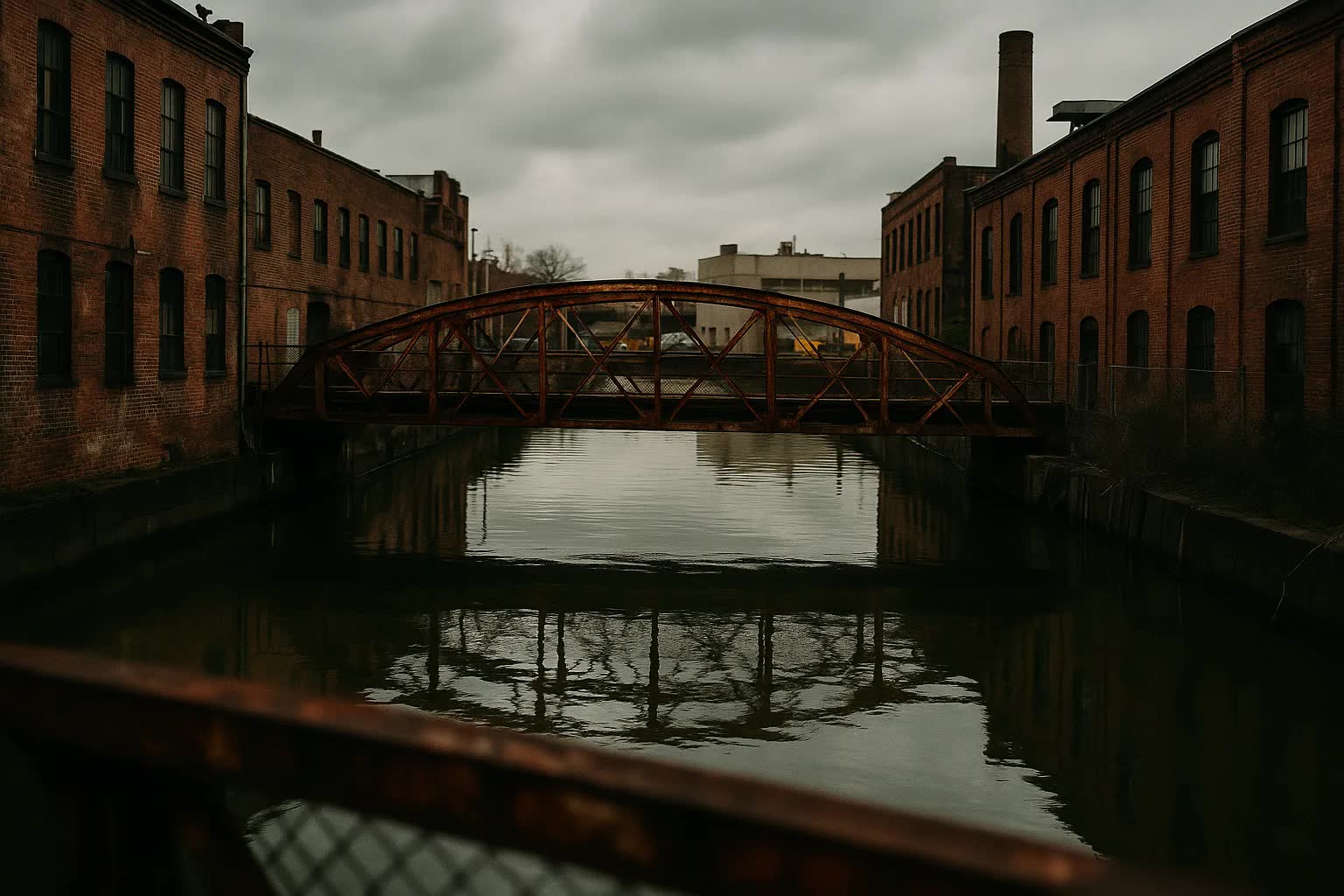
Federal findings about decades-old pollution in the Gowanus Canal have rekindled a bitter city debate over rezoning that would remake a key swath of Brooklyn, forcing developers and preservationists to reassess plans for waterfront towers, brownstone extensions and public open space from Carroll Gardens to Park Slope.
The Environmental Protection Agency on Friday released a report detailing new concentrations of coal tar, polycyclic aromatic hydrocarbons and heavy metals in sediment and groundwater along the canal that will shape the scope of any redevelopment. The agency’s conclusions — that certain hotspots will require deeper dredging and longer-term groundwater controls than previously anticipated — have immediately shifted the calculus for projects proposed along Third Avenue, Smith Street and the blocks surrounding the Carroll Street Bridge.
Local developers whose proposals would add thousands of residential units said the report complicates financing and timelines. "This changes both cost assumptions and the schedule for remediation," said Hector Ramirez, partner at BlueStone Development, which owns a cluster of lots on Nevins Street. "We still believe in Gowanus as an engine for housing supply, but we need certainty about cleanup before we proceed with detailed plans."
Preservation and community groups, who have argued for more parks and lower-density housing, seized on the EPA findings to demand a more cautious approach. "The science supports what residents have been saying for years: you cannot build over contamination without an ironclad remediation plan," said Marisol Alvarez, director of the Gowanus Neighborhood Alliance. "Rezoning can't be a backdoor for developers to push through projects before the canal is safe."
Concrete numbers in the EPA package give new weight to those arguments: the agency estimates dredging and removal of contaminated sediment could total 400,000 cubic yards, with an upfront remediation tab of roughly $780 million and ongoing monitoring and groundwater interception costs projected at $45 million over 30 years. The report also identifies 27 discrete "hotspots" where contaminants exceed the agency’s thresholds, with some areas requiring excavation to depths of up to 18 feet below mean low water.
For the city’s planning officials the report presents a difficult balancing act. A rezoning that would allow taller, denser housing in the 12-block area around the canal has been pitched as a solution to the borough’s housing shortage; planners say rezoning could enable as many as 4,200 new units, including a target of 1,100 income-restricted apartments. But public benefits — new parks, a sewer overhaul and shoreline resilience measures — now face higher cost estimates and potential delays tied to the EPA’s cleanup timetable.
Community Board 6 held an emergency session Saturday at the Carroll Gardens Senior Center, where nonprofit leaders, residents and small-business owners warned that a prolonged cleanup could stall local commerce on Smith Street and Union Street. "We need the city and federal government to coordinate better or our mom-and-pop shops will be collateral damage," said Elaine Cho, president of the Carroll Gardens Merchants Association. An anonymous senior city planner, who requested not to be named because the planning team had not yet briefed the mayor’s office, added that "contingency plans" for procurement and interim uses for vacant sites are being drawn up.
The report also reopens legal and financial questions over who pays. Under federal Superfund guidance, certain former industrial owners could be assigned cleanup liabilities, but the EPA noted it may seek cost recovery from both past and present landowners, and it encouraged the city to consider ensuring developers escrow remediation funds tied to building permits. "We have to avoid a situation where taxpayers pick up the tab for decades of industrial dumping," said Dr. Lionel Mercer, an environmental scientist at the Brooklyn Waterways Institute, who advised the community board during the meeting.
Real estate interests in Boerum Hill and Red Hook said they would press for mediation and for clearer bonding requirements so projects already in approvals pipelines are not left stranded. Several design firms that have proposed waterfront parks and flood-resilient promenades said they could alter plans to accommodate deeper sediment removal and new groundwater collection systems, but warned that additional engineering would raise overall project costs by an estimated 15 to 25 percent.
City officials said they would convene a cross-agency task force with the EPA in January to reconcile the federal remediation schedule with the city's planning and housing goals; they also signaled that public hearings before the City Planning Commission would be pushed back to allow for review of the new data. As the heated exchanges continue on stoops, in storefronts and at community board meetings, stakeholders said they will be watching closely for what the EPA, the Department of City Planning and the mayor’s office do next — a process that will determine whether Gowanus becomes a model of reclaimed industrial waterfront or a cautionary tale about building on contaminated ground.