Green Burials Near the Hudson Attract City Residents
Eco-friendly cemeteries in the Hudson Valley are marketing natural interment as a low-impact alternative for New Yorkers planning ahead.
By Luisa Pereira · December 29, 2025 · 4 min read
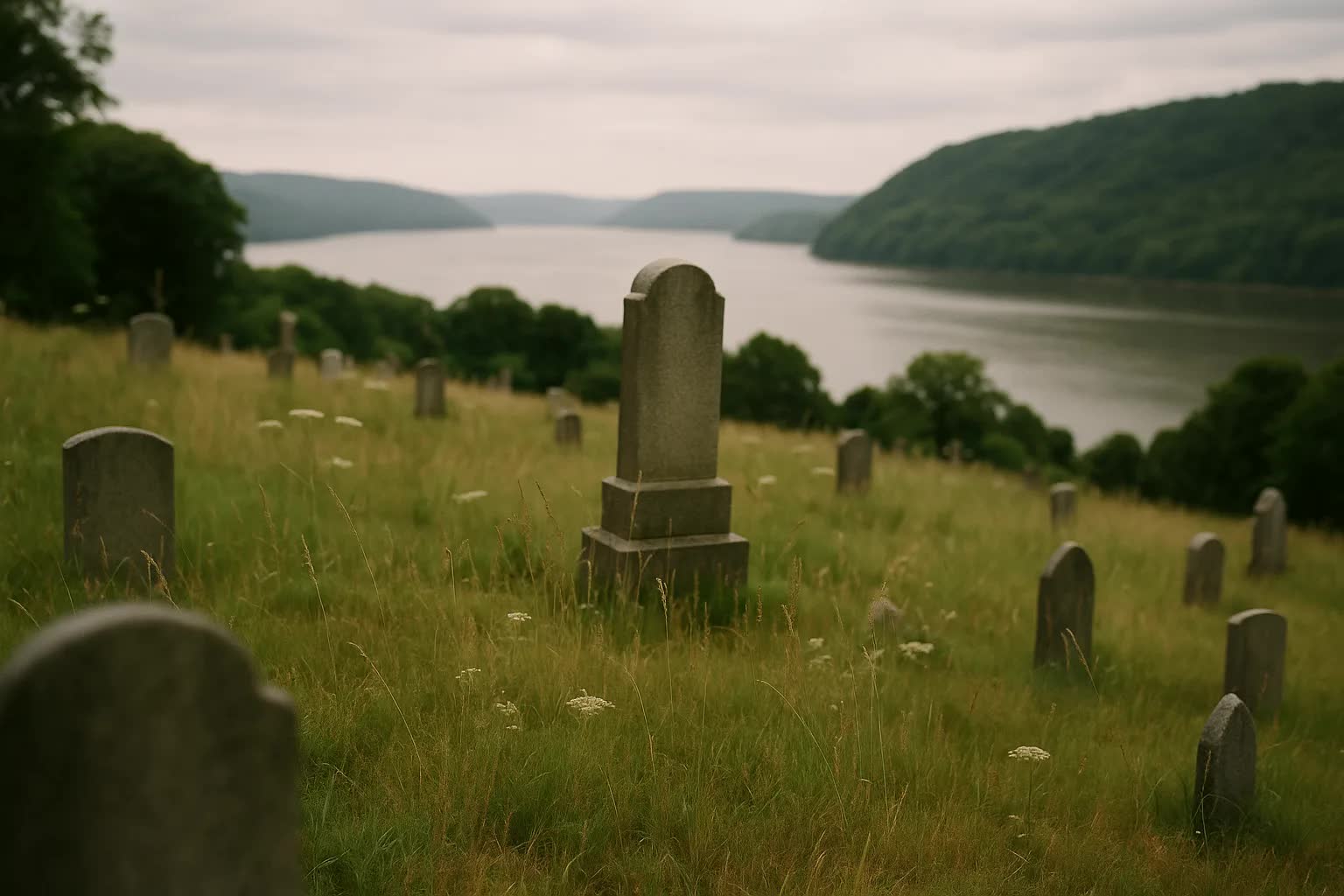
NEW YORK — As more city residents consider long-term planning, a surprising destination is drawing funerary attention: the rolling woodlands and river meadows north of the city. From Park Slope to Washington Heights, New Yorkers are booking weekend trips to the Hudson Valley to tour natural burial grounds that promise low-impact interment in native soils instead of traditional vaults and headstones, a movement that local operators say reflects shifting values about death, land use and urban living.
Green burial sites operate on a simple premise: minimize environmental disturbance and allow the body to return to the earth without chemical preservatives or nonbiodegradable containers. Graves are dug by hand or with light machinery, bodies are wrapped in untreated shrouds or placed in plain wooden caskets, and markers are often limited to GPS coordinates, tree planting or small field stones. Supporters say the approach preserves habitat, reduces carbon output and saves space compared with sprawling cemetery lawns dotted with granite monuments.
"More New Yorkers are telling us they want their papers in order and their impact minimized," said Eleanor Cruz, director of Meadowrest Natural Burial Grounds in Cold Spring. "We get calls every week from people in Tribeca, the Upper West Side and Sunset Park wanting to know how a green burial works, how to preplan, and whether they can combine a family visit with a Saturday at the Beacon farmers market." Cruz said Meadowrest hosts informational walks and preplanning seminars timed to Metro-North schedules to accommodate Manhattan-based visitors.
The numbers illustrate a rapid uptick. Since 2018 the Hudson Valley has added 12 certified natural burial areas and expanded three existing sites, putting roughly 350 acres into low-impact interment management within 75 miles of the city. Burial plot prices for green interment range from about $1,200 to $4,500 depending on topography and services, versus a median New York City cemetery lot now averaging $7,500 plus the cost of a vault and monument. Meadowrest reports that about 62 percent of recent buyers list a Manhattan or Brooklyn address; Hudson Hollow, another operator, said requests for plot reservations increased 38 percent over the last two years.
For many urban families the Hudson Valley offers a kind of spatial relief. Metro-North’s Hudson Line makes Beacon and Poughkeepsie reachable in roughly 90 minutes from Grand Central, while the Saw Mill Parkway and I-87 are regular routes for those driving from the Bronx or lower Manhattan. "We get a lot of folks who want a place that feels like it belongs to the river and the forest rather than a manicured cemetery between an office building and a highway," said Marcus Levine, founder of Hudson Hollow Conservancy in Philipstown. "People from DUMBO and Chelsea tell us they like being able to stand on a ridge and see the Hudson in the distance. It brings them comfort."
Environmental advocates say the benefits extend beyond aesthetics. Natural burial areas often double as conserved habitat, with management plans that forbid pesticides and limit mowing to seasonal corridors for pollinators. Some operators partner with land trusts to protect contiguous parcels from development, effectively converting private property into public ecological value. "When a family chooses a green burial, they're often choosing to preserve that parcel for wildlife and community use in perpetuity," said Anna Huo, program manager at Riverstone Conservancy, which helps steward several small burial meadows near Cold Spring and Newburgh.
Not every part of the process is simple. Zoning rules and state cemetery law can be a maze, and local officials in some towns have pushed back on proposed sites because of concerns about septic systems, road maintenance and increased weekend traffic. "We had to revise our entrance plan twice to satisfy the county highway department," said an unnamed funeral director who requested anonymity to discuss ongoing permit negotiations. He added that logistical issues often prompt operators to invest in gravel pull-offs and shuttle arrangements to avoid clogging narrow country roads that bridge old stone walls and working farms.
City dwellers who attend these sites say accessibility and the feeling of stewardship are powerful draws. "My parents lived in a walk-up on West 23rd Street and loved the river. Choosing a green burial near the Hudson felt right; it was about returning to the landscape they loved instead of a tombstone I never visit," said Sofia Ramirez, a kindergarten teacher from Chelsea. "We went up with my sister on a Saturday, had coffee in Beacon, toured the meadow and then made reservations. It felt less like a transaction and more like care for the place and for ourselves."
Operators are responding with services aimed at New Yorkers: rail-friendly appointment windows, weekend ceremonies timed to local markets and even partnerships with hospice groups to offer preplanning packages. Planners and conservationists say those offerings could change how the region manages land long term, as more parcels are conserved through burial easements. Over the next several years, the sector expects incremental growth and more formal ties to municipal land preservation programs, which could steer development away from sensitive waterfront areas while giving city residents a greener option for end-of-life planning.