Green‑Wood Cemetery's Tours Are Becoming Unexpected Cultural Destinations
Historic cemeteries are expanding programming with walking tours, concerts and memorial art that draw new visitors to Brooklyn history.
By Maya Singh · January 22, 2026 · 4 min read
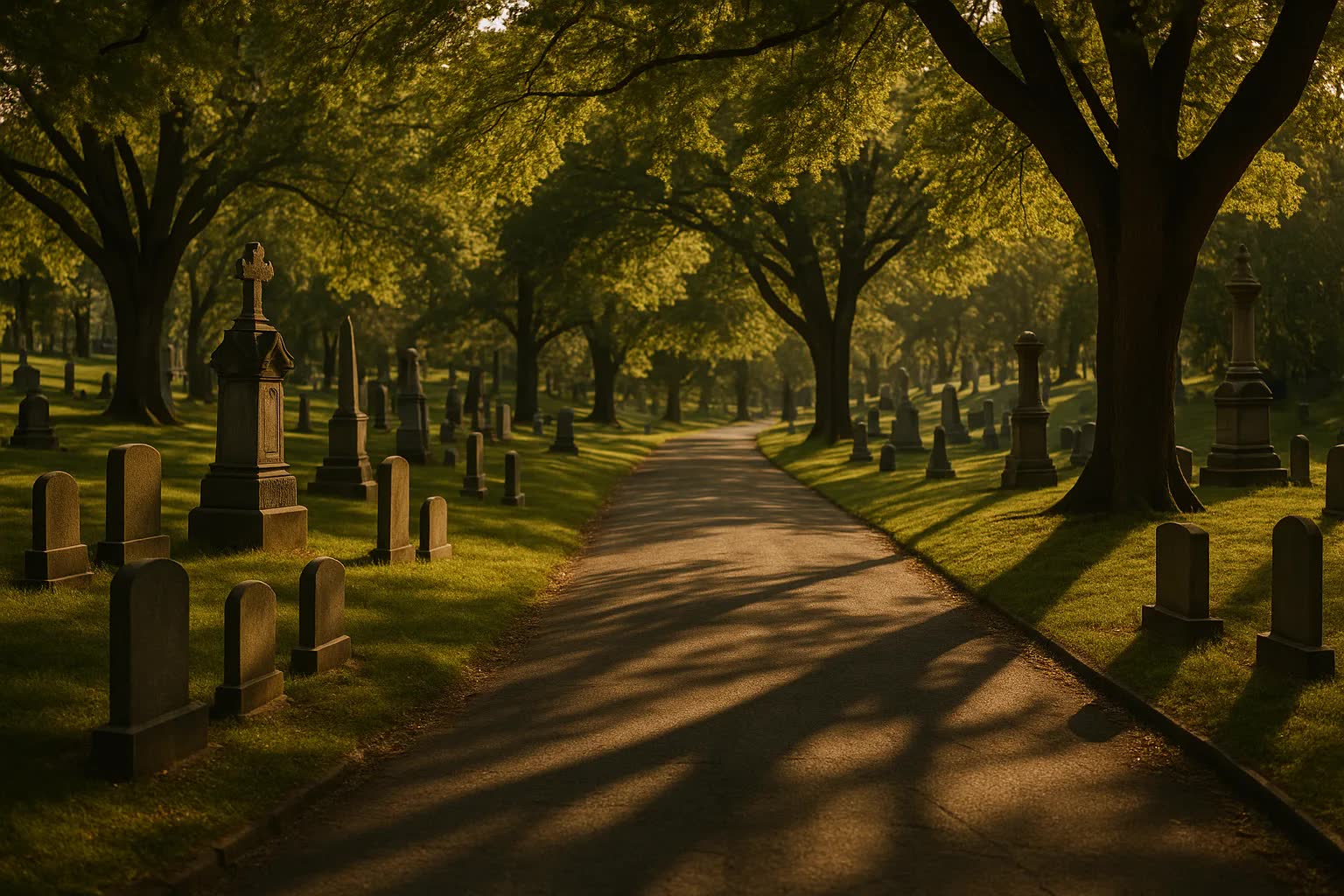
NEW YORK — On a gray January morning, a group of tourists and local residents gathered beneath the towering evergreens on Fifth Avenue at Green‑Wood Cemetery and set off not for a funeral, but to hear a 90‑minute narrative about Brooklyn’s forgotten theatrical impresarios, the Irish immigrant builders who shaped Sunset Park and a sculptor whose work anchors a Prospect Heights intersection. Once a refuge for mourning, Green‑Wood has remade itself into a cultural destination where walking tours, chamber concerts and memorial art commissions are reshaping how New Yorkers experience public history.
Programs that once centered on genealogy and quiet reflection now routinely include pop‑up concerts on the cemetery’s rolling hills, contemporary art installations that reinterpret funerary motifs and neighborhood‑specific walks that trace the borough’s industrial boom from Gowanus to Bay Ridge. Organizers describe the shift as practical and philosophical: with dwindling traditional religious attendance across the borough, historic cemeteries are competing for weekday and weekend foot traffic with museums and parks — and they are doing it by leaning into layered stories and accessible programming.
“We’re not turning graves into a theme park,” said Eleanor Hart, Green‑Wood’s director of public programs. “What we are doing is opening the archive: the stones, the inscriptions, the landscape architecture hold stories that matter to Brooklyn’s present. A walking tour is simply a frame to invite people in.” Hart said the site’s partnerships with neighborhood groups help the cemetery present multiple histories at once, whether it’s a labor history walk geared toward Sunset Park immigrants or an audio tour highlighting Black civic leaders from central Brooklyn neighborhoods.
Those partnerships have broadened the audience. Marcus Lee, a local historian and tour leader who grew up in Windsor Terrace, said the programs now attract a wide cross-section of New Yorkers — families, seniors from nearby Bay Ridge, college students from Park Slope and international visitors staying in Brooklyn Heights. “People expect a cemetery to be solemn, but they also expect histories to be told,” Lee said. “When we design a route that connects a mausoleum to a 19th‑century ivy‑clad monument to a new memorial by a Brooklyn artist, it makes the past feel contiguous, not compartmentalized.”
The numbers underscore the transformation: Green‑Wood reported an estimated 187,000 visitors in 2025, up from about 140,000 in 2019, a 33 percent increase. The cemetery now runs roughly 240 public programs a year, from twilight concert series that seat 250 to more intimate art talks capped at 40. Corporate event rentals account for about 18 percent of non‑endowment revenue, while admissions, guided tours and ticketed art commissions make up another 42 percent. Attendance for weekday tours has doubled since 2021, and weekend ticket sales for seasonal highlights — Dia de los Muertos and the SoHo‑style sculpture walk — routinely sell out two weeks in advance.
Not everyone welcomes the change. A small contingent of longtime members of a local preservation society, speaking at a December meeting of community stakeholders, argued that louder events and increased foot traffic risk disturbing the quiet dignity of the grounds. In response, Green‑Wood has instituted decibel limits for outdoor performances, expanded staffing for crowd management on busy days and created designated routes to keep larger crowds away from sensitive burial sites. Hart acknowledged the tension: “We’ve learned that stewardship is about listening; programming must respect both memory and neighborhood.”
Artists and curators say cemeteries like Green‑Wood offer creative opportunities not available in conventional galleries. The Brooklyn Arts Collective, a nonprofit that curates site‑specific work, staged a 2024 commission that reimagined funerary iconography through light and sound, placing subtle projections on monuments along 25th Street and coordinating with local high school art students in Sunset Park. “It’s an expansive, civic canvas,” said Rosa Alvarez, executive director of the Collective. “Historically, people think of cemeteries as endpoints. As curators, we see them as palimpsests — layers of personal and public memory ready to be amplified.”
Neighborhood businesses have noticed the ripple effects. Cafés along Fifth Avenue between 20th and 25th Streets report steadier afternoon traffic on tour days, and a small gallery on 5th Avenue in Greenwood Heights began offering opening receptions timed to follow Green‑Wood lectures. A tourism consultant advising several Brooklyn cultural institutions said micro‑itineraries that pair a Green‑Wood tour with a Prospect Park walk or an exhibit at a nearby community center help distribute visitors throughout the borough instead of concentrating them in Williamsburg and DUMBO.
Critics warn that commodifying grief risks erasing complex histories, particularly those of marginalized communities interred in less prominent plots. In response, Green‑Wood says it has prioritized inclusivity by amplifying underrepresented narratives and hiring multilingual guides. The cemetery also launched a community advisory board in 2023 that includes residents from Bay Ridge, Park Slope and Sunset Park to vet programming and ensure that the stories presented are rooted in archival research and neighborhood consultation. “We’re aiming for dignified access, not spectacle,” Hart said.
Looking ahead, cemetery planners and cultural partners are mapping ways to make these programs sustainable: longer season calendars that stagger marquee events, more small‑scale neighborhood collaborations and an increased emphasis on preservation funding tied to educational initiatives. Organizers say Green‑Wood’s reinvention reflects broader shifts in urban cultural life — a hunger for history experienced outdoors and a willingness to find new forums for collective remembrance — and they expect the cemetery to remain a laboratory for how cities reinterpret public space in the decade to come.