Peak Season Hits the Greenmarkets, and the City's Cooks Are Racing to Keep Up
Heirloom tomatoes, sweet corn, and stone fruit are flooding farmers markets, turning weekend shopping into a delicious scramble.
By Grace Ng · July 30, 2026 · 4 min read
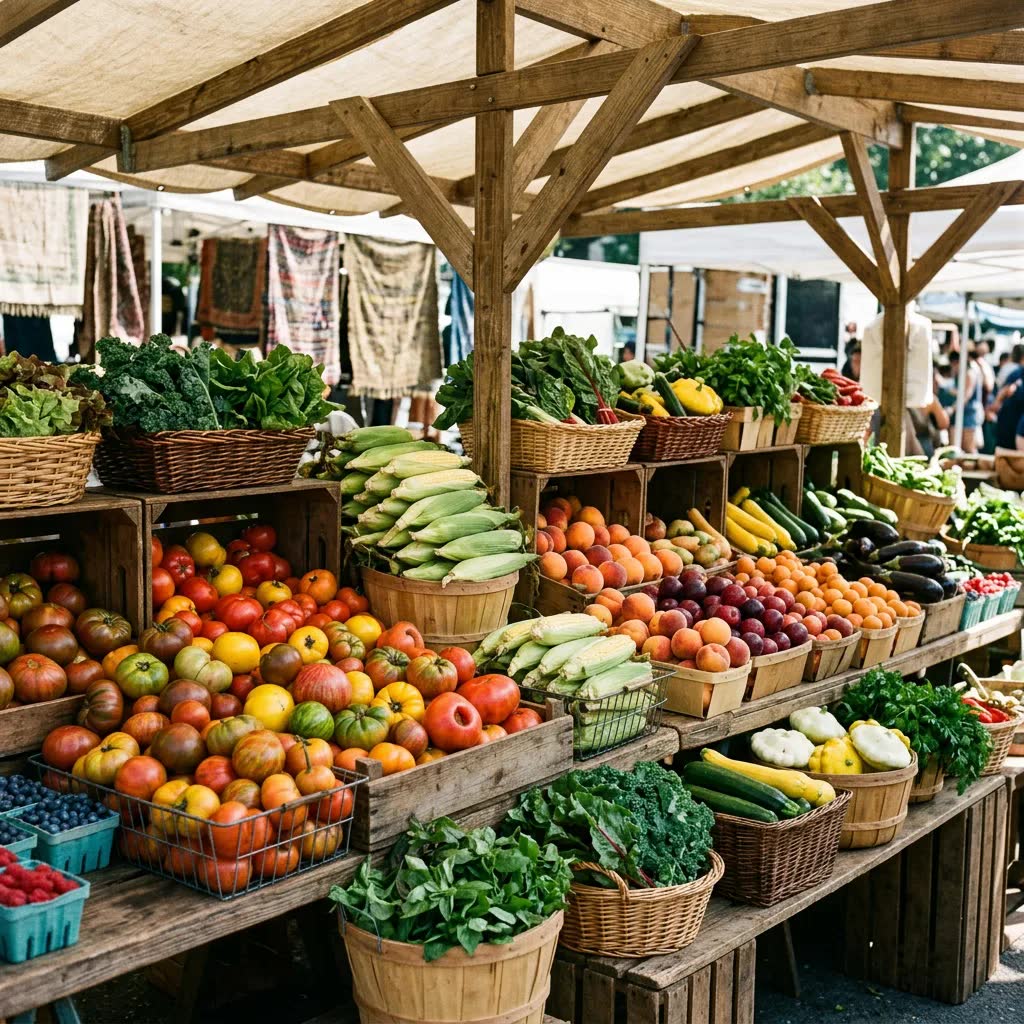
NEW YORK — For a few brief weeks each summer, the city's farmers markets hit a crescendo, and this is the moment: tables sagging under heirloom tomatoes in a dozen shades, towers of sweet corn, baskets of peaches and plums, and the first blushing berries of the season. At greenmarkets from Union Square to the borough parks, shoppers arrive early with tote bags and rolling carts, racing the crowds and the heat to snap up produce at its fleeting peak.
Farmers who make the pre-dawn drive from upstate and New Jersey say these weeks are both their busiest and their most rewarding, when months of labor finally ripen all at once. The abundance is dizzying, and it does not last. "Tomatoes like these have a window of maybe three weeks," said one grower who has sold at city markets for two decades. "People who know, come now. In a month they'll be asking where they went, and I'll tell them: you missed it."
The peak transforms the way the city's home cooks and chefs shop, sending them to market with open minds rather than fixed lists. Restaurant kitchens rewrite menus around whatever arrives, and home cooks find themselves improvising — a caprese salad one night, a batch of quick refrigerator pickles the next, a peach galette when the stone fruit gets too ripe to eat out of hand. The glut invites a kind of joyful, slightly frantic creativity.
Market managers say the summer weeks also draw newcomers who might otherwise never visit, lured by the sheer color and smell of the stalls. Cooking demonstrations, kids' scavenger hunts, and chef appearances turn the markets into weekend destinations, and vendors of honey, bread, cheese, and flowers ride the tomato crowd's coattails. "The tomatoes bring them in," one manager said, "and then they discover the whole market."
For all the abundance, the season carries an undertone of urgency that regulars savor. The produce is glorious precisely because it is temporary, tethered to a climate and a calendar rather than a supermarket's year-round sameness. "You eat with the season or you don't eat it at all," the grower said, weighing out a bag of tomatoes still warm from the sun. "That's what makes it taste like something. Scarcity is the seasoning."