Greenpoint Luthiers Are Crafting Instruments for a New Wave of Players
A concentration of young instrument makers in North Brooklyn is blending traditional techniques with sustainable materials to serve local musicians and collectors.
By Keisha Brown · March 28, 2026 · 4 min read
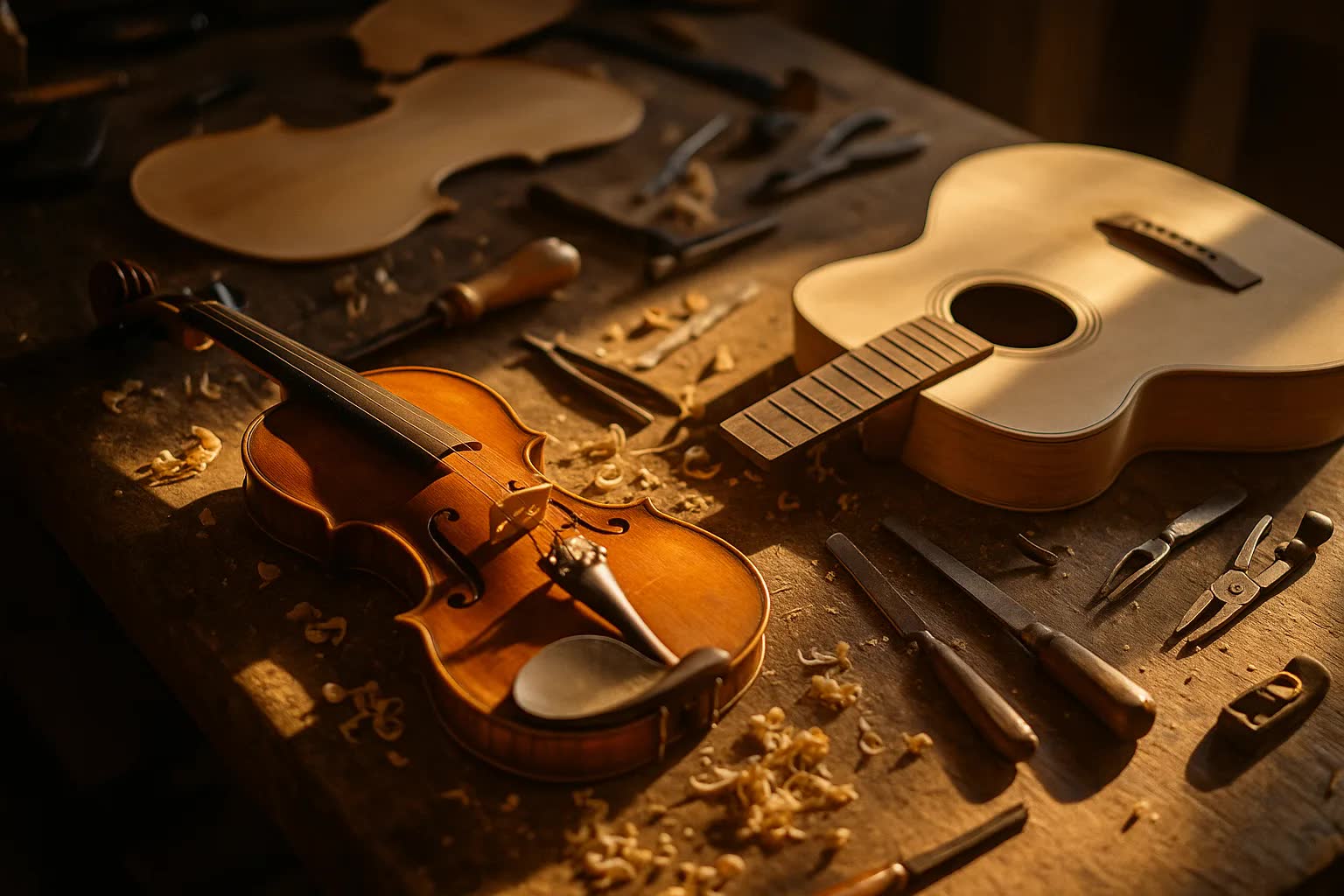
Greenpoint has long been known for its waterfront warehouses, Polish bakeries and a steady stream of creative newcomers; in the past five years it has quietly become one of New York’s most concentrated neighborhoods for a new generation of instrument makers who blend century-old luthiery techniques with modern, sustainable materials to serve players across Brooklyn and Manhattan.
On a narrow block off Manhattan Avenue, the storefronts of Harbor Stringworks, North Star Violins and Greenpoint Guitar Co. sit within hearing distance of McCarren Park’s weekend drum circles, an indication of how integrated the craft has become with local music life. Young makers have taken over former upholsterers’ shops and ground-floor spaces that once housed metal fabricators, trading in power hammers for hand planes and carving benches.
Lena Morales, 29, founder of Harbor Stringworks, said the convergence of affordable industrial space and a vibrant local music scene made Greenpoint irresistible. “I moved here because I could rent a 600-square-foot shop without taking on a second job, but I stayed because the musicians are right outside my door — indie bands, string quartets, high school teachers — they bring ideas and pay the rent,” she said, standing over a newly built archtop on a bench dusted with spruce shavings.
Marcus Chen, 34, a luthier apprentice at North Star Violins and a regular guitarist in nearby Williamsburg venues, described the workshop culture as collaborative rather than competitive. “We trade tips on varnish recipes and where to salvage timber from old piers,” said Chen, whose title is listed as apprentice and instrument designer. “It’s a circulation of skill and material that keeps prices realistic for working musicians.”
The makers here are explicit about materials: reclaimed oak and black locust from city tree removals, spruce salvaged from demolished piers, pallet mahogany refurbished and laminated for necks, and commercially certified sitka and maple for top-grade instruments. Several shops are experimenting with nonwood components — recycled carbon-fiber trusses, mycelium-based internal structures and vegetable oil–based finishes — to reduce reliance on endangered tropical hardwoods and toxic solvents.
Numbers underline the scale and ambition of the micro-industry: roughly 15 independent luthiers and small shops operate within a one-mile radius centered on Greenpoint Avenue and Franklin Street, producing an estimated 320 instruments per year combined; about 60 percent of those instruments use at least one form of reclaimed or recycled material, and prices for finished guitars and violins range from $800 for entry-level, locally tuned models to $15,000 for bespoke, collector-grade pieces.
Clients come from the neighborhood’s indie-rock bars on Bedford Avenue to classical ensembles in Brooklyn Heights and school music programs in the East River school district. Shop owners say about 70 percent of business originates from referrals within North Brooklyn, with the rest coming from Manhattan studios, collectors and occasional online sales to national buyers looking for sustainably made handwork. Repair work remains the bread-and-butter for many, a steady flow of setups, refrets and brittle-wood restorations.
A loose ecosystem has grown around the workshops: Saturday classes at the Greenpoint Music Collective teach basic setup and care; the North Brooklyn Tool Library lends specialized plans and clamps to novices; and small-batch wood suppliers like Pier 79 Salvage and Red Hook Reclaims deliver randomized lots of tonewood when available. “We’ve built a micro-economy that values scarcity in a different way,” said Dr. Eliza Hart, director of the Greenpoint Music Collective. “Scarcity means smart reuse and passing on skills to keep instruments playable for decades.”
Yet challenges persist. Rising commercial rents, stricter zoning enforcement and a limited supply of ethically sourced tonewoods create tension between ideals and sustainability. Makers say lead times for bespoke instruments can stretch six to nine months, a pressure point for working musicians who need reliable gear for tours and session dates. Some luthiers are pursuing formal sustainability certification and applying for modest grants through community arts funds, while others juggle teaching and part-time retail to make ends meet.
The cluster’s next phase looks outward as much as inward: organizers are planning a small instrument fair on Franklin Street later this year, a mentorship program that pairs established European-trained luthiers with Greenpoint apprentices, and a cooperative storefront where makers can pool display space and marketing. “I want this neighborhood to be known as a place where craft and conscience meet,” Morales said. “If we can keep spaces affordable and make the supply chain greener, we’ll build instruments — and a community — that last.”